
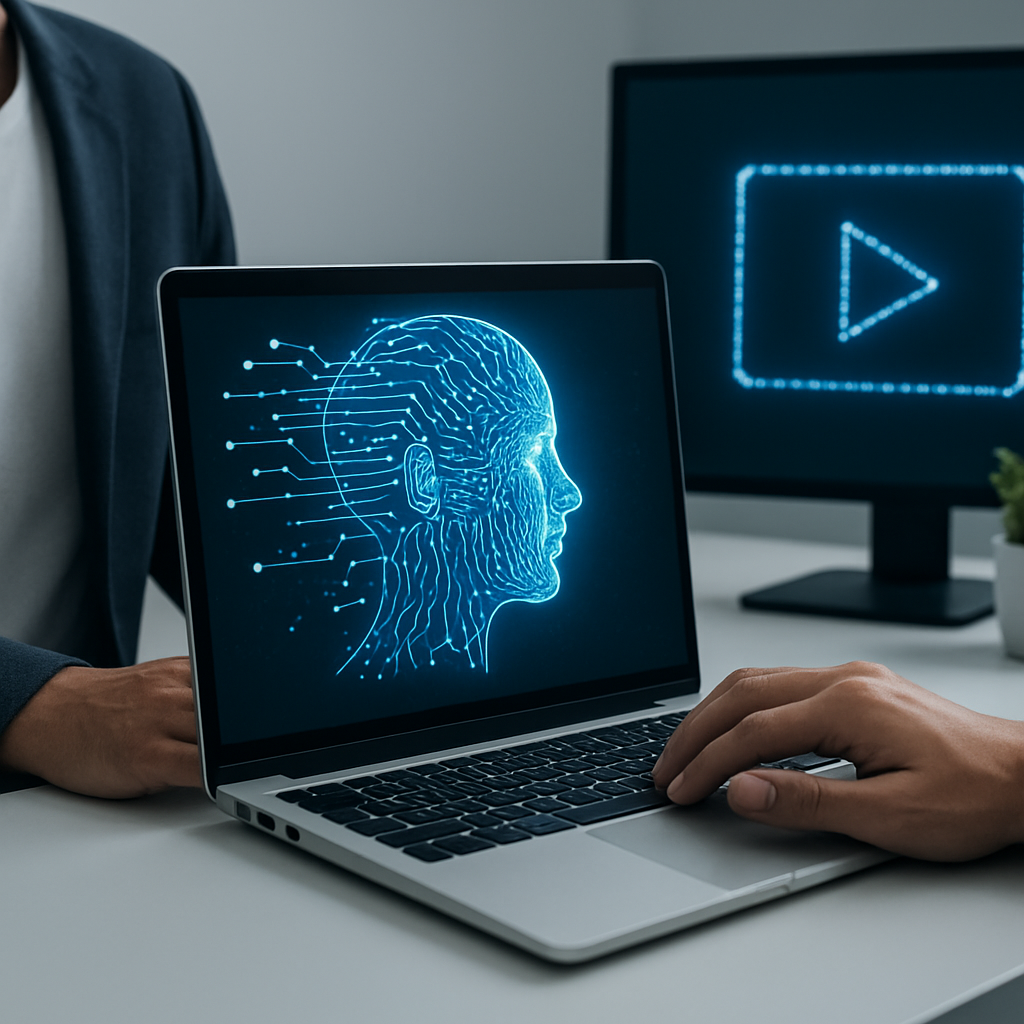
AI-Generated Content: Transforming Media and Entertainment
AI-generated content is rapidly evolving, with tools like Grok now venturing into the creation of full-length films. Recently, Grok released the first seven minutes of its AI-generated adaptation of “The Odyssey,” stirring discussions about the implications of generative AI in creative industries. In this post, we will explore the impact of AI in media and entertainment, focusing on the technical aspects of AI-generated content and its future potential.
What Is AI-Generated Content?
AI-generated content refers to any media produced by artificial intelligence algorithms, including text, images, and videos. This technology has gained traction in various sectors, particularly in media and entertainment, where companies like Grok are pioneering AI-generated films. As seen with Grok’s recent release, the use of AI in creative processes is reshaping how stories are told and presented.
Why This Matters Now
The rise of AI-generated content reflects broader trends in the entertainment industry, including a push for efficiency and cost reduction. Following Grok’s release of the first seven minutes of its AI-generated “Odyssey,” the implications for storytelling and audience engagement are profound. With generative AI, companies can produce content faster and at a lower cost, but this also raises questions about creativity, artistic integrity, and audience connection.
As Elon Musk’s Grok challenges traditional filmmaking paradigms, developers and creators need to understand the underlying technologies driving these advancements, including machine learning models and natural language processing.
Technical Deep Dive
AI-generated content leverages various machine learning techniques, primarily focusing on neural networks and training datasets. Here’s a breakdown of the process involved in creating AI-generated video content:
- Data Collection: Large datasets of existing media, including scripts, videos, and audio, are gathered to train the AI model.
- Model Selection: Various models, such as
GANs(Generative Adversarial Networks) andTransformers, are employed to generate video frames and dialogue. - Training: The AI is trained using the datasets, learning to generate new content that mimics the style and structure of the training material.
- Content Generation: Once trained, the AI can synthesize new scenes, dialogue, and even background music based on user inputs or predefined parameters.
- Post-processing: The generated content undergoes editing and refinement, often requiring human oversight to ensure quality control.
Here’s a simple example of how you might use a generative model in Python with transformers to create text for a script:
from transformers import pipeline

# Load a pre-trained model
script_generator = pipeline('text-generation', model='gpt-2')

# Generate a script
script = script_generator("In the land of Ithaca, Odysseus returns home to find", max_length=100)
print(script[0]['generated_text'])
This snippet illustrates how easy it is to generate creative content using AI. However, the challenge remains in ensuring that the generated content aligns with human expectations and artistic standards.
Real-World Applications
1. Film and Television Production
AI-generated content is revolutionizing how films and series are produced. Companies can expedite pre-production processes, such as scriptwriting and storyboarding, using AI tools that generate content based on existing narratives.
2. Video Game Development
Game developers are leveraging AI to create dynamic narratives and adaptive storytelling, where the game can adjust its storyline based on player choices and actions. This offers a more immersive experience and enhances replayability.
3. Marketing and Advertising
Brands are utilizing AI to generate personalized marketing content tailored to specific audience segments. This can include everything from social media posts to video advertisements, making campaigns more effective and engaging.
4. Education and Training
AI-generated content is being used to create educational materials and simulations, providing learners with interactive experiences that can adapt to their learning pace and style.
What This Means for Developers
For developers, the rise of AI-generated content signals a shift in the skill sets required for future roles in tech and media. Understanding machine learning frameworks, data management, and AI ethics will be crucial. Developers should consider:
- Learning frameworks like
TensorFlowandPyTorchfor building AI models. - Familiarizing themselves with natural language processing techniques to enhance text generation capabilities.
- Exploring the ethical implications of AI-generated content to ensure responsible use of technology.
💡 Pro Insight: As AI-generated content becomes more prevalent, we are likely to see a new wave of hybrid roles emerge, blending traditional creative skills with technical expertise. Developers who can navigate both realms will be invaluable in shaping the future of storytelling.
Future of AI-Generated Content (2025–2030)
Looking ahead, we can anticipate several trends shaping the future of AI-generated content:
In the next five years, the integration of AI in creative processes will deepen. We may see AI tools becoming standard for scriptwriting and storyboarding, allowing for quicker adaptations to audience feedback. The technology is expected to evolve in a way that enhances artistic quality while maintaining efficiency. Moreover, as generative AI becomes more capable, we may witness a new genre of entertainment that combines human creativity with AI-generated narratives, offering unique experiences that push the boundaries of storytelling.
Another prediction includes the introduction of AI-assisted editing tools that will allow creators to refine AI-generated content, ensuring it meets the artistic standards expected by audiences. This could lead to a more collaborative relationship between AI and human creators, fostering innovation in media and entertainment.
Challenges & Limitations
1. Quality Control
Ensuring that AI-generated content meets artistic and quality standards is a significant challenge. The reliance on AI could lead to content that feels formulaic or lacks emotional depth.
2. Ethical Implications
The use of AI in creative processes raises ethical questions regarding authorship and ownership of generated content. As AI becomes more integrated into storytelling, defining these boundaries will be crucial.
3. Audience Reception
There is a risk that audiences may reject AI-generated content if it fails to resonate on a human level. Understanding audience preferences will be essential for success.
4. Technical Limitations
Current AI models may struggle with complex narratives or nuanced character development, limiting their effectiveness in producing compelling stories.
Key Takeaways
- AI-generated content is transforming the media landscape, providing new opportunities for storytelling.
- Understanding the technical aspects of AI is crucial for developers in the media sector.
- Real-world applications span film production, gaming, marketing, and education.
- Future developments may lead to a more collaborative approach between AI and human creatives.
- Challenges around quality, ethics, and audience engagement remain critical considerations.
Frequently Asked Questions
What is AI-generated content? AI-generated content refers to any media created by AI algorithms, including text, images, and videos.
How does AI influence storytelling? AI can help generate narratives, adapt scripts, and create engaging content based on audience feedback.
What are the risks associated with AI-generated content? Risks include quality control issues, ethical implications regarding authorship, and potential audience rejection.
For more insights on AI and technology trends, follow KnowLatest for the latest updates and expert analyses.