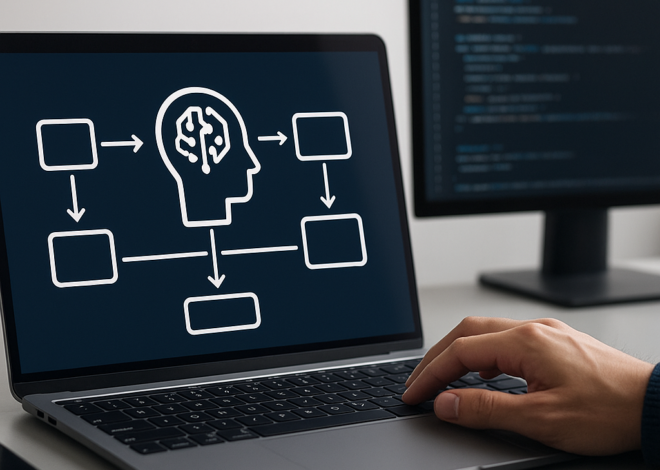
AI Guardrails Impacting Cybersecurity Research
AI guardrails refer to the restrictions and protocols implemented to limit the misuse of AI technologies, particularly in sensitive sectors like cybersecurity. Recently, discussions have emerged regarding how these guardrails are hindering the work of offensive cybersecurity researchers. This article will explore the implications of these limitations on cybersecurity practices and the balance between security and research freedom.
What Is AI Guardrails?
AI guardrails are safety mechanisms put in place to restrict the potential misuse of artificial intelligence technologies, particularly in areas such as cybersecurity, where the stakes are high. These protocols are intended to prevent AI systems from being used maliciously, but they also impact legitimate research efforts aimed at identifying vulnerabilities before they can be exploited by malicious actors.
Why This Matters Now
The rapid evolution of AI technologies has raised significant concerns about their potential misuse in cybersecurity. Recent events, such as the U.S. government’s export control restrictions on Anthropic’s AI models, highlight the tension between security and research freedom. Offensive cybersecurity researchers play a crucial role in identifying vulnerabilities, yet guardrails imposed by AI companies like OpenAI and Anthropic can restrict their ability to effectively conduct their work. This has led to a growing debate about the appropriateness of these restrictions, especially in a field where proactive measures are essential for preventing cyberattacks.
Technical Deep Dive
To understand the implications of AI guardrails on offensive cybersecurity research, it’s crucial to explore the technical mechanisms behind these limitations. AI models, such as Anthropic’s Mythos and OpenAI’s models, are designed with specific safety features that prevent them from being used for malicious purposes. However, these features can also hinder legitimate research efforts in the following ways:
- Prompt Limitations: Researchers often require AI to generate exploit code or analyze vulnerabilities. Guardrails that restrict such prompts can prevent researchers from confirming whether a vulnerability is real.
- Access Control: Programs like OpenAI’s Trusted Access for Cyber and Anthropic’s Cyber Verification Program provide vetted access to models with fewer restrictions. However, the vetting process can be cumbersome and deter researchers from utilizing these tools.
- Fallback to Open-Source Models: When faced with roadblocks due to guardrails, researchers may resort to open-source AI models that lack such restrictions, potentially increasing security risks.
# Example: Python code to analyze vulnerabilities
import requests

def check_vulnerability(url):
    response = requests.get(url)
    if "vulnerable" in response.text:
        return True
    return False

# Test a hypothetical vulnerable URL
url = "http://example.com/vulnerable"
print(check_vulnerability(url))
This simple Python script demonstrates how researchers might assess a web application’s vulnerability by searching for specific indicators in the response. However, the efficacy of such scripts can be limited by guardrails that restrict AI’s ability to assist in generating or analyzing exploits.
Real-World Applications
1. Vulnerability Assessment Tools
Many organizations rely on AI-driven tools for vulnerability assessments. For instance, tools like Burp Suite and OWASP ZAP can automate the detection of security flaws, but AI models could enhance their effectiveness by generating tailored attack vectors.
2. Threat Intelligence Gathering
AI can be instrumental in gathering and analyzing threat intelligence. Researchers can use AI models to sift through massive datasets to identify patterns that indicate emerging threats. However, guardrails can limit the depth of analysis.
3. Incident Response Automation
In the event of a cyber incident, AI can facilitate faster incident response through automation. However, the restrictions imposed by guardrails may prevent the development of more advanced automated responses that could mitigate threats more effectively.
What This Means for Developers
Developers working in cybersecurity need to be aware of the implications of AI guardrails on their work. Here are some actionable insights:
- Stay Informed: Keep abreast of changes in AI policies and understand how they impact your tools and methodologies.
- Utilize Open-Source Alternatives: Familiarize yourself with open-source AI models that offer greater flexibility for research purposes.
- Engage in Dialogue: Participate in discussions around AI regulations to advocate for a balanced approach that protects both security and research interests.
💡 Pro Insight: The challenge of balancing AI safety with research freedom is critical. As AI continues to evolve, cybersecurity researchers must advocate for frameworks that enable responsible exploration without compromising security. The future of cybersecurity may depend on finding this balance.
Future of AI Guardrails (2025–2030)
As AI technologies mature, the landscape of guardrails will likely evolve. By 2025, we may see a shift towards more adaptive guardrails that can differentiate between malicious and benign use cases more effectively. This could enable cybersecurity researchers to leverage AI tools without compromising safety.
Furthermore, the integration of ethical AI frameworks may become standard practice, promoting a responsible approach to AI deployment in cybersecurity. This evolution could facilitate a more collaborative environment where researchers and AI companies work together to address vulnerabilities without the current constraints.
Challenges & Limitations
1. Overly Restrictive Policies
While guardrails are crucial for preventing misuse, excessively restrictive policies may hinder legitimate research efforts, leading to a less secure environment overall.
2. Risk of Open-Source Models
As researchers turn to open-source AI models, the potential for misuse increases, raising ethical and security concerns.
3. Complexity of Vetting Processes
The bureaucratic nature of vetting processes for access to less-restricted models can slow down research and development, impacting timely responses to threats.
4. Balancing Act
Finding the right balance between security and research freedom is a persistent challenge, requiring ongoing dialogue between stakeholders in the cybersecurity community.
Key Takeaways
- AI guardrails are essential for preventing misuse but can hinder cybersecurity research.
- Vetting processes for AI models can create barriers for researchers seeking to conduct legitimate work.
- Open-source AI models may offer flexibility but come with increased risks.
- Developers should engage in discussions about AI regulations to advocate for balanced approaches.
- The future of AI guardrails may involve adaptive frameworks that better differentiate between good and bad uses.
Frequently Asked Questions
What are AI guardrails?
AI guardrails are restrictions and protocols implemented to prevent the misuse of AI technologies, particularly in sensitive areas like cybersecurity.
How do AI guardrails affect cybersecurity research?
AI guardrails can limit researchers’ ability to access tools needed for identifying and exploiting vulnerabilities, potentially hindering the development of effective defenses against cyber threats.
What are the alternatives to restricted AI models?
Researchers may turn to open-source AI models that lack strict guardrails, although this can introduce new security risks and ethical concerns.
For more insights on AI tools and their implications in cybersecurity, follow KnowLatest.