
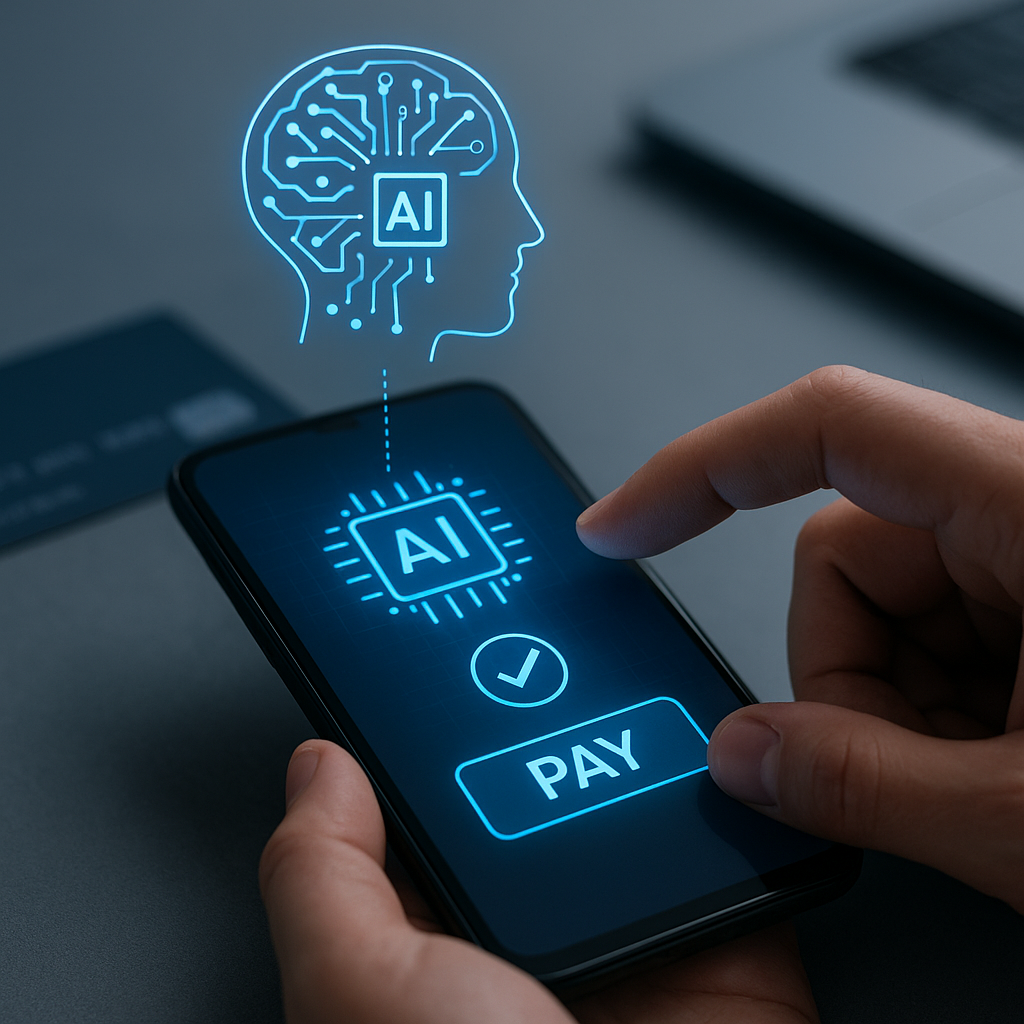
AI in Digital Payments: Transforming Transactions with Technology
AI in digital payments refers to the application of artificial intelligence technologies to enhance efficiency, security, and user experience within digital payment systems. Recently, Dilip Asbe, the Managing Director and CEO of the National Payments Corporation of India (NPCI), emphasized how AI can drive the next wave of growth in India’s digital payments landscape. This article will explore how AI is transforming digital payment systems, the technical mechanisms involved, and the implications for developers.
What Is AI in Digital Payments?
AI in digital payments refers to the use of machine learning algorithms, natural language processing, and other AI technologies to enhance the security, efficiency, and user experience in electronic transactions. With the rise of digital payment platforms like the Unified Payments Interface (UPI) in India, the integration of AI is becoming increasingly crucial to address challenges such as fraud detection and user onboarding.
Why This Matters Now
The importance of AI in digital payments has surged as UPI transactions in India have reached over 750 million daily, with aspirations to exceed a billion. According to Asbe, AI will not only drive user acquisition but will also play a pivotal role in fraud prevention and credit distribution. As competitive pressure mounts from various UPI apps, leveraging AI effectively can provide a significant edge in enhancing user experiences and operational efficiency.
- Fraud Detection: AI algorithms can analyze transaction patterns in real-time to flag anomalies.
- User Onboarding: AI-driven voice and multilingual solutions simplify the onboarding process.
- Data Insights: AI enables better data utilization for personalized services and credit offerings.
Technical Deep Dive
Integrating AI into digital payments involves several technical components and methodologies. Here’s a breakdown of the essential aspects:
1. Machine Learning Models
Machine learning models play a crucial role in identifying fraudulent transactions and predicting user behavior. Here’s an example of a simple fraud detection model using Python and scikit-learn:
from sklearn.model_selection import train_test_split
from sklearn.ensemble import RandomForestClassifier
from sklearn.metrics import classification_report

# Sample data
data = ...  # Load your dataset here
X = data.drop('label', axis=1)  # Features
y = data['label']  # Target variable (fraud/not fraud)

# Split the dataset
X_train, X_test, y_train, y_test = train_test_split(X, y, test_size=0.3, random_state=42)

# Initialize and train the model
model = RandomForestClassifier()
model.fit(X_train, y_train)

# Predictions
predictions = model.predict(X_test)

# Evaluation
print(classification_report(y_test, predictions))
2. Natural Language Processing
Natural language processing (NLP) is vital for creating voice-assisted payment systems. By utilizing frameworks like spaCy or NLTK, developers can build chatbots that assist users with transactions:
import spacy

# Load spaCy's English model
nlp = spacy.load("en_core_web_sm")

# Sample user query
user_input = "I want to transfer money to John."
doc = nlp(user_input)

# Extracting entities
for ent in doc.ents:
    print(ent.text, ent.label_)
3. Data Security
Robust data security measures are essential in AI-driven digital payments. Techniques such as tokenization and encryption should be implemented to secure sensitive information. Below is an example of using Fernet encryption:
from cryptography.fernet import Fernet

# Generate a key
key = Fernet.generate_key()
cipher = Fernet(key)

# Encrypting data
data = b"Sensitive transaction data"
encrypted_data = cipher.encrypt(data)

# Decrypting data
decrypted_data = cipher.decrypt(encrypted_data)
Real-World Applications
1. E-Commerce Platforms
E-commerce platforms can integrate AI for personalized customer experiences, fraud detection, and efficient payment gateways. Companies like Razorpay are already leveraging AI for agentic commerce.
2. Banking Services
Traditional banks can utilize AI models to assess creditworthiness in real-time, improving loan distribution and customer service through chatbots and virtual assistants.
3. Mobile Payment Apps
Mobile payment applications can enhance user onboarding and transaction processing by adopting voice recognition and multilingual support, making it accessible to a broader audience.
What This Means for Developers
As AI continues to evolve within digital payments, developers should focus on enhancing their skills in machine learning, data analytics, and natural language processing. Key areas to explore include:
- Implementing machine learning algorithms for fraud detection.
- Building voice-enabled payment systems using NLP technologies.
- Ensuring data security through encryption and tokenization techniques.
💡 Pro Insight: As the digital payments landscape evolves, developers adopting AI-driven methodologies will not only enhance transaction security but also unlock new revenue streams through personalized user experiences. The next few years will be pivotal for innovation in this sector.
Future of AI in Digital Payments (2025–2030)
Looking ahead to 2025-2030, the integration of AI into digital payments is expected to deepen. We will likely see:
- Increased Adoption: More digital payment platforms will adopt AI technologies to enhance user experience and security.
- Regulatory Frameworks: Governments will likely establish regulations around AI use in financial services to ensure consumer protection.
- Data Utilization: Companies will leverage large datasets to develop specialized AI models, catering to local market needs.
Challenges & Limitations
1. Data Privacy Concerns
With the collection of sensitive user data, maintaining privacy and compliance with regulations such as GDPR poses significant challenges for developers.
2. Model Bias
AI models trained on biased datasets can lead to unfair treatment in financial services, necessitating careful model evaluation and adjustment.
3. Integration Complexity
Integrating AI systems with existing payment infrastructures can be complex and resource-intensive, requiring skilled personnel and substantial investment.
Key Takeaways
- AI is set to revolutionize the digital payments sector by enhancing security and user experience.
- Machine learning and NLP are critical components in building AI-driven payment systems.
- Real-world applications of AI in digital payments include e-commerce, banking, and mobile payment platforms.
- Developers should focus on skills related to AI, data security, and regulatory compliance.
- Future trends indicate increased AI adoption and the need for robust regulatory frameworks.
Frequently Asked Questions
What role does AI play in digital payment security?
AI enhances digital payment security by identifying fraudulent transactions through pattern recognition and anomaly detection.
How can developers integrate AI into payment systems?
Developers can integrate AI by implementing machine learning models for fraud detection and utilizing natural language processing for user interactions.
What are the future trends in AI for digital payments?
Future trends include increased adoption of AI technologies, enhanced personalization, and the establishment of regulations to protect consumers.
For more insights on AI and developer news, follow KnowLatest for the latest updates.


