
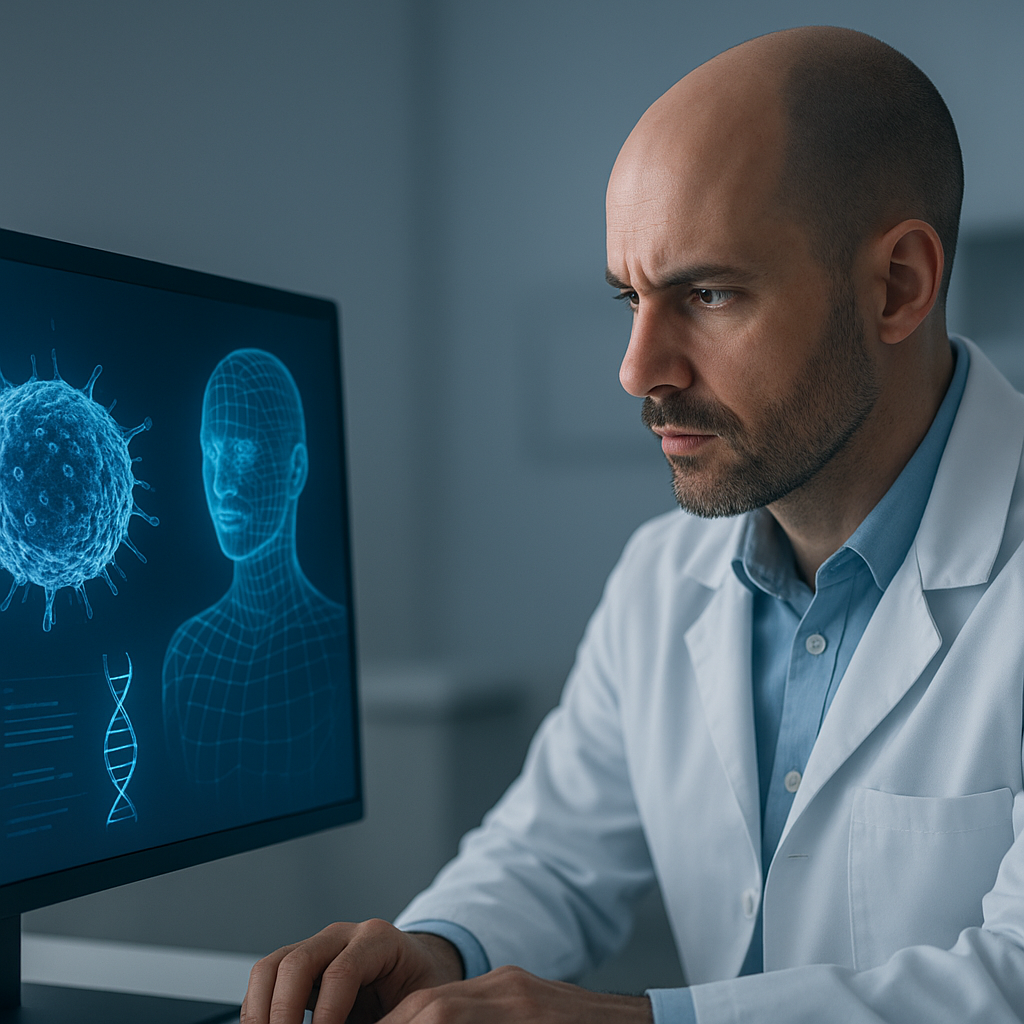
AI in Oncology: Transforming Cancer Treatment with Technology
AI in oncology refers to the application of artificial intelligence technologies in cancer diagnosis, treatment, and research. The recent discussions surrounding Reed Jobs and his venture firm, Yosemite, highlight the growing importance of AI in revolutionizing cancer therapies. In this article, we’ll explore how AI is reshaping the landscape of oncology and what developers can do to leverage these advancements.
What Is AI in Oncology?
AI in oncology refers to the use of machine learning and data analytics to improve cancer care and research. By streamlining processes such as drug discovery, patient diagnosis, and treatment planning, AI technologies are transforming how oncologists approach patient care. This shift is crucial as companies like Yosemite leverage AI to create innovative therapies and clinical trial designs, as noted by Reed Jobs in a recent interview.
Why This Matters Now
The intersection of AI and oncology is more relevant than ever due to several factors:
- Increased Investment: As seen with Yosemite’s recent funding efforts targeting $350 million, there is a surge in venture capital directed toward biotech firms focusing on cancer.
- Patent Expirations: A significant wave of blockbuster drugs is losing patent protection, opening doors for new treatments using innovative AI-driven methods.
- Post-Pandemic Growth: Biotech is rebounding post-pandemic, with renewed focus on developing effective cancer therapies.
Developers need to pay attention to these trends as they provide opportunities for building tools that integrate AI into oncology workflows.
Technical Deep Dive
AI’s impact on oncology spans various areas, from drug discovery to clinical trial optimization. Here are some key mechanisms:
1. AI in Drug Discovery
AI algorithms can analyze vast datasets to identify potential drug candidates. For instance, techniques like deep learning and reinforcement learning are employed to predict how compounds interact with biological targets.
import pandas as pd
from sklearn.model_selection import train_test_split
from sklearn.ensemble import RandomForestClassifier

# Load dataset
data = pd.read_csv('cancer_drug_data.csv')
X = data.drop('target', axis=1)  # Features
y = data['target']  # Target variable

# Split data into training and test sets
X_train, X_test, y_train, y_test = train_test_split(X, y, test_size=0.2)

# Initialize RandomForest Classifier
model = RandomForestClassifier()
model.fit(X_train, y_train)

# Evaluate model
accuracy = model.score(X_test, y_test)
print(f'Model Accuracy: {accuracy:.2f}')
2. Clinical Trial Optimization
AI can enhance the design and execution of clinical trials. By analyzing patient data, it can identify which populations are most likely to benefit from specific therapies, thus increasing trial efficiency.
3. Personalized Medicine
AI aids in tailoring treatment plans based on a patient’s genetic makeup. This approach, often termed precision medicine, ensures that therapies are more effective and have fewer side effects.
Real-World Applications
1. Azalea
This company, developed from a grant at Jennifer Doudna’s lab, is utilizing AI to streamline cancer treatment protocols and improve patient outcomes.
2. Quarry
Founded by Craig Crews, Quarry employs a novel therapeutic approach known as induced proximity, harnessing AI to optimize drug interactions within the body.
3. AI-Powered Diagnostics
Several platforms are now using AI algorithms to analyze pathology images, significantly increasing the speed and accuracy of cancer diagnoses.
What This Means for Developers
For developers, the rise of AI in oncology opens several avenues for skill enhancement and project development:
- Machine Learning: Familiarize yourself with machine learning frameworks such as TensorFlow and PyTorch to create predictive models for drug discovery.
- Data Analysis: Proficiency in data manipulation libraries like Pandas and NumPy can help in analyzing clinical trial data.
- Healthcare APIs: Understanding healthcare data standards (like FHIR) can facilitate the integration of AI solutions into existing healthcare systems.
💡 Pro Insight: The coming years will see AI redefine oncology not just by improving existing treatments but by creating entirely new methods of cancer care. Developers who can harness this technology will be at the forefront of a healthcare revolution.
Future of AI in Oncology (2025–2030)
As we look towards the next 3–5 years, AI’s role in oncology is expected to expand significantly:
- Enhanced Predictive Analytics: AI will increasingly enable the prediction of patient responses to treatments, paving the way for more personalized therapies.
- Automation in Drug Development: Expect to see more automated systems that can perform high-throughput screening and lead optimization at unprecedented speeds.
- Integration with Genomics: AI will work hand-in-hand with genomic data to identify novel therapeutic targets, leading to breakthroughs in cancer treatment.
Challenges & Limitations
1. Data Privacy Concerns
The handling of sensitive patient data raises significant ethical questions. Ensuring compliance with regulations like HIPAA remains a challenge.
2. Algorithmic Bias
AI systems can perpetuate existing biases in healthcare data, leading to inequitable treatment outcomes among different demographic groups.
3. Technical Complexity
Developing robust AI models requires sophisticated knowledge in both machine learning and oncology, which may limit accessibility for smaller firms.
4. Regulatory Hurdles
Regulatory agencies are still catching up with the rapid advancements in AI. This can slow down the implementation of AI solutions in clinical settings.
Key Takeaways
- AI in oncology is transforming cancer diagnosis and treatment methodologies.
- Investments in biotech focused on AI are rapidly increasing, presenting new opportunities for developers.
- AI can enhance drug discovery processes through predictive modeling and data analytics.
- Challenges such as data privacy and algorithmic bias must be addressed for equitable healthcare solutions.
- Developers should focus on gaining skills in machine learning and data analysis to stay relevant in this evolving field.
Frequently Asked Questions
What role does AI play in cancer research?
AI improves drug discovery, personalizes treatment plans, and optimizes clinical trial designs, making oncology research more efficient.
How can developers contribute to AI in oncology?
Developers can focus on machine learning, data analysis, and integration of AI solutions into healthcare systems to drive innovation in oncology.
What are the risks associated with AI in healthcare?
Risks include data privacy concerns, algorithmic bias, and the complexity of implementing AI solutions within regulatory frameworks.
For more insights into AI and developer news, follow KnowLatest.


