
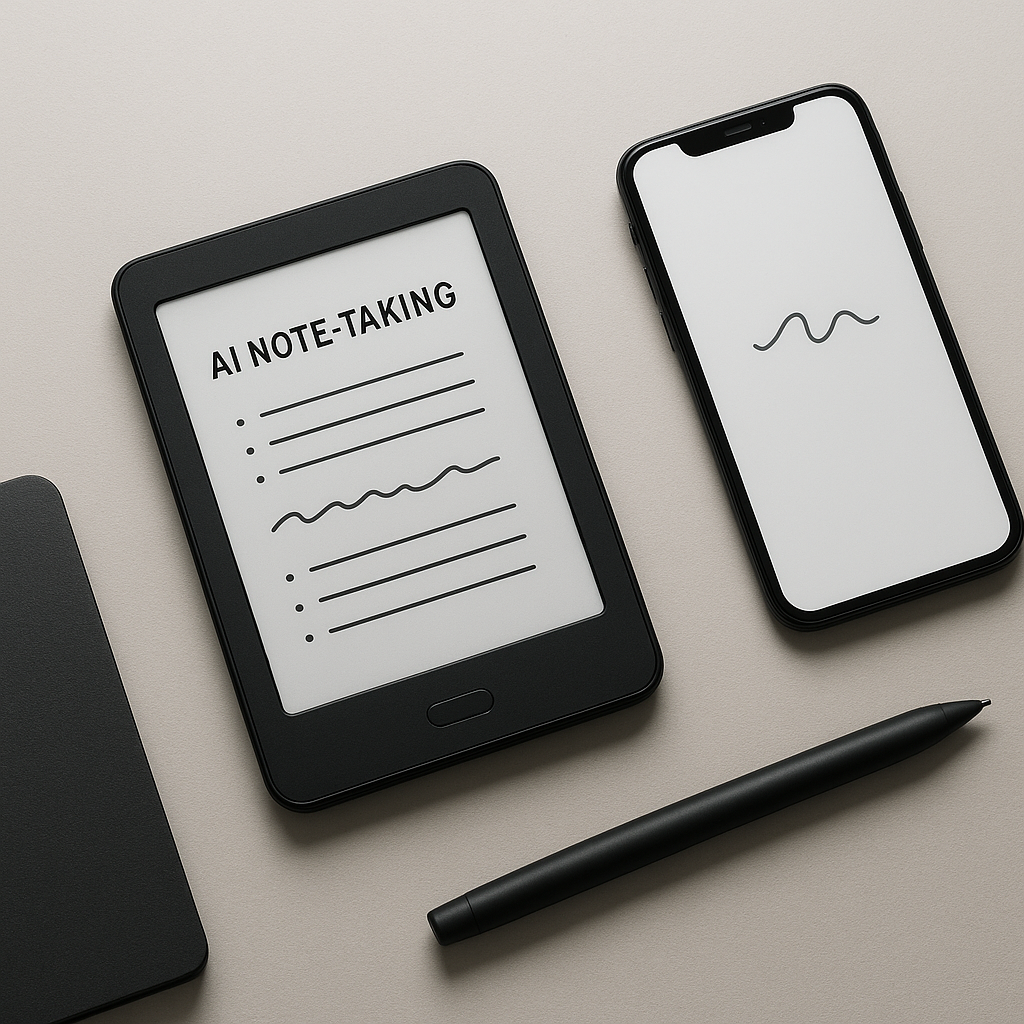
AI Note-Taking Devices: How Pocket is Innovating the Market
AI note-taking devices refer to specialized tools designed to record, transcribe, and manage notes using artificial intelligence. Recently, Pocket raised $11 million to further its venture in this space, indicating a strong market demand for such technology. In this article, we’ll explore the current landscape of AI note-taking devices, their technical workings, and how developers can leverage these tools for enhanced productivity.
What Is AI Note-Taking Devices?
AI note-taking devices are electronic tools that utilize artificial intelligence to enhance the process of recording and managing notes. These devices can capture audio, transcribe conversations, and organize information seamlessly, helping users save time and maintain focus during meetings. With the recent investment in Pocket, a company offering a compact AI note-taking device, the potential for these technologies is gaining recognition.
Why This Matters Now
The rising demand for AI note-taking devices is driven by a growing need for efficient information management in various professional sectors. As organizations pivot toward remote and hybrid work environments, the ability to capture and manage insights from meetings has become paramount. The Pocket device, which attaches to your phone and offers unlimited recordings and transcriptions without a subscription, exemplifies the innovation occurring in this market. Secondary keywords such as “AI transcription tools” and “meeting productivity” reflect the trends influencing this technology’s relevance.
Technical Deep Dive
The Pocket device is designed for ease of use and functionality. It features a credit card-sized puck that adheres to the back of a smartphone. Here’s how it works:
- Attach the Pocket puck to your smartphone.
- Activate the recording feature during meetings or conversations.
- The device records audio and transcribes it in real-time.
- Users can access the transcriptions through a mobile app, which also offers features such as summarization and mind mapping.
In terms of architecture, the device integrates with various applications including Google Calendar, OneDrive, and Obsidian. This integration allows for a streamlined workflow, enabling users to automate tasks like drafting emails and updating CRMs directly from recorded content. The device also employs a Model Context Protocol (MCP) server to connect its AI assistant to external databases, enhancing its capabilities.
| Feature | Competitors | |
|---|---|---|
| Price | $129 | Varies ($150+) |
| Unlimited Recordings | Yes | No |
| Subscription Model | No | Yes ($200/year) |
| Integration with Apps | Yes | Limited |
Real-World Applications
1. Legal Professionals
Lawyers can use the Pocket device to capture court proceedings and client meetings, ensuring accurate documentation without the distraction of note-taking.
2. Sales Teams
Sales professionals can record client calls and transcribe them for better follow-ups, reducing the risk of missed information that could affect deal closures.
3. Healthcare Providers
Doctors can utilize the device in consultations to ensure that patient information is accurately recorded, allowing them to focus on the patient’s needs rather than taking notes.
4. Students
Students can benefit from using the device in lectures, allowing them to capture detailed information without losing focus on the lecture itself.
What This Means for Developers
Developers looking to integrate AI note-taking capabilities into their applications should focus on building APIs that can leverage transcription and summarization services. Understanding how to connect devices like Pocket to various applications will be critical. Skills in machine learning and natural language processing will also be beneficial for developing custom features that enhance the user experience.
💡 Pro Insight: The future of AI note-taking devices lies in their ability to integrate seamlessly into existing workflows. As companies like Pocket innovate, developers must prioritize compatibility with popular tools to capture the attention of users who seek efficiency in their daily tasks.
Future of AI Note-Taking Devices (2025–2030)
As AI technology continues to evolve, we can expect to see significant advancements in the capabilities of note-taking devices. By 2025, enhanced machine learning algorithms will likely lead to even more accurate transcriptions and smarter summarization features. Furthermore, the integration of augmented reality (AR) and virtual reality (VR) could open new avenues for interaction, allowing users to visualize their notes in immersive environments.
By 2030, we may also see a shift towards fully autonomous note-taking systems capable of generating actionable insights and recommendations based on user interactions. This trend will redefine how professionals manage information, making AI note-taking devices indispensable tools across various industries.
Challenges & Limitations
1. Market Competition
With numerous companies entering the AI note-taking space, standing out becomes increasingly difficult. Developers must innovate continuously to maintain a competitive edge.
2. User Privacy
As devices record sensitive information, ensuring user privacy and data security is paramount. Developers need to implement robust security measures to protect recorded data.
3. Integration Complexity
Integrating AI note-taking devices with existing systems can pose challenges. Developers must ensure that compatibility issues are addressed to maximize utility.
4. Dependence on Technology
Reliance on AI note-taking tools may lead to a decline in traditional note-taking skills. Balancing technology use with manual methods is essential for comprehensive learning.
Key Takeaways
- AI note-taking devices like Pocket enhance productivity by automating the recording and transcription processes.
- Integration with existing applications is vital for maximizing the utility of these devices.
- Developers must focus on machine learning and natural language processing to innovate in this space.
- Privacy and data security are critical considerations for AI note-taking tools.
- The future will likely see more immersive and autonomous features in note-taking devices.
Frequently Asked Questions
What are AI note-taking devices used for?
AI note-taking devices are used for recording and transcribing conversations, managing notes, and generating summaries, making them valuable tools for professionals and students alike.
How do AI note-taking devices work?
These devices use built-in microphones to capture audio, which is then processed by AI algorithms to transcribe and manage the information effectively.
Are there subscription fees for AI note-taking devices?
While some devices offer basic functionalities without a subscription, advanced features often require a yearly fee to unlock unlimited capabilities.
For more insights on AI technologies and developer tools, follow KnowLatest.


