
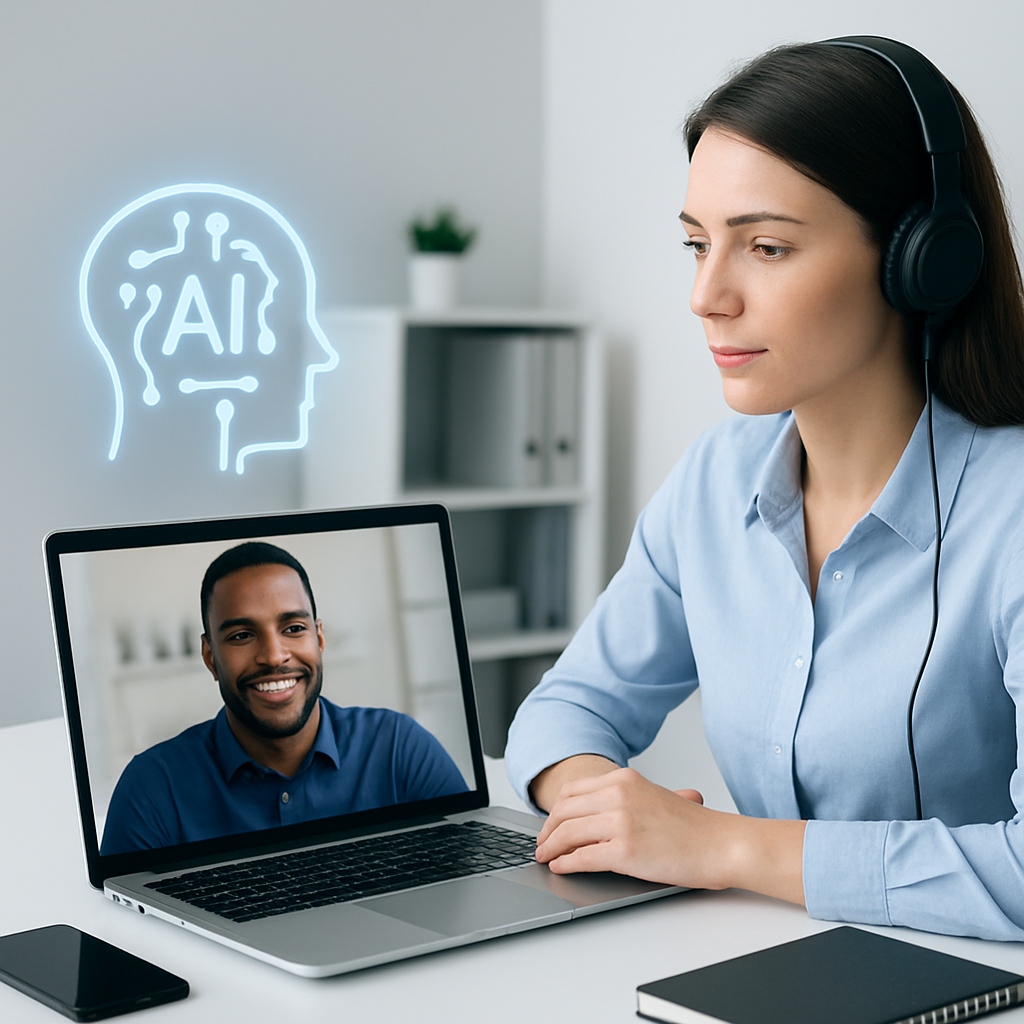
AI-Powered Hiring: Revolutionizing Recruitment Processes
Video-first hiring platforms are revolutionizing recruitment by integrating AI to enhance candidate evaluations. Fika Jobs, a startup based in Stockholm, has recently raised $4 million to develop a platform that leverages AI agents to conduct interviews with candidates via short-form video profiles. This article will explore the implications of AI-powered hiring solutions, their technical architecture, and what developers and AI practitioners need to know about this emerging trend.
What Is AI-Powered Hiring?
AI-powered hiring refers to the use of artificial intelligence technologies to streamline and enhance the recruitment process, allowing employers to assess candidates more efficiently. This approach involves AI agents conducting interviews and analyzing video profiles, thereby providing insights into candidates’ communication skills and cultural fit. The recent funding of Fika Jobs underscores the growing importance of this technology in modern hiring.
Why This Matters Now
The demand for innovative hiring solutions is increasing due to the inefficiencies and opacity of traditional recruitment processes. Candidates often feel lost in a black box where their resumes may not fully represent their skills. Platforms like Fika Jobs aim to address this by providing a more holistic view of candidates through video-first profiles. This shift is particularly relevant as companies are increasingly adopting AI technologies to optimize workflows, necessitating a deeper understanding of how AI can be integrated into recruitment. Additionally, the rise of remote work has created a need for flexible and accessible hiring methods, making AI-driven solutions more pertinent than ever.
Technical Deep Dive
Fika Jobs employs a sophisticated architecture that combines AI interview agents with video profiles. The platform utilizes Google’s Gemini models to analyze candidates’ responses and generate personalized interview questions based on their LinkedIn profiles. Here’s a breakdown of the technical workflow:
- Profile Linking: Candidates connect their LinkedIn profiles to the platform.
- AI Analysis: The AI reviews candidates’ backgrounds and generates custom interview questions.
- Video Interviews: Candidates participate in a 10-minute video interview with the AI agent.
- Profile Creation: The AI converts interview responses into short video clips, forming a dynamic candidate profile.
This process not only streamlines recruitment but also creates a live profile that employers can revisit as new opportunities arise. The algorithm behind this technology is designed to enhance personalization while minimizing unconscious bias by focusing on candidates’ communication skills rather than solely on their resumes.
Sample Code Snippet for Video Processing
import cv2

def process_video(video_path):
    """Process video to extract key segments for candidate profiles."""
    cap = cv2.VideoCapture(video_path)
    frames = []

    while cap.isOpened():
        ret, frame = cap.read()
        if not ret:
            break
        # Here you can add logic to analyze and segment video frames
        frames.append(frame)

    cap.release()
    return frames
The above code snippet demonstrates how to process video interviews, enabling the extraction of significant segments that can be included in candidate profiles.
Real-World Applications
1. Recruitment Agencies
Recruitment agencies can leverage AI-powered hiring platforms like Fika Jobs to streamline candidate evaluations, reducing the time spent on initial screenings.
2. Educational Institutions
Universities and colleges can use these platforms to assist students in showcasing their skills and personalities, especially for internships and entry-level positions.
3. Tech Startups
Tech startups can benefit from faster hiring processes, enabling them to fill essential roles quickly while focusing on cultural fit and communication abilities.
4. Remote Work Environments
In remote settings, video-first profiles enable candidates to present themselves effectively, helping employers gauge personality and fit beyond geographical limitations.
What This Means for Developers
Developers need to be aware of the implications of AI-driven hiring technologies. Skills in AI model training, natural language processing, and video processing will become increasingly important. Building systems that can analyze video data effectively is crucial, as is understanding ethical considerations around bias in AI algorithms. By integrating these skills, developers can contribute to the evolution of recruitment technologies.
💡 Pro Insight: As AI continues to evolve, the recruitment landscape will shift towards more personalized and engaging candidate experiences. The challenge lies in ensuring that these technologies remain unbiased and ethical, as they become integral to hiring practices.
Future of AI-Powered Hiring (2025–2030)
Looking ahead, AI-powered hiring solutions are expected to become more sophisticated, incorporating advanced machine learning algorithms to analyze not just resumes and interviews but also social media activity and other digital footprints. By 2030, we may see a fully integrated hiring ecosystem where AI not only evaluates skills but also predicts a candidate’s potential for growth within an organization.
Moreover, as ethical considerations in AI hiring become more pronounced, developers will need to focus on creating systems that prioritize fairness and transparency. This may lead to the establishment of industry-wide standards for AI recruitment technologies.
Challenges & Limitations
Bias in AI Algorithms
The use of video profiles poses risks of bias based on physical appearance, which may lead to discrimination. Developers must work diligently to mitigate these risks through fair AI practices.
Data Privacy Concerns
Storing and processing video data raises significant privacy issues. Companies must ensure compliance with data protection regulations to maintain trust.
Technical Limitations
Current AI models may struggle with accurately interpreting non-verbal cues, which are critical in interviews. Continuous improvement in AI capabilities is necessary.
User Adoption
Convincing employers and candidates to embrace this new system may be challenging. Effective user engagement strategies will be essential.
Key Takeaways
- AI-powered hiring platforms like Fika Jobs streamline recruitment through video-first profiles.
- Integrating AI technology can enhance candidate evaluations beyond traditional resumes.
- Developers should focus on skills related to AI ethics and video processing.
- The future of AI hiring includes predictive analytics and a stronger emphasis on fairness.
- Challenges such as bias and data privacy must be addressed to build trust in AI hiring systems.
Frequently Asked Questions
What is AI-powered hiring?
AI-powered hiring refers to the use of AI technologies to enhance recruitment processes, enabling employers to assess candidates more efficiently through video interviews and profiles.
How does Fika Jobs utilize AI in hiring?
Fika Jobs uses AI interview agents to conduct video interviews and analyze candidates’ responses, creating dynamic profiles that showcase communication skills and personality.
What are the risks of using video profiles in recruitment?
Video profiles can introduce biases based on appearance, which may lead to discrimination. Addressing these biases is crucial for ethical AI implementation in hiring.
For more insights and updates on AI and technology, follow KnowLatest.


