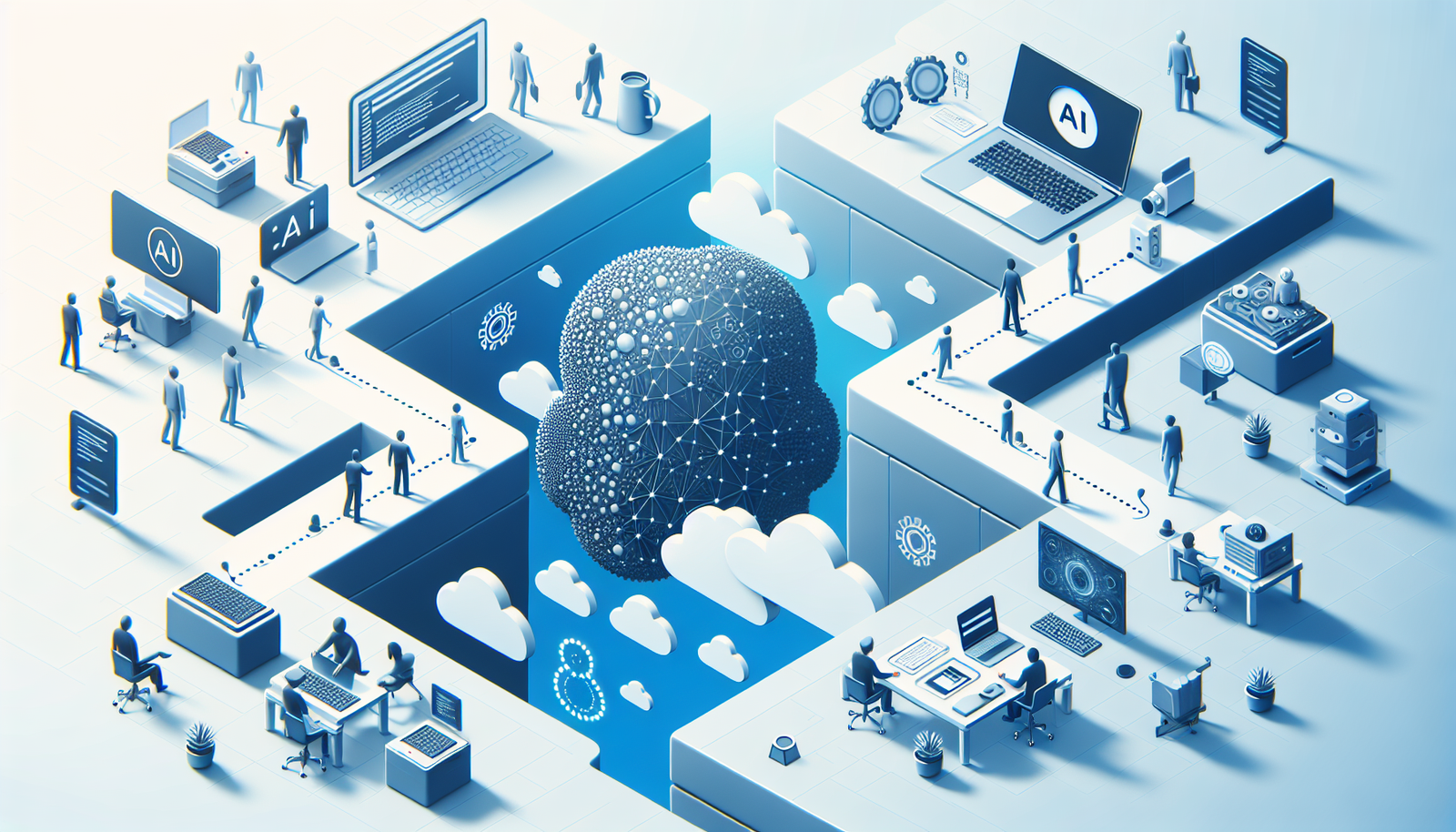
AI Skills Gap: Bridging the Divide for Developers
“`html
The AI skills gap refers to the growing disparity between adept users of artificial intelligence technologies and those who lack such proficiency. Recent research from Anthropic highlights that while AI isn’t yet causing widespread job displacement, it is contributing to increasing inequality among workers, particularly affecting entry-level roles. In this post, we will explore the implications of this skills gap for developers, the importance of AI literacy, and strategies to bridge this divide in the tech landscape.
What Is the AI Skills Gap?
The AI skills gap refers to the disparity in proficiency and effectiveness among users of AI technologies, particularly in contexts like work automation and productivity enhancement. This gap is critical as businesses increasingly adopt AI, which can lead to unequal advantages for those who can effectively leverage these tools. Current data from Anthropic indicates that while AI adoption is on the rise, many users are not fully utilizing its capabilities, leading to a significant divide in workplace performance.
Why This Matters Now
With AI technologies rapidly being integrated across various sectors, understanding the implications of the AI skills gap is crucial for developers and organizations alike. The research from Anthropic reveals that experienced users of AI models, like Claude, are seeing substantial benefits in productivity and efficiency, while newcomers struggle. This trend raises concerns about potential job displacement, especially for entry-level positions, and highlights the necessity for ongoing training and education in AI tools.
- Unequal Access to AI Literacy: Regions with higher knowledge worker concentrations tend to adopt AI more effectively.
- Entry-Level Job Vulnerability: Entry-level positions may face higher risks of displacement as AI capabilities evolve.
- Need for Continuous Learning: Developers must stay updated on AI advancements to remain competitive.
Technical Deep Dive
To understand the AI skills gap, it is essential to examine the technical landscape that defines it. The disparity is not merely about access to AI tools, but also about the ability to effectively integrate these tools into workflows. The following sections break down the key components contributing to this gap:
- AI Adoption Rates: Higher adoption rates in knowledge-intensive industries lead to an uneven playing field.
- Skill Utilization: Those who leverage AI for complex tasks gain a significant performance advantage.
- Continuous Improvement: Users who engage with AI as a “thought partner” for feedback and iteration outperform those who use it casually.
For developers, mastering tools like Claude requires understanding the underlying frameworks. Below is an example of how to implement a simple AI model using Python’s transformers library:
from transformers import pipeline

# Initialize the AI model
model = pipeline('text-generation', model='gpt-3.5-turbo')

# Generate text based on a prompt
prompt = "The future of AI in the workplace is"
result = model(prompt, max_length=50)

print(result[0]['generated_text'])
This code snippet showcases how developers can start integrating AI into their applications. By familiarizing themselves with such tools, they can effectively bridge the skills gap.
Real-World Applications
1. Technical Writing
Technical writers can leverage AI tools to enhance their documentation processes. Using AI for generating content drafts or providing feedback can significantly streamline their workflow.
2. Data Analysis
Data scientists can utilize AI to automate data cleaning and visualization processes, enabling them to focus on deeper analyses rather than mundane tasks.
3. Software Development
Developers can harness AI for code generation and debugging, allowing for faster and more efficient software creation.
What This Means for Developers
For developers, the implications of the AI skills gap are profound. As AI technologies evolve, the demand for professionals who can integrate AI effectively into their workflows will only grow. Here are some actionable recommendations:
- Invest in Learning: Continuous learning through courses and hands-on projects is essential to master AI tools.
- Engage in Community: Participate in forums and communities focused on AI to learn from peers and share knowledge.
- Experiment with AI: Integrate AI into personal projects to understand its capabilities and limitations.
💡 Pro Insight: As AI continues to evolve, developers who proactively enhance their skills will not only secure their current positions but also be at the forefront of shaping the future of work. Continuous education is key.
Future of the AI Skills Gap (2025–2030)
Looking ahead, the AI skills gap is likely to widen unless immediate action is taken. As companies increase their reliance on AI, we can expect:
- Increased Job Displacement: Entry-level positions may be more vulnerable to automation, creating a need for reskilling and upskilling initiatives.
- Greater Emphasis on AI Literacy: Organizations will prioritize AI training programs to ensure that all employees can leverage these tools effectively.
Moreover, disparities in AI adoption may lead to geographical inequalities, where regions with more resources could pull further ahead. Addressing this gap will require collaboration between industry leaders, educational institutions, and policymakers.
Challenges & Limitations
1. Resource Disparity
Not all organizations have the resources to invest in AI training, leading to imbalances in skill levels across sectors.
2. Knowledge Retention
As AI tools rapidly evolve, keeping skills current becomes a challenge. Continuous learning is necessary but can be resource-intensive.
3. Implementation Barriers
Many organizations face challenges in integrating AI into their existing workflows due to legacy systems and resistance to change.
Key Takeaways
- The AI skills gap is creating disparities in workplace productivity.
- Developers must prioritize continuous learning to stay competitive.
- AI literacy is becoming essential across all job roles.
- Organizations should invest in training programs to bridge the skills gap.
- Future job displacement remains a significant concern for entry-level roles.
Frequently Asked Questions
What is the AI skills gap?
The AI skills gap refers to the disparity between individuals who can effectively use AI technologies and those who cannot, impacting workplace productivity and job security.
How can developers bridge the AI skills gap?
Developers can bridge the AI skills gap by investing in continuous learning, engaging with AI communities, and applying AI tools in personal and professional projects.
What industries are most affected by the AI skills gap?
Industries with high knowledge worker concentrations, such as technology, finance, and healthcare, are most affected by the AI skills gap due to their reliance on AI for productivity enhancements.
For more insights on AI and developer news, follow KnowLatest.