AI Training Services: Enhancements and Developer Insights
“`html
AI training services refer to the specialized processes and methodologies involved in training and refining artificial intelligence models. Recently, Deccan AI has raised $25 million to enhance its offerings in this fragmented market, leveraging an India-based workforce of experts. In this post, we’ll explore the implications of this funding, the significance of AI training services, and what developers need to know to leverage these advancements effectively.
What Is AI Training Services?
AI training services encompass the set of processes that prepare machine learning models for real-world applications. This includes data labeling, model evaluation, and reinforcement learning, among other tasks. As the demand for high-quality AI models grows, companies are increasingly outsourcing these services to specialized firms like Deccan AI.
Why This Matters Now
The rapid expansion of large language models and AI technologies has made effective training services a critical need in the industry. With Deccan AI’s recent funding, it is positioned to meet this demand by utilizing a skilled workforce based in India, which enhances quality and reduces costs. This trend is particularly relevant as companies like Google DeepMind and Snowflake are seeking reliable partners to ensure their models perform optimally in production environments. Developers should care about these changes because they will influence the tools and methodologies available for AI development.
Technical Deep Dive
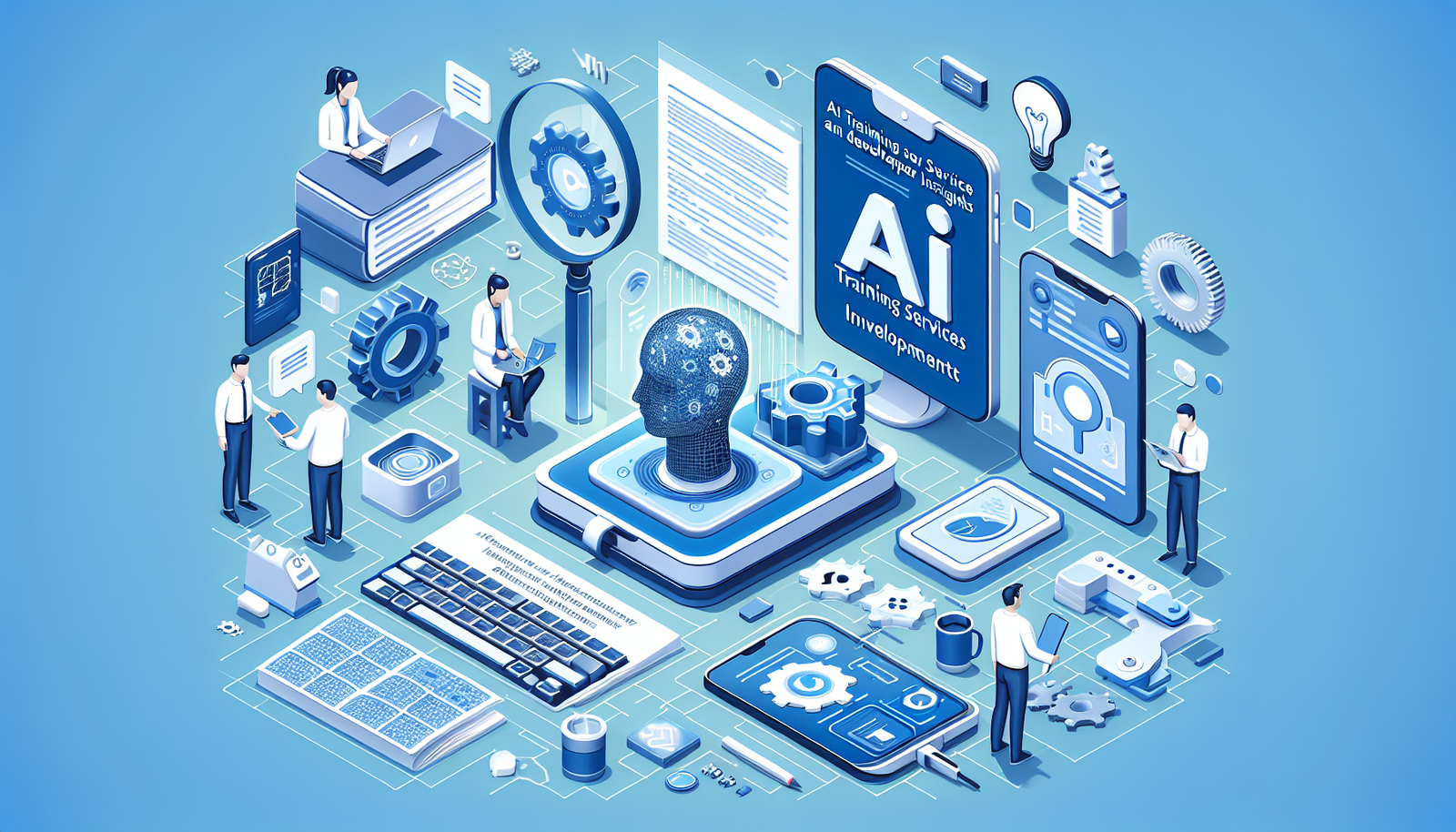
The architecture of AI training services involves several key components:
- Data Preparation: This is the initial step where raw data is curated and labeled to ensure high accuracy.
- Model Evaluation: Algorithms are tested against predefined metrics to assess their performance.
- Reinforcement Learning: Environments are created where models can learn from their actions.
Here’s a simple code snippet demonstrating how to evaluate a model using Python’s sklearn library:
from sklearn.model_selection import train_test_split
from sklearn.metrics import accuracy_score
from sklearn.ensemble import RandomForestClassifier

# Sample dataset
X, y = load_your_data()  # Replace with your data loading function

# Split data
X_train, X_test, y_train, y_test = train_test_split(X, y, test_size=0.3)

# Train the model
model = RandomForestClassifier()
model.fit(X_train, y_train)

# Predict and evaluate
predictions = model.predict(X_test)
accuracy = accuracy_score(y_test, predictions)

print(f'Model Accuracy: {accuracy:.2f}')  # Output model accuracy
Deccan AI employs a range of technologies that include machine learning frameworks and data management systems. They utilize a network of over 1 million contributors, including students and domain experts, to enhance the quality of their training services. This distributed workforce allows for rapid scaling and flexibility in project execution.
Real-World Applications
1. Natural Language Processing
Deccan AI assists firms in refining their chatbots and virtual assistants, ensuring that they understand and respond to user queries accurately.
2. Robotics
By developing “world models,” Deccan AI helps robotics companies create systems that can interact intelligently with their environments.
3. Financial Services
In finance, Deccan AI’s services support fraud detection models by ensuring they are trained on high-quality, labeled data.
What This Means for Developers
Developers should focus on integrating robust AI training methodologies into their projects. This includes:
- Leveraging cloud-based AI training services to reduce development time.
- Implementing rigorous evaluation metrics to ensure model accuracy.
- Staying informed on the latest tools and frameworks, particularly those that utilize reinforcement learning.
💡 Pro Insight: As the demand for high-quality AI models continues to surge, companies must prioritize partnerships with specialized training service providers like Deccan AI to maintain a competitive edge in the market.
Future of AI Training Services (2025–2030)
The landscape of AI training services is expected to evolve significantly over the next five years. With increasing complexity in AI models, the demand for specialized training services will grow. Companies will likely invest more in automation tools that streamline the data preparation and model evaluation processes.
Furthermore, as AI applications expand into new domains such as healthcare and autonomous vehicles, the need for precise and domain-specific training data will become critical. This trend will push firms to adopt more sophisticated methodologies to ensure reliability and performance.
Challenges & Limitations
1. Quality Control
Ensuring high-quality training data remains a significant challenge, as errors can severely impact model performance in production.
2. Scalability
As demand grows, scaling operations to meet tight deadlines while maintaining quality can be difficult.
3. Domain Expertise
Acquiring and retaining domain experts is essential but can be resource-intensive.
Key Takeaways
- AI training services are crucial for developing robust machine learning models.
- Deccan AI’s funding highlights the growing demand for specialized training services.
- Quality control in data preparation is paramount for successful AI deployment.
- Developers should leverage cloud-based solutions to enhance their AI training processes.
- The future of AI training services will involve increased automation and domain-specific methodologies.
Frequently Asked Questions
What are AI training services?
AI training services involve processes that prepare machine learning models for real-world applications, including data labeling and model evaluation.
Why are training services crucial for AI development?
They ensure that AI models perform accurately and reliably in production environments, which is essential for user trust and application success.
How can developers leverage AI training services?
By integrating specialized training methodologies and tools to enhance model performance and reduce development time.
For more insights on the latest in AI and development, follow KnowLatest.
“`