Data Centers: Midterm Issues and Community Concerns
Data centers are facilities that house computer systems and associated components, such as telecommunications and storage systems. Recent discussions surrounding the midterm elections in Brooklyn highlighted how data centers have become contentious issues affecting local communities and politics. In this article, we will explore the implications of data center developments, especially in relation to AI and community concerns.
What Is Data Centers?
Data centers refer to specialized facilities used to house computer systems and associated components, which include storage systems and telecommunications infrastructure. They are essential for managing data, running applications, and providing cloud services. Currently, the relevance of data centers is heightened as they face increasing scrutiny and opposition from local communities, especially in light of recent political discussions.
Why This Matters Now
The conversation around data centers is crucial today due to rising political and community opposition, particularly in areas like Brooklyn. As elections approach, candidates are addressing the potential repercussions of unchecked data center expansion. This scrutiny is not merely political posturing; it reflects genuine concerns about environmental impact and local governance. For developers, understanding these dynamics is critical, as they highlight the need for transparency and community engagement in technology deployment.
Technical Deep Dive
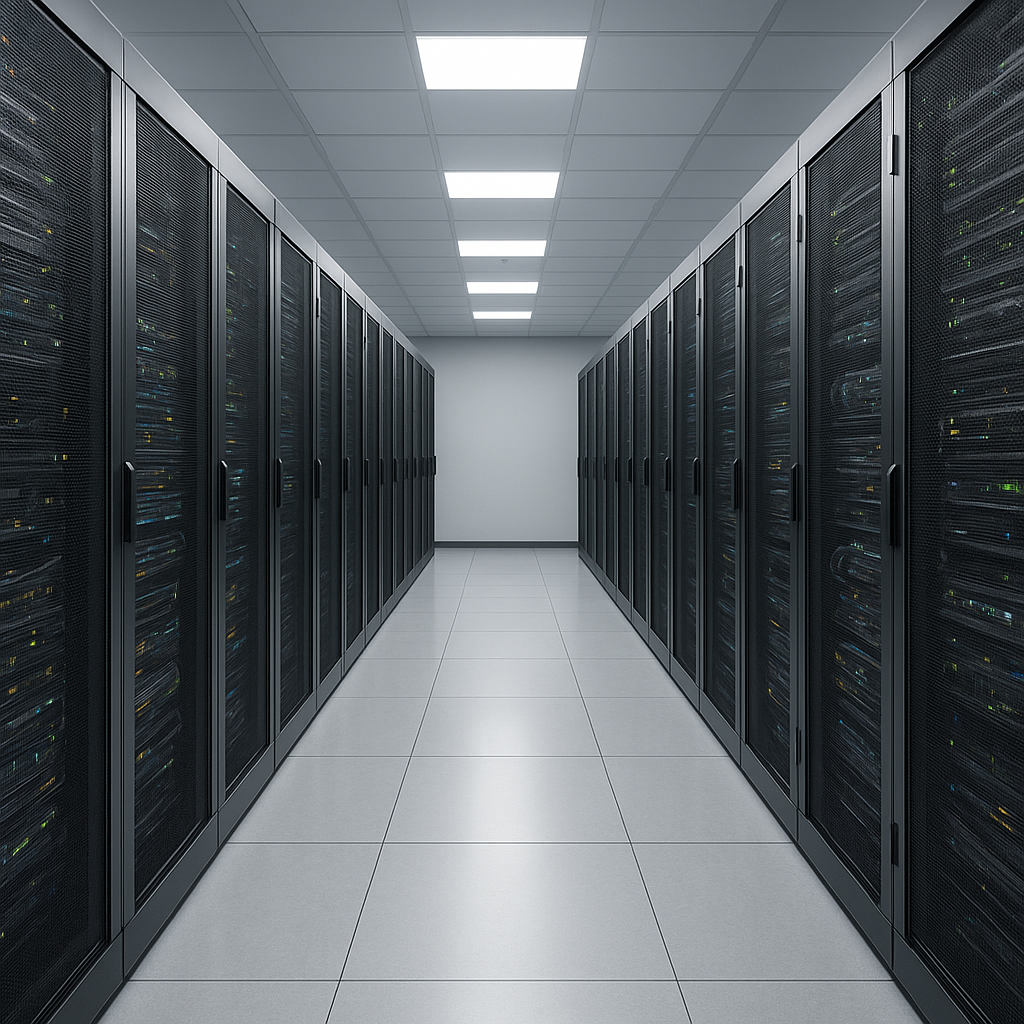
Data centers operate on a complex infrastructure of servers, networking hardware, and cooling systems. The architecture of a typical data center includes:
- Server Racks: These are rows of servers that store and process data. Standard racks are usually 42U high, with each U representing 1.75 inches.
- Networking Equipment: Switches, routers, and firewalls facilitate communication between servers and external networks.
- Power Supply Units (PSUs): These provide the necessary power to keep servers running, often backed up by Uninterruptible Power Supplies (UPS) to prevent downtime.
- Cooling Systems: Data centers generate significant heat, necessitating sophisticated cooling solutions to maintain optimal operating temperatures.
- Security Measures: Physical security (fencing, surveillance) and cybersecurity protocols are essential to protect sensitive data.
As data centers evolve, newer technologies are being integrated to enhance efficiency and sustainability:
import pandas as pd

# Sample data for energy consumption
data = {
    'Data Center': ['DC1', 'DC2', 'DC3'],
    'Energy Consumption (kWh)': [50000, 60000, 70000],
    'Renewable Energy Use (%)': [20, 30, 40]
}

df = pd.DataFrame(data)
print(df)
This Python code snippet illustrates how developers can analyze energy consumption in data centers using the Pandas library.
Real-World Applications
1. Financial Services
In financial services, data centers are critical for processing transactions securely and efficiently. Companies like Goldman Sachs utilize advanced data center architectures to support low-latency trading systems.
2. E-commerce
Major e-commerce platforms such as Amazon and eBay rely heavily on data centers to manage vast inventories and customer transactions. Their infrastructure supports scalability during peak shopping seasons.
3. Healthcare
In the healthcare sector, data centers are essential for storing sensitive patient data securely. Compliance with regulations like HIPAA necessitates robust data management solutions.
4. Cloud Computing Services
Cloud providers such as Microsoft Azure and Google Cloud Platform leverage extensive data centers to deliver cloud services to millions of users seamlessly.
What This Means for Developers
Developers need to be aware of the implications of data center developments on their projects. Understanding local regulations and community sentiments is critical for successfully deploying technology solutions. Skills in data governance, sustainable practices, and community engagement are increasingly valuable as the conversation around data centers evolves.
💡 Pro Insight: The future of data centers will hinge on their ability to adapt to societal expectations. Developers who integrate transparency and sustainability into their projects will be more successful in securing community support.
Future of Data Centers (2025–2030)
Looking ahead, data centers are expected to undergo significant transformation. By 2030, we can anticipate a shift towards greener technologies, driven by both regulatory requirements and community advocacy. Innovations in cooling technologies and energy efficiency will likely become standard practice, making data centers more environmentally friendly. Additionally, as AI continues to evolve, its integration into data center management systems will enhance operational efficiency and resource allocation.
Challenges & Limitations
1. Environmental Concerns
Data centers consume vast amounts of energy and water, leading to environmental degradation if not managed properly. Developers need to prioritize sustainable practices.
2. Regulatory Hurdles
As data centers face increasing scrutiny, navigating local regulations can become complex. Developers must stay informed about legislative changes that may impact their operations.
3. Community Opposition
Local communities may resist data center projects due to fears of noise, traffic, and environmental impact. Engaging with stakeholders early in the development process can mitigate these issues.
4. Cybersecurity Risks
With the growing importance of data centers comes the risk of cyberattacks. Developers must implement robust security measures to protect sensitive information.
Key Takeaways
- Data centers are critical for modern data management and cloud services.
- Community sentiment and political factors are increasingly influencing data center development.
- Developers must prioritize sustainable practices to meet regulatory requirements.
- Future data centers will leverage AI and advanced technologies for better efficiency.
- Understanding local regulations and community concerns is essential for successful project deployment.
Frequently Asked Questions
What is the main function of a data center?
A data center’s main function is to house computer systems and related components, including storage and telecommunications systems, to manage data and applications efficiently.
How do data centers impact local communities?
Data centers can impact local communities through increased traffic, noise, and environmental concerns, leading to community opposition to new developments.
What are the environmental concerns associated with data centers?
Data centers consume significant amounts of energy and water, which can lead to environmental degradation if not managed sustainably.
For more insights on AI and technology developments, follow KnowLatest.