
Unlocking Physical AI with Brain Wave Data Technology
Brain wave data refers to the electrical activity produced by the brain, measured through various sensors. Recently, companies like Encord and Zander Labs are exploring brain wave readings as a potential breakthrough for physical AI, which often struggles with real-world data scarcity. In this post, we will explore how brain wave data can enhance AI training and what implications it has for developers and robotics.
What Is Brain Wave Data?
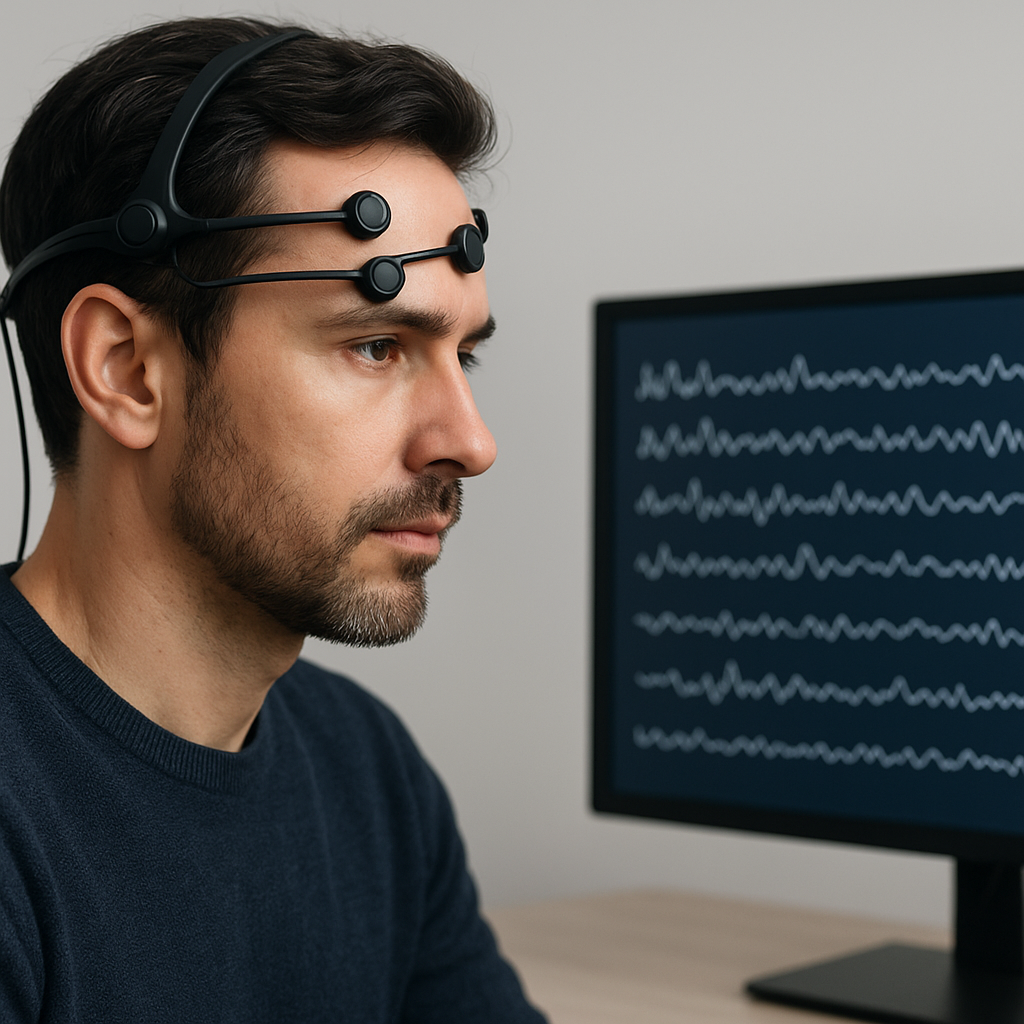
Brain wave data refers to the electrical impulses in the brain, typically measured using electroencephalography (EEG). This data provides insights into mental states such as attention, surprise, and error detection. The integration of brain wave data into AI models is gaining traction, especially as companies like Encord and Zander Labs experiment with this innovative approach to enhance physical AI training.
Why This Matters Now
The landscape of AI, particularly in robotics, is evolving rapidly, driven by an increasing demand for more sophisticated training data. Traditional methods using video data often lack the fidelity required for effective AI training. As Encord’s partnership with Zander Labs illustrates, the combination of brain wave readings with conventional data sources could significantly enhance the robustness of AI models. Developers should care about this trend because the scarcity of high-quality real-world data is becoming a bottleneck for robotic learning and manipulation tasks.
Technical Deep Dive
The integration of brain wave data into AI training involves several technical components. This process typically includes the following steps:
- Data Collection: Brain wave data is collected through headsets equipped with EEG sensors. For example, Encord uses headsets developed by Zander Labs to track brain activity while performing tasks.
- Data Annotation: The collected data is annotated to tag specific mental states, aiding model builders in understanding when to deploy high-effort models.
- Model Training: AI models are trained using a combination of traditional data sources (like video) and the newly tagged brain wave data. This hybrid approach aims to improve model accuracy and performance.
- Performance Evaluation: Once trained, the models are evaluated to determine the impact of brain wave data on their performance in real-world scenarios.
Here’s a sample configuration for setting up an EEG headset with Python, utilizing libraries like MNE for real-time data processing:
import mne

# Load EEG data from the headset
raw = mne.io.read_raw_eeglab('path_to_data.set')

# Filter the data
raw.filter(1., 40.)

# Extract brain wave features
features = raw[:, 0:5]  # First 5 channels
As the technology evolves, the combination of egocentric video data and brain wave readings could form the backbone of next-generation AI training methodologies.
Real-World Applications
1. Robotics Training
By using brain wave data, developers can create more nuanced training datasets for robotic systems, improving their ability to perform complex tasks in dynamic environments.
2. Human-Robot Interaction
Integrating brain wave data can enhance human-robot interaction by enabling robots to adjust their behavior based on the user’s mental state, leading to more intuitive interactions.
3. Autonomous Vehicles
In the realm of autonomous driving, brain wave data could provide insights into driver fatigue or distraction, allowing the vehicle’s AI to adapt its performance accordingly.
4. Healthcare Robotics
In healthcare, robots that assist patients could benefit from understanding the mental state of patients, leading to better care and improved outcomes during rehabilitation.
What This Means for Developers
Developers should consider the following implications of integrating brain wave data into their projects:
- Familiarity with EEG technology: Understanding how to leverage brain wave data will be crucial as it becomes more common in AI training.
- Data management skills: As the volume of data increases, robust data management and annotation skills will be vital.
- Interdisciplinary collaboration: Developers will need to collaborate with neuroscientists and psychologists to accurately interpret brain wave data.
- Ethical considerations: Developers must address ethical concerns related to privacy and consent when using brain wave data.
💡 Pro Insight: As the integration of brain wave data into AI training progresses, we can expect a paradigm shift in how robots learn from human interactions. This could lead to more adaptive and intelligent systems, fundamentally changing industries from healthcare to manufacturing.
Future of Brain Wave Data (2025–2030)
Over the next five years, brain wave data is poised to become a cornerstone of AI training methodologies. As companies like Encord continue to experiment with this technology, we may see a shift towards more personalized AI systems that can respond to human mental states in real-time. Furthermore, advancements in EEG technology will likely lead to more accurate and less intrusive data collection methods.
By 2030, we could witness fully autonomous systems capable of interpreting brain wave data to enhance their learning processes, potentially leading to breakthroughs in fields such as healthcare, autonomous vehicles, and even personal robotics.
Challenges & Limitations
1. Data Quality
The quality of brain wave data can vary significantly, impacting the effectiveness of the AI models trained on it. Poor data quality can lead to inaccurate conclusions and model performance.
2. Ethical Concerns
The use of brain wave data raises ethical questions regarding privacy and consent. Developers must navigate these issues carefully to avoid potential legal repercussions.
3. Integration Complexity
Integrating brain wave data with existing training frameworks can be complex and may require significant adjustments to current methodologies.
4. Scalability Issues
Collecting and processing large-scale brain wave data can be resource-intensive, posing challenges for widespread adoption in various industries.
Key Takeaways
- Brain wave data is an emerging tool for enhancing physical AI training.
- Combining brain wave data with traditional data sources can significantly improve robotic performance.
- Developers must adapt their skill sets to include EEG technology and data management.
- Ethical considerations are paramount when working with sensitive brain wave data.
- The future of AI may involve fully autonomous systems that can interpret human mental states.
Frequently Asked Questions
What are brain waves used for in AI?
Brain waves are used in AI to enhance training datasets by providing insights into mental states, which can improve model accuracy and performance in robotics and other applications.
How is brain wave data collected?
Brain wave data is typically collected using EEG headsets that measure electrical activity in the brain during specific tasks or interactions.
What are the ethical implications of using brain wave data?
The ethical implications include concerns about privacy, consent, and potential misuse of sensitive data, requiring developers to approach this technology cautiously.
For more insights on AI advancements and developer tools, follow KnowLatest for the latest updates.


