AI Compute Campuses: The Future of Data Centers
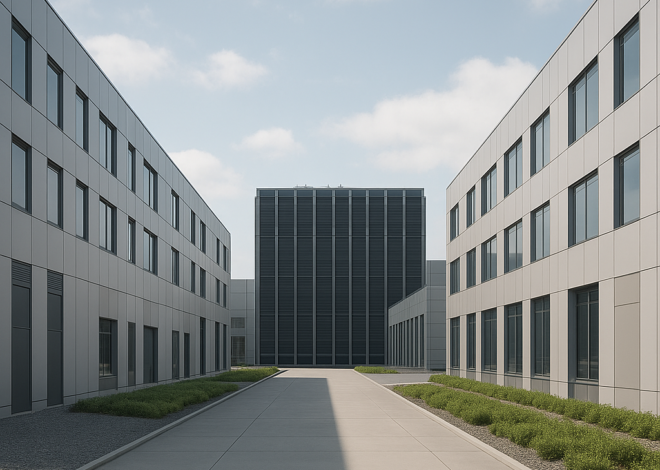
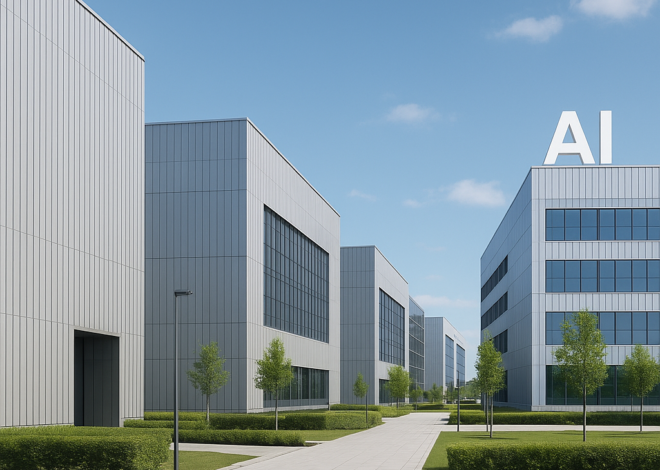
AI compute campuses refer to data centers that are specifically designed to support artificial intelligence workloads. OpenAI’s recent proposal to rebrand its data centers highlights a shift in perception surrounding these facilities, aiming to better align with the transformative potential of AI. In this article, we will explore the implications of this rebranding, its technical significance, and what it means for developers and practitioners in the AI field.
What Is AI Compute Campus?
AI compute campuses refer to specialized data centers designed to handle the unique demands of artificial intelligence applications. These facilities are optimized for high-performance computing, storage, and data management, enabling organizations to deploy AI models efficiently. The recent proposal by OpenAI to rebrand data centers as AI compute campuses stems from an effort to reshape public perception and highlight their role in driving innovation in AI technologies.
Why This Matters Now
The conversation around data centers has gained traction due to increasing scrutiny over environmental impacts and community relations. OpenAI’s initiative aligns with broader industry trends focusing on sustainability and transparency. As the demand for AI capabilities surges, rebranding to AI compute campuses can help demystify these facilities, positioning them as vital components in advancing AI technology. This shift is particularly relevant as discussions around AI governance and ethical use gain prominence, prompting developers to consider how their infrastructures align with societal expectations.
Technical Deep Dive
AI compute campuses differ from traditional data centers in several key ways:
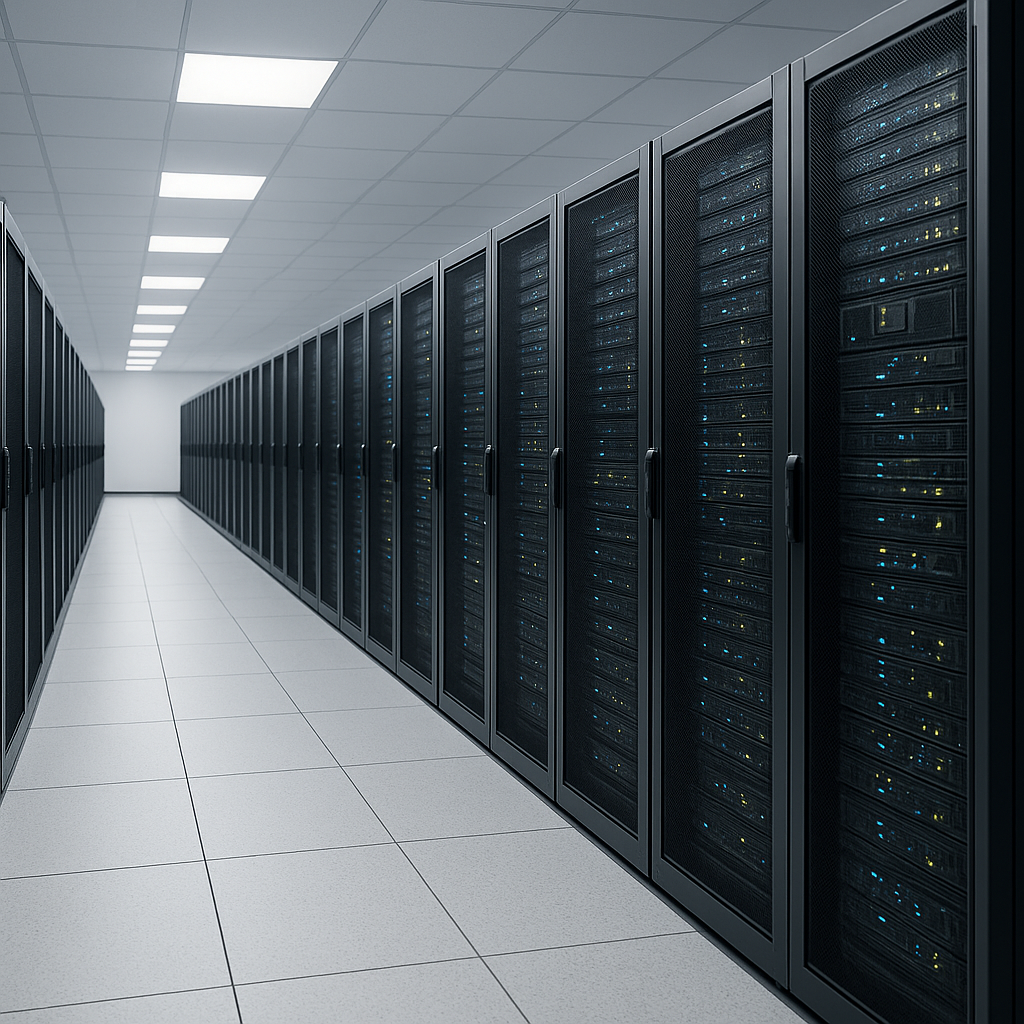
- High-Density Computing: Equipped with GPUs and TPUs, these campuses support the extensive computational needs of AI workloads.
- Optimized Networking: High-speed interconnections facilitate rapid data transfer, essential for training large AI models.
- Advanced Cooling Systems: Specialized cooling solutions are implemented to manage the heat generated by high-performance equipment.
- Energy Efficiency: Implementing renewable energy sources and efficient power usage metrics reduces the environmental footprint.
To optimize an AI compute campus, consider the following steps:
- Assess the computational requirements of your AI models.
- Choose hardware that balances performance and energy efficiency.
- Implement scalable storage solutions to handle large datasets.
- Design a network architecture that minimizes latency.
- Consider utilizing cloud solutions in conjunction with on-premises hardware for flexibility.
Here’s a brief table comparing traditional data centers with AI compute campuses:
| Feature | Traditional Data Center | AI Compute Campus |
|---|---|---|
| Hardware | General-purpose servers | GPUs and TPUs optimized for AI |
| Networking | Standard networking | High-speed, low-latency networking |
| Cooling | Standard cooling systems | Advanced, efficient cooling systems |
| Sustainability | Limited environmental focus | Emphasis on renewable energy |
Real-World Applications
Healthcare
AI compute campuses can drive advancements in medical imaging and diagnostics. By leveraging high-performance computing, healthcare providers can analyze vast datasets to improve patient outcomes.
Finance
In the financial sector, AI compute campuses facilitate real-time fraud detection and risk assessment, allowing institutions to respond swiftly to potential threats.
Autonomous Vehicles
Companies developing self-driving technology require extensive computational resources for simulation and testing. AI compute campuses provide the necessary infrastructure to handle these demands.
Smart Cities
AI compute campuses enable the development of smart city technologies, such as traffic management systems and energy-efficient infrastructures, that rely on real-time data processing.
What This Means for Developers
As AI compute campuses emerge, developers must adapt to new architectures and workflows. This shift encourages a focus on:
- Learning about distributed computing frameworks like
Apache SparkandTensorFlow. - Understanding the deployment of AI models in a cloud-native environment.
- Familiarity with data governance practices to ensure ethical AI development.
- Exploring energy-efficient coding practices to reduce the environmental impact of AI applications.
💡 Pro Insight: The rebranding of data centers to AI compute campuses signifies a pivotal moment in the AI landscape. As developers, we should be prepared to embrace the upcoming changes in infrastructure and governance that will undoubtedly shape the future of AI applications.
Future of AI Compute Campus (2025–2030)
Over the next five years, AI compute campuses are likely to evolve significantly. As AI continues to permeate various sectors, the demand for specialized facilities will increase. We may see the rise of more hybrid models, where on-premises resources are integrated with cloud capabilities to create flexible computing environments.
Moreover, as sustainability becomes a focal point, AI compute campuses will likely adopt more green technologies and practices. This transition will not only address environmental concerns but also enhance operational efficiencies, paving the way for more responsible AI development.
Challenges & Limitations
Environmental Concerns
Despite advancements, the energy consumption of AI compute campuses remains a challenge. Developers must consider energy-efficient practices to mitigate their impact.
Public Perception
Rebranding efforts may not fully alleviate public concerns regarding data centers. Ongoing dialogue with local communities is crucial to build trust.
Technological Complexity
Implementing advanced technologies in AI compute campuses introduces complexities that require specialized knowledge. Developers must continuously upskill to stay relevant.
Regulatory Compliance
As governments become more involved in AI governance, compliance with emerging regulations will pose challenges for organizations operating AI compute campuses.
Key Takeaways
- AI compute campuses represent a reimagined approach to data centers, focusing on AI-specific workloads.
- The shift in branding aims to enhance public perception and align with sustainability efforts.
- Developers must adapt their skills and practices to leverage the capabilities of AI compute campuses.
- Real-world applications span various industries, from healthcare to smart cities.
- Future developments will likely prioritize hybrid models and green technologies.
Frequently Asked Questions
What is an AI compute campus?
AI compute campuses are specialized data centers optimized for high-performance computing, specifically tailored to support AI workloads.
Why is OpenAI rebranding its data centers?
The rebranding aims to reshape public perception and emphasize the role of these facilities in advancing AI technology and sustainability.
How can developers prepare for AI compute campuses?
Developers should focus on learning distributed computing frameworks, energy-efficient coding practices, and data governance to adapt to this evolving landscape.
For more insights into the future of AI and cloud computing, follow KnowLatest for the latest updates and expert analyses.