AI Compute Campuses: The Future of Data Centers
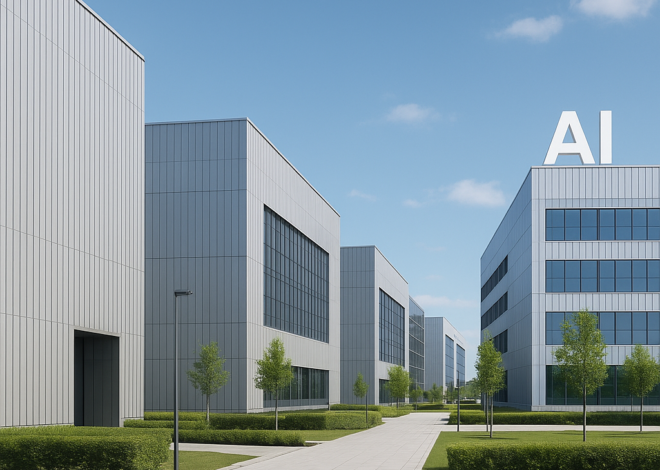
AI compute campuses refer to a new conceptualization of data centers, aimed at rebranding the often-unpopular facilities to highlight their role in advancing artificial intelligence. OpenAI is considering this shift to improve public perception and engage communities more effectively. In this article, you will learn about the implications of this rebranding, its significance in cloud computing, and what it means for developers and businesses.
What Is AI Compute Campuses?
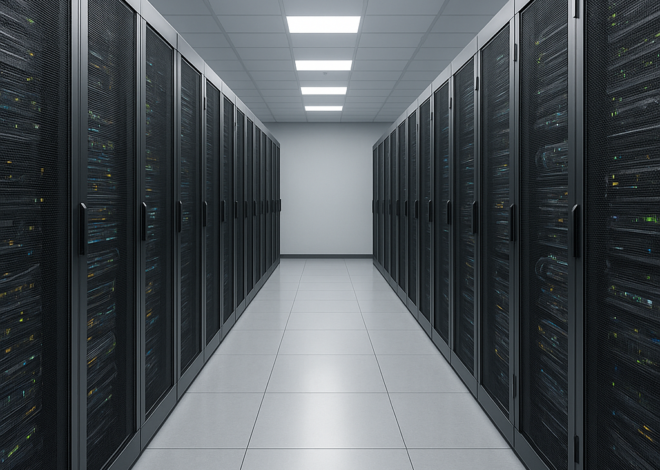
AI compute campuses are rebranded data centers intended to emphasize their role in artificial intelligence and cloud computing. This rebranding initiative stems from the ongoing dialogue about the societal implications of data centers and aims to foster a more positive image. By framing these facilities as integral to AI development, companies like OpenAI seek to increase community engagement and support.
Why This Matters Now
The relevance of AI compute campuses is underscored by the growing need for reliable infrastructure to support AI applications. As organizations increasingly rely on machine learning and data-intensive processes, the demand for efficient, scalable computing resources has surged. OpenAI’s initiative, as reported by TechCrunch, reflects a larger trend where tech companies are reassessing their public image and operational transparency.
Moreover, this shift comes at a time when regulatory scrutiny is intensifying. Developers and businesses must understand how these changes can affect their cloud strategies and what new opportunities might arise from more community-focused data center policies. The evolving discussion around “AI speed limits” and ethical AI also adds urgency to this topic.
Technical Deep Dive
Understanding the concept of AI compute campuses requires a look at the underlying technology and architecture that supports these facilities. Here are some key components:
- Infrastructure as Code (IaC): Utilizing tools like Terraform or AWS CloudFormation allows for the automated provisioning of resources in these campuses.
- Containerization: Employing Docker and Kubernetes enhances scalability and resource management, crucial for AI workloads.
- Serverless Architectures: Implementing serverless computing with AWS Lambda or Azure Functions can optimize resource utilization and reduce costs.
Here is a simple example of an IaC configuration for provisioning an AI compute environment using Terraform:
provider "aws" {
  region = "us-west-2"
}

resource "aws_instance" "ai_compute" {
  ami           = "ami-12345678"
  instance_type = "t2.large"

  tags = {
    Name = "AI Compute Instance"
  }
}
This straightforward setup illustrates how easy it is to deploy cloud resources that can support AI workloads, aligning with the vision of AI compute campuses as streamlined centers for innovation.
Real-World Applications
1. AI Research Facilities
Institutions focused on artificial intelligence research can utilize AI compute campuses to facilitate complex simulations and large-scale data analysis, dramatically speeding up research cycles.
2. Smart Cities
AI compute campuses can support the infrastructure for smart city technologies, enabling real-time data processing for traffic management, energy efficiency, and public safety applications.
3. Healthcare Innovations
In healthcare, AI compute campuses can enhance diagnostic capabilities through rapid data processing, aiding in personalized medicine and predictive analytics for patient care.
4. Autonomous Vehicles
Companies developing autonomous vehicle technologies can leverage AI compute campuses for extensive data collection and machine learning model training, crucial for safety and reliability.
What This Means for Developers
As AI compute campuses gain traction, developers should focus on several key areas:
- Learning Cloud Technologies: Familiarize yourself with cloud services like AWS, Azure, and Google Cloud, as they are integral to deploying applications in these environments.
- Mastering Containerization: Understanding Docker and Kubernetes will be vital for managing applications efficiently across AI compute campuses.
- Data Management Skills: Proficiency in data handling techniques, including ETL (Extract, Transform, Load) processes, will be essential for working with large datasets in AI applications.
💡 Pro Insight: The rebranding of data centers to AI compute campuses is not just a marketing maneuver; it represents a critical shift in how AI technologies are perceived and integrated into society. Developers should anticipate a future where these campuses are central to AI innovation and collaboration.
Future of AI Compute Campuses (2025–2030)
Looking ahead, we can expect AI compute campuses to evolve significantly over the next few years. As AI capabilities expand, these campuses will likely incorporate more sophisticated technologies such as quantum computing, providing developers with unprecedented processing power for complex AI tasks.
Furthermore, as community engagement becomes a priority, we may see the establishment of partnerships between tech companies and local governments, paving the way for more ethical and responsible AI development. This collaborative approach could also lead to standardization in AI practices, ensuring that developments benefit society as a whole.
Challenges & Limitations
1. Public Perception
Despite the rebranding effort, overcoming the historically negative perceptions of data centers will be a significant challenge. Communities may still harbor concerns over environmental impacts and energy consumption.
2. Regulatory Compliance
As regulations around AI and data usage become stricter, AI compute campuses will need to navigate complex compliance landscapes, which can slow down innovation.
3. Infrastructure Costs
Building and maintaining AI compute campuses can be expensive. Companies must balance the costs with the expected benefits, which may require significant investment upfront.
4. Technical Expertise
There will be a continuous demand for skilled professionals who can manage these advanced computing environments. The talent gap in AI and cloud computing skills could hinder progress if not addressed.
Key Takeaways
- AI compute campuses represent a rebranding of traditional data centers to emphasize their role in AI development.
- Community engagement and public perception are crucial to the success of these initiatives.
- Developers should focus on cloud technologies and containerization to take advantage of AI compute campuses.
- Future advancements may include quantum computing and increased regulatory scrutiny.
- Challenges such as public perception and infrastructure costs must be addressed for successful implementation.
Frequently Asked Questions
What are AI compute campuses?
AI compute campuses are rebranded data centers focused on supporting artificial intelligence initiatives, aiming to improve community engagement and public perception.
Why is rebranding data centers important?
Rebranding data centers as AI compute campuses can help shift public opinion, emphasizing their role in technological advancement and encouraging community support.
What skills should developers learn for AI compute campuses?
Developers should focus on cloud technologies, containerization, and data management skills to effectively work within AI compute campuses and leverage their capabilities.
For more insights about AI and developer news, follow KnowLatest.