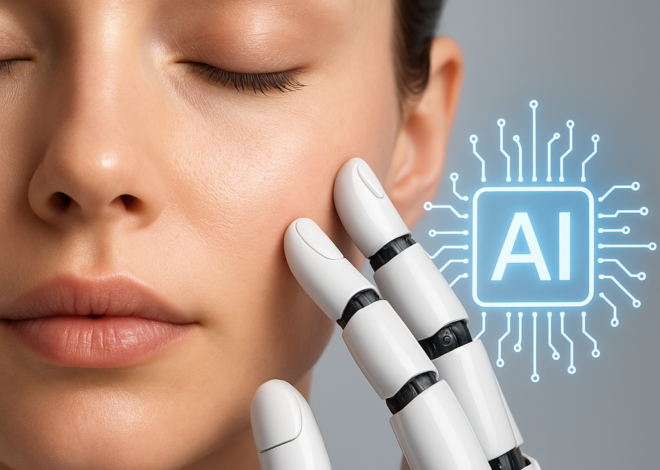
AI Avatars in Education: Transforming Learning Experiences
AI avatars in education refer to digital representations of instructors that provide personalized interaction and feedback to students. Recently, Harvard Business School has introduced these avatars in their HBS Foundry bootcamp, reflecting a growing trend in using AI for educational enhancement. In this post, we’ll explore how AI avatars are transforming learning experiences and what developers should consider when integrating such technologies into educational platforms.
What Is AI Avatars in Education?
AI avatars in education are virtual representations of instructors designed to enhance learning experiences through interactive feedback and personalized guidance. These avatars utilize advanced generative AI technologies to simulate real-time interactions with students, making education more engaging and tailored. As seen with Harvard’s $699 HBS Foundry bootcamp, AI avatars provide crucial feedback in practice scenarios, allowing students to refine their pitches and presentations effectively.
Why This Matters Now
The integration of AI avatars in educational settings is increasingly relevant due to several factors: the demand for personalized learning experiences, the rise of online education, and the ongoing advancements in AI technologies. As Harvard Business School incorporates AI avatars in its startup bootcamp, it exemplifies a shift towards more interactive and adaptive learning models. This trend not only enhances student engagement but also prepares them for a future where AI plays a crucial role in various industries.
Technical Deep Dive
Implementing AI avatars in educational platforms involves several key components:
- Generative AI Models: The backbone of AI avatars is generative models like GPT-3 or bespoke models developed by companies like HeyGen, which create realistic dialogue and feedback.
- Natural Language Processing (NLP): Utilizing NLP techniques ensures that avatars can understand and respond to student queries in real-time.
- User Interface (UI): The UI should be intuitive, allowing seamless interaction between students and avatars.
To illustrate how an AI avatar might be implemented, consider the following Python code snippet that utilizes a hypothetical AI model to generate feedback:
import openai

def get_feedback(pitch_text):
    response = openai.ChatCompletion.create(
        model="gpt-3.5-turbo",
        messages=[
            {"role": "user", "content": f"Provide feedback on this pitch: {pitch_text}"}
        ]
    )
    return response['choices'][0]['message']['content']

# Example usage
pitch = "My startup is an app that connects people with local farmers."
feedback = get_feedback(pitch)
print(feedback)
This snippet demonstrates how developers can leverage AI models to generate constructive feedback for student pitches in real-time.
Real-World Applications
Startup Incubators
Programs like Harvard’s HBS Foundry are now using AI avatars to provide personalized guidance during pitch practice, significantly enhancing the learning curve for entrepreneurs.
Corporate Training
Businesses can use AI avatars for training employees in soft skills and presentations, simulating various scenarios and providing real-time feedback.
Online Learning Platforms
Platforms like Coursera and Udemy can integrate AI avatars to offer tailored learning experiences, helping students navigate course content more effectively.
Virtual Classrooms
AI avatars can facilitate virtual classes, providing a more engaging and interactive environment for students, thereby improving retention and understanding of complex topics.
What This Means for Developers
Developers should focus on several key areas when considering the implementation of AI avatars:
- Learn about generative AI frameworks and their APIs to integrate AI functionalities effectively.
- Consider user experience design principles to create intuitive interactions with AI avatars.
- Stay updated on advancements in NLP and machine learning to ensure the avatars are capable of providing meaningful feedback.
- Explore data privacy regulations to ensure compliance when handling user data in educational contexts.
💡 Pro Insight: As the demand for personalized learning continues to rise, AI avatars will become essential in educational frameworks, allowing institutions to scale personalized mentorship while enhancing student engagement.
Future of AI Avatars (2025–2030)
In the next five years, we can expect AI avatars to evolve significantly. As natural language processing and machine learning techniques improve, these avatars will provide even more nuanced feedback and adapt to individual learning styles. Moreover, the integration of AI avatars into mainstream education will likely lead to a new standard in personalized learning, where each student can receive tailored guidance at scale.
Additionally, advancements in virtual reality (VR) and augmented reality (AR) could further enhance the interactivity of AI avatars, making learning experiences more immersive and engaging for students.
Challenges & Limitations
Ethical Considerations
The use of AI avatars raises ethical questions around data privacy and consent, especially in educational environments where minors may be involved.
Quality of Feedback
While AI avatars can provide feedback, there is a risk that the quality may not match that of human instructors, particularly in nuanced scenarios.
Technical Limitations
Developers must consider the limitations of current AI technologies, including potential biases in AI responses and the need for regular updates to the underlying models.
Acceptance Among Users
There may be resistance from students and educators who prefer traditional teaching methods over AI-driven interactions, requiring careful change management strategies.
Key Takeaways
- AI avatars represent a significant advancement in personalized education, providing real-time feedback and guidance.
- Harvard’s implementation of AI avatars sets a precedent for other educational institutions to follow.
- Developers must focus on user experience and ethical considerations when integrating AI avatars.
- Future advancements in AI and VR are likely to enhance the capabilities of these avatars, making learning more immersive.
- Addressing challenges like data privacy and acceptance will be crucial for the successful deployment of AI avatars in education.
Frequently Asked Questions
What are AI avatars in education?
AI avatars in education are digital representations of instructors that provide interactive feedback and personalized guidance to students, enhancing their learning experience.
How do AI avatars work?
AI avatars utilize generative AI and natural language processing to simulate interactions with students, offering tailored feedback based on their inputs.
What are the benefits of using AI avatars in learning?
AI avatars can provide personalized feedback, enhance engagement, and allow students to practice skills in a safe environment, ultimately improving learning outcomes.
To stay updated on the latest in AI and educational technology, follow KnowLatest for insightful articles and expert perspectives.