AI-Driven Manufacturing: Insights from Jensen Huang’s Japan Visit
AI-driven manufacturing refers to the integration of artificial intelligence (AI) into manufacturing processes to enhance efficiency, quality, and adaptability. Recently, Jensen Huang’s visit to Japan has spotlighted this trend, emphasizing significant partnerships and developments in Japan’s tech ecosystem. In this article, you’ll learn about the implications of Huang’s visit, the technological advancements in AI-driven manufacturing, and what developers need to focus on moving forward.
What Is AI-Driven Manufacturing?
AI-driven manufacturing involves utilizing artificial intelligence technologies to optimize production processes, improve decision-making, and enhance the overall quality of products. This approach is particularly vital now as industries are increasingly seeking efficiency and innovation to maintain competitiveness. The recent strategic moves by Nvidia in Japan highlight the growing focus on integrating AI into manufacturing, which is set to revolutionize factory operations.
Why This Matters Now
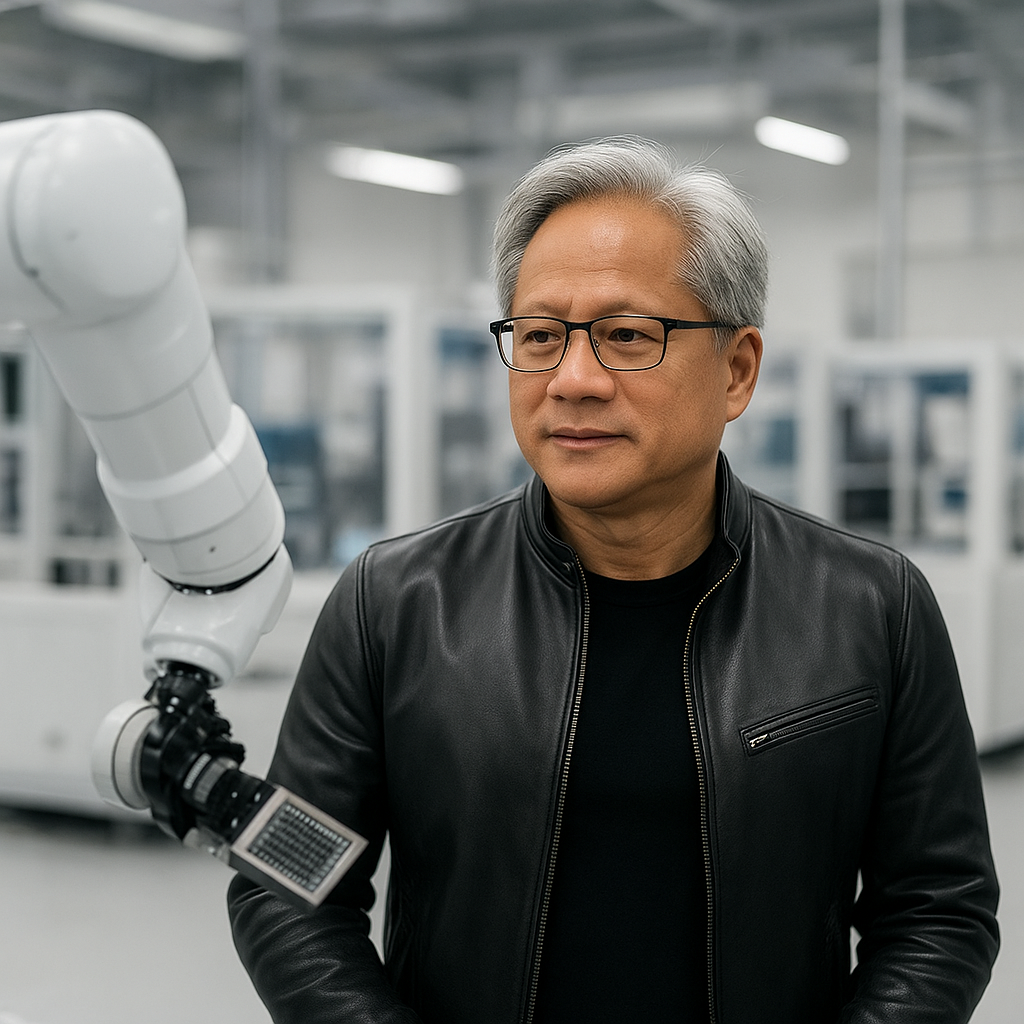
Jensen Huang’s recent visit to Japan is a pivotal moment for AI-driven manufacturing, indicating a significant shift in the industry. As Japan invests heavily in developing its own AI technologies for robotics and manufacturing, this move aims to reduce reliance on foreign AI systems. The government’s commitment of up to 1 trillion yen (approximately $6.2 billion) illustrates the urgency and importance of this initiative. Developers should care about this as it opens new avenues for AI applications in industrial settings, fostering innovation in areas like robotics, automation, and machine learning.
Technical Deep Dive
The integration of AI into manufacturing processes encompasses various technologies and methodologies. Below are some of the core components and technical considerations:
- Data Collection and Analysis: AI systems rely on vast amounts of data from sensors and machines to identify patterns and improve efficiency. This includes data from production lines, supply chains, and customer feedback.
- Machine Learning Models: Developers can leverage machine learning models to predict equipment failures, optimize production schedules, and enhance product quality. For instance, using Python’s
scikit-learnlibrary, developers can implement predictive maintenance models:
import pandas as pd
from sklearn.model_selection import train_test_split
from sklearn.ensemble import RandomForestClassifier
from sklearn.metrics import accuracy_score

# Load dataset
data = pd.read_csv('manufacturing_data.csv')
X = data.drop('failure', axis=1)
y = data['failure']

# Split data
X_train, X_test, y_train, y_test = train_test_split(X, y, test_size=0.2)

# Train model
model = RandomForestClassifier()
model.fit(X_train, y_train)

# Predictions
predictions = model.predict(X_test)
print(f'Accuracy: {accuracy_score(y_test, predictions)}')
This code snippet demonstrates a simple predictive maintenance model using a random forest classifier. By analyzing historical data, manufacturers can forecast equipment failures, reducing downtime and enhancing overall productivity.
Real-World Applications
Noetra: Japan’s Sovereign AI Initiative
Noetra represents Japan’s initiative to develop homegrown AI for its manufacturing sector. With support from major corporations like SoftBank, Sony, and Honda, this project aims to create a robust AI framework specifically designed for factory operations. By 2030, Noetra plans to release an AI capable of real-world applications, focusing on robotics and automation.
Nvidia’s Cosmos Models
Nvidia’s Cosmos project is another groundbreaking initiative, targeting Japan’s significant robotics and manufacturing sectors. Companies like Fanuc and Yaskawa are already integrating Nvidia’s Cosmos models into their operations, enhancing their automation capabilities. The introduction of Cosmos 3 Edge, which runs on Nvidia’s Jetson Thor chips, enables real-time processing at the machine level.
Toyota’s Advanced Driver Assistance Systems
Toyota is at the forefront of integrating AI into automotive manufacturing, utilizing Nvidia’s Drive platform to enhance vehicle features. The collaboration aims to refine production line simulations and improve the software that operates vehicles, thus expanding the capabilities of advanced driver assistance systems (ADAS).
What This Means for Developers
Developers should focus on enhancing their skills in machine learning, data analytics, and robotics to stay relevant in the evolving landscape of AI-driven manufacturing. Key areas to explore include:
- Mastering AI frameworks like TensorFlow and PyTorch for developing robust machine learning models.
- Learning about IoT integration to facilitate real-time data collection and monitoring.
- Understanding the implications of AI ethics and governance in manufacturing environments.
💡 Pro Insight
💡 Pro Insight: As the integration of AI into manufacturing accelerates, we are likely to see a paradigm shift in how factories operate. The collaboration between tech giants like Nvidia and Japan’s industrial giants will pave the way for smarter, more autonomous production environments, offering developers unprecedented opportunities to innovate.
Future of AI-Driven Manufacturing (2025–2030)
The next five years will be crucial for AI-driven manufacturing as we witness significant advancements in automation and robotics. By 2028, we can expect:
- The emergence of more sophisticated AI models capable of real-time decision-making on factory floors.
- Increased collaboration between tech companies and traditional manufacturers, resulting in hybrid models that leverage both human and AI capabilities.
- More emphasis on sustainable manufacturing practices, driven by AI’s ability to optimize resource usage and reduce waste.
Challenges & Limitations
Integration Complexity
Integrating AI into existing manufacturing processes can be complex, requiring substantial changes in infrastructure and workforce training. Companies must invest in both technology and skills development to ensure smooth transitions.
Data Security Concerns
With increased reliance on data-driven AI systems, manufacturers face heightened risks related to data privacy and cybersecurity. Ensuring robust security protocols is essential to protect sensitive operational data.
Dependence on Quality Data
The effectiveness of AI-driven solutions heavily relies on the quality of the data used for training. Inaccurate or biased data can lead to poor decision-making and operational inefficiencies.
Key Takeaways
- AI-driven manufacturing is transforming industries by improving efficiency and product quality.
- Japan is heavily investing in its homegrown AI initiatives to enhance its manufacturing capabilities.
- Developers should focus on mastering AI and data analytics to capitalize on opportunities in this space.
- Nvidia’s partnerships with Japanese firms signify a pivotal shift towards intelligent manufacturing.
- Future manufacturing will prioritize sustainable practices and hybrid operational models.
Frequently Asked Questions
What is AI-driven manufacturing?
AI-driven manufacturing integrates artificial intelligence into production processes to enhance efficiency, quality, and adaptability in manufacturing operations.
How is Japan investing in AI for manufacturing?
Japan is committing substantial resources, including up to 1 trillion yen, to develop its own AI technologies aimed at enhancing its industrial capabilities.
What are the challenges of implementing AI in manufacturing?
Challenges include integration complexity, data security concerns, and dependence on high-quality data for training AI models.
Call to Action
Stay updated on the latest trends in AI and technology by following KnowLatest for more insightful articles and developer resources.