
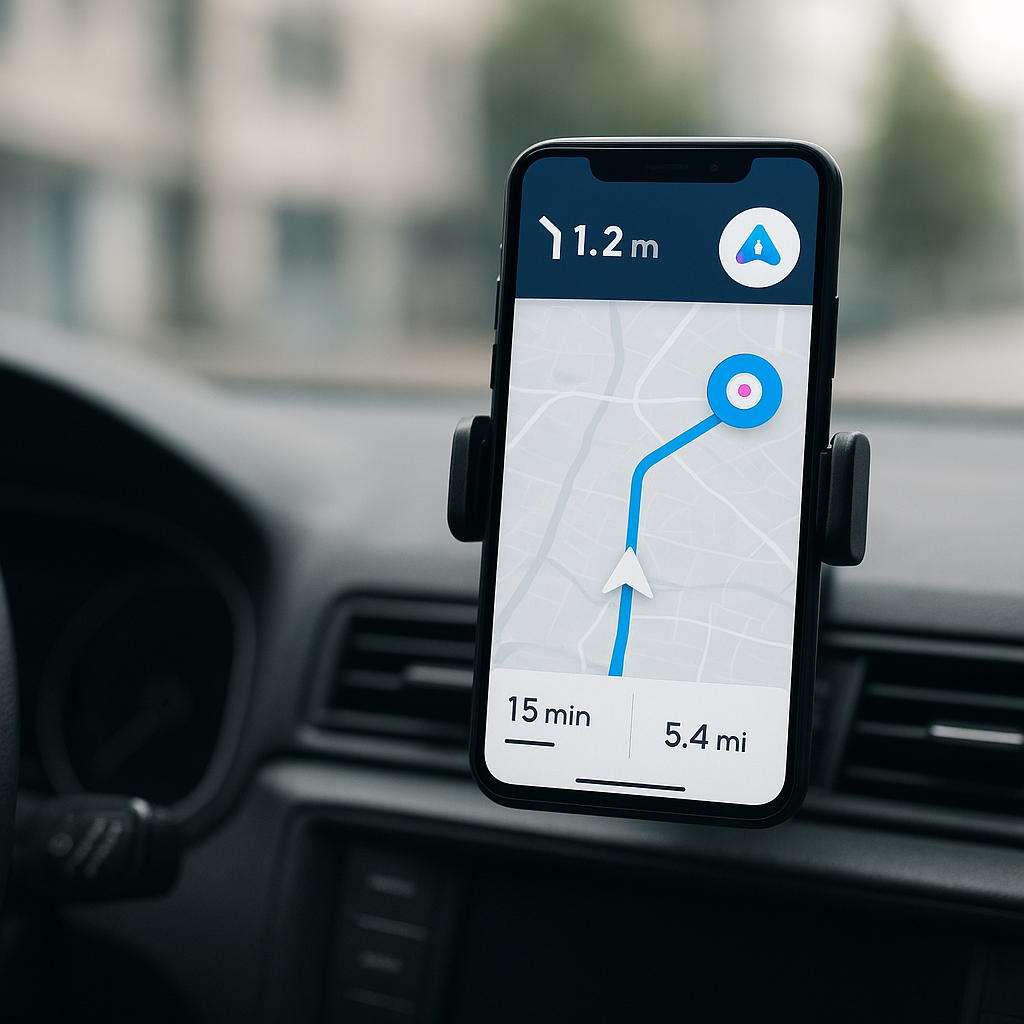
AI-Powered Navigation: Waze’s Gemini Integration Explained
AI-powered navigation tools are becoming increasingly essential for enhancing user experience and optimizing route efficiency. Waze, a popular navigation app owned by Google, has recently integrated new AI features powered by the Gemini AI assistant. This update reflects a broader trend in the tech industry aimed at improving personalized navigation and competing against services like Apple Maps. In this post, we will explore how these AI advancements can be leveraged by developers and what they mean for the future of navigation technology.
What Is AI-Powered Navigation?
AI-powered navigation refers to the integration of artificial intelligence technologies into navigation systems to provide users with personalized, efficient, and adaptive routing solutions. Recent updates to Waze, leveraging Google’s Gemini AI, showcase the growing importance of AI in enhancing user experience and optimizing route efficiency.
Why This Matters Now
The rapid advancement of AI technologies, such as Google’s Gemini, is reshaping the landscape of navigation apps. As users increasingly demand personalized services, Waze’s new features, including conversational reporting and tailored route suggestions, position it as a competitive alternative to Apple Maps. Developers should care about these changes as they signal a shift towards AI-driven user experiences that can significantly improve engagement and satisfaction.
Technical Deep Dive
The integration of AI features in Waze is driven by several key components:
- Conversational Reporting: Users can now report road updates using natural language. For instance, saying “The road is closed here” sends data directly to local map editors.
- Personalized Routing: The app suggests routes based on user preferences and historical driving patterns, leveraging machine learning algorithms to analyze traffic data.
- Motorcycle Mode: This new feature accounts for two-wheeler-specific routes, presenting riders with shortcuts and alerts about potential hazards like potholes.
Sample Code Snippet for Conversational Reporting
import speech_recognition as sr

def report_road_condition():
    r = sr.Recognizer()
    with sr.Microphone() as source:
        print("Please say the road condition:")
        audio = r.listen(source)

    try:
        condition = r.recognize_google(audio)
        send_report_to_waze(condition)  # Your function to send the report
    except sr.UnknownValueError:
        print("Sorry, I could not understand the audio.")
    except sr.RequestError:
        print("Could not request results from Google Speech Recognition service.")
This Python code demonstrates how developers can integrate speech recognition to allow users to report road conditions conversationally. By using libraries like speech_recognition, developers can streamline the process of collecting feedback from users.
Real-World Applications
1. Enhanced User Experience in Navigation Apps
By integrating AI features, companies can improve user satisfaction, making navigation apps more intuitive and user-friendly.
2. Targeted Marketing for Local Businesses
With personalized suggestions, local businesses can target potential customers effectively, enhancing visibility and foot traffic.
3. Infrastructure Management for City Planners
Data collected from users can aid city planners in making informed decisions about road maintenance and infrastructure improvements.
What This Means for Developers
Developers should focus on enhancing their skills in AI and machine learning, particularly in natural language processing (NLP) and data analytics. Understanding how to implement AI features can set developers apart in the competitive landscape of app development.
💡 Pro Insight
💡 Pro Insight: The integration of AI in applications like Waze is not just about feature enhancement; it’s about creating a more engaging user experience that adapts to individual needs. As AI continues to evolve, developers must prioritize user-centric solutions to stay relevant in the market.
Future of AI-Powered Navigation (2025–2030)
Looking ahead, we anticipate significant advancements in AI-powered navigation technologies. By 2030, we expect to see:
- Greater Personalization: Enhanced algorithms that predict user preferences even before they articulate them.
- Integration with Smart Cities: Navigation apps that interact seamlessly with smart infrastructure to provide real-time updates based on traffic signals and road conditions.
Developers who adapt to these trends will be well-positioned to capitalize on the evolving landscape of navigation technology.
Challenges & Limitations
1. Privacy Concerns
As navigation apps collect more data, user privacy becomes a critical issue. Developers must ensure robust data protection measures are in place.
2. Dependency on Data Accuracy
The effectiveness of AI-powered features is heavily reliant on accurate and up-to-date data. Ensuring data integrity is a challenge that developers must address.
3. User Adoption
Not all users may be comfortable with AI-driven features, necessitating clear communication about benefits and controls.
Key Takeaways
- AI-powered navigation enhances user experience through personalized routing and conversational features.
- Understanding AI technologies is crucial for developers to remain competitive in app development.
- The integration of AI in navigation apps can facilitate better decision-making for urban infrastructure.
- Privacy concerns and data accuracy issues must be addressed to build user trust.
- Future advancements will likely focus on greater personalization and integration with smart city infrastructure.
Frequently Asked Questions
What are AI-powered navigation systems?
AI-powered navigation systems utilize artificial intelligence to offer personalized route suggestions, real-time traffic updates, and user-friendly interaction methods like voice commands.
How does Waze use AI for routing?
Waze employs machine learning algorithms to analyze traffic patterns and user preferences, allowing it to suggest the most efficient routes based on historical data.
What are the implications of AI in navigation apps for developers?
Developers must enhance their skills in AI and machine learning to implement these advanced features, focusing on user-centric solutions that leverage data analytics.
For more insights on the evolving landscape of AI and technology, follow KnowLatest for the latest updates.


