
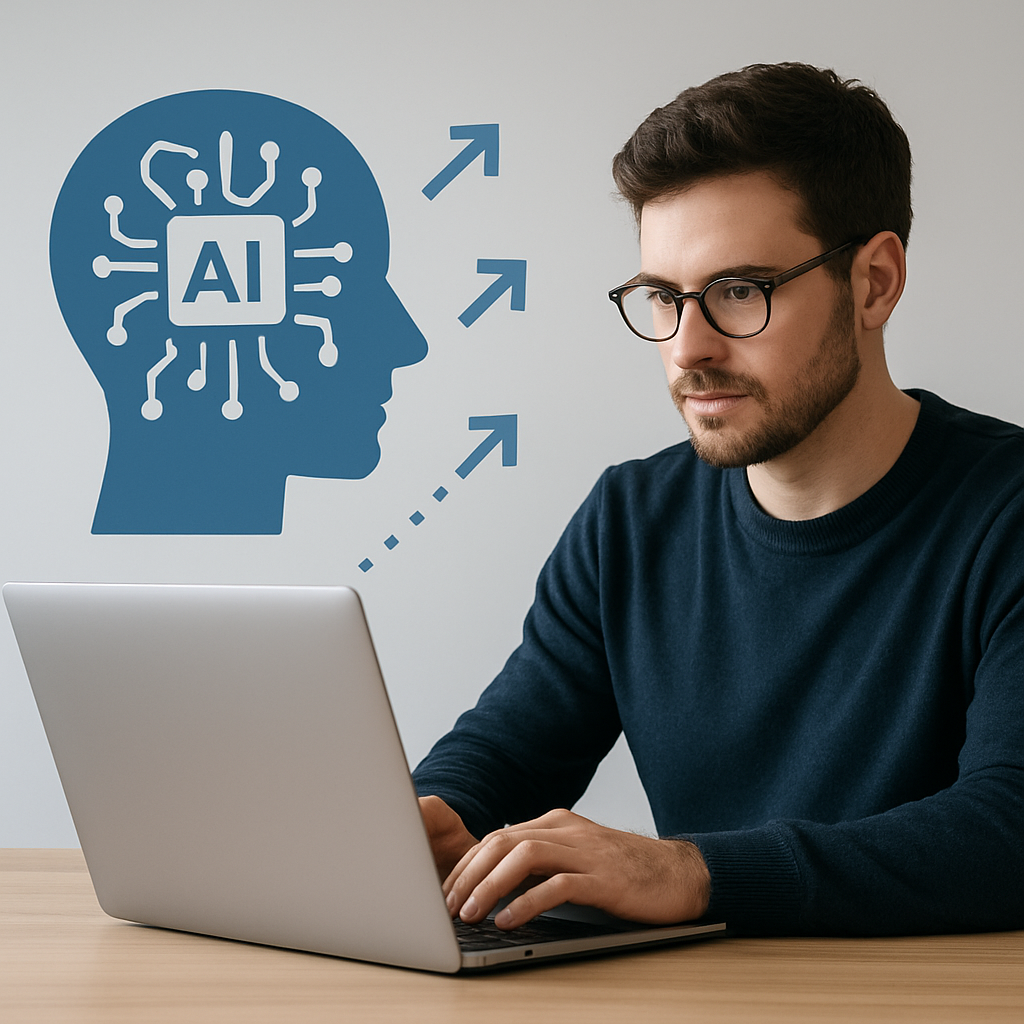
AI Talent Mobility: Implications for Developers and Innovation
AI talent mobility is a growing trend where key individuals move between prominent organizations to drive innovation and research. Recent news highlights Nobel laureate John Jumper’s transition from Google DeepMind to rival Anthropic, which underscores the competitive landscape in AI development. In this post, we’ll explore the implications of such talent shifts for AI practitioners and developers.
What Is AI Talent Mobility?
AI talent mobility refers to the movement of skilled professionals within the AI sector, particularly among leading companies like Google DeepMind and Anthropic. This trend is crucial for fostering innovation and advancing research capabilities across organizations. With experts like John Jumper making such transitions, it raises questions about competitive advantages and research directions.
Why This Matters Now
The recent shift of John Jumper from Google DeepMind to Anthropic highlights a crucial moment in AI development. As companies strive to innovate rapidly, attracting top talent is essential for maintaining a competitive edge. This movement can lead to significant advancements in AI tools and applications, especially in sectors like healthcare and data science. Furthermore, this trend is driven by the urgent need for organizations to adapt and respond to evolving market demands, making it a pivotal time for developers and AI practitioners.
Technical Deep Dive
Understanding the implications of AI talent mobility requires a closer look at the technologies and methodologies these experts bring with them. John Jumper’s contributions, particularly through his work on the AlphaFold model, illustrate how talent transfer can enhance capabilities in protein structure prediction.
To grasp the technical aspects, consider the following key components involved in building and deploying AI models like AlphaFold:
- Model Architecture: AlphaFold utilizes deep learning frameworks to predict 3D structures of proteins from their amino acid sequences.
- Data Processing: Efficient handling of large datasets is vital, often requiring the integration of cloud-based resources for computational power.
- Collaboration Tools: Platforms such as GitHub facilitate collaboration across teams, allowing for rapid iteration and improvement of models.
Here’s a basic implementation snippet using Python and TensorFlow to illustrate how AI models can be structured:
import tensorflow as tf

# Simple model example for predictive tasks
model = tf.keras.Sequential([
    tf.keras.layers.Dense(128, activation='relu', input_shape=(input_shape,)),
    tf.keras.layers.Dense(64, activation='relu'),
    tf.keras.layers.Dense(num_classes, activation='softmax')
])

model.compile(optimizer='adam', loss='sparse_categorical_crossentropy', metrics=['accuracy'])
As experts like Jumper transition between organizations, they introduce new perspectives on these technologies, which can lead to improved methodologies and innovative applications in the AI sector.
Real-World Applications
Healthcare Innovations
In healthcare, talent mobility can lead to breakthroughs in AI applications for diagnostics and personalized medicine. For example, leveraging models like AlphaFold can significantly enhance drug discovery processes.
Robotics Development
AI talent moving to companies focused on robotics can accelerate the integration of machine learning algorithms into robotics systems, improving automation and operational efficiency.
Natural Language Processing
As experts shift to AI startups focused on natural language processing (NLP), new frameworks and tools can emerge, enhancing communication technologies and user interfaces.
What This Means for Developers
For developers, understanding the implications of AI talent mobility is crucial. Here are a few actionable insights:
- Stay updated on industry trends and follow key figures transitioning between organizations.
- Enhance your skill set in emerging AI frameworks that are gaining traction in the industry.
- Engage in collaborative projects to build networks and share knowledge, mirroring the collaborative spirit of leading AI teams.
Pro Insight
💡 Pro Insight: The migration of top talent between companies signifies not just a shift in personnel, but a realignment of innovation priorities within the AI landscape. This trend will likely accelerate the pace of AI advancements in various sectors, particularly those that leverage complex data systems.
Future of AI Talent Mobility (2025–2030)
Looking ahead, AI talent mobility is expected to play a critical role in shaping the future of AI development. By 2030, we may witness a more interconnected ecosystem where knowledge transfer between organizations leads to rapid advancements in AI capabilities. Furthermore, as companies increasingly prioritize innovation through talent acquisition, we could see the emergence of collaborative research initiatives that redefine AI methodologies.
Challenges & Limitations
Retention of Knowledge
One challenge is the potential loss of organizational knowledge when key talent leaves. Companies may struggle to maintain continuity in their projects, impacting research progress.
Competitive Risks
With top talent moving to rival companies, the risk of intellectual property leakage increases, potentially affecting competitive advantages.
Cultural Integration
As talent moves, integrating diverse organizational cultures can pose challenges, affecting team dynamics and productivity.
Key Takeaways
- AI talent mobility is reshaping the competitive landscape of the industry.
- Expert transitions can lead to significant advancements in AI technologies and methodologies.
- Developers should actively engage in upskilling and networking to adapt to industry changes.
- Understanding the implications of these shifts is crucial for remaining competitive in the field.
- Future collaborations may redefine AI development practices across sectors.
Frequently Asked Questions
What is AI talent mobility?
AI talent mobility refers to the movement of skilled professionals within the AI industry, impacting innovation and research capabilities across organizations.
Why is John Jumper’s move significant?
Jumper’s transition from DeepMind to Anthropic highlights the competitive nature of the AI field and underscores the importance of attracting top talent for driving advancements.
How can developers benefit from understanding AI talent mobility?
Developers can gain insights into emerging trends, adapt their skills, and participate in collaborative projects that reflect current industry demands.
For more insights and updates on AI and technology, follow KnowLatest.


