
Enhancing Remote Device Control: Insights from Kyber
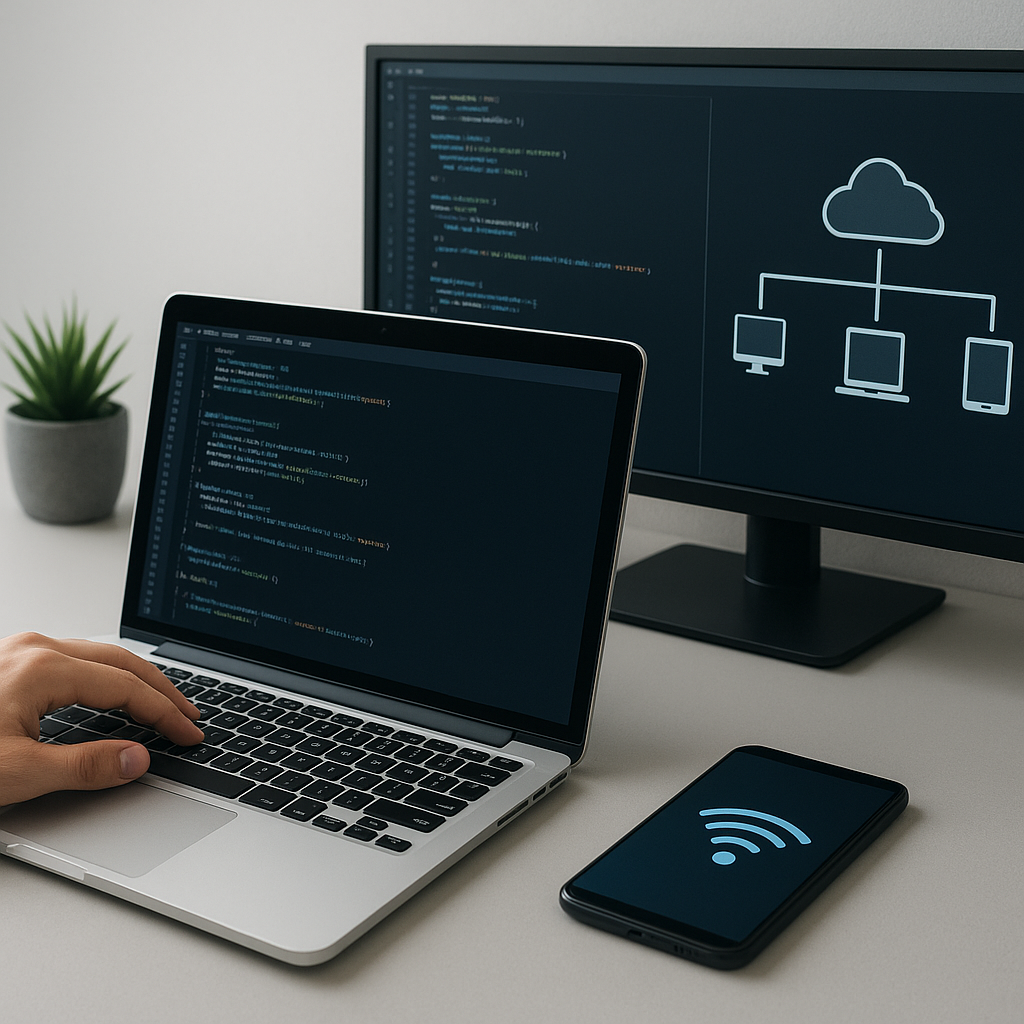
Remote device control refers to the ability to operate devices from a distance, enabling real-time interaction and management. Recently, Jean-Baptiste Kempf, known for his work on the VLC Media Player, has introduced Kyber, an innovative infrastructure layer designed for this purpose. In this post, we will explore how Kyber enhances remote device control, its underlying technology, and what it means for developers working in AI and robotics.
What Is Remote Device Control?
Remote device control enables users to manage and operate devices from a distance, facilitating real-time communication and data exchange. This capability is crucial in various applications, such as robotics, drones, and IoT systems. With advancements in technology, systems like Kyber are set to redefine how we manage remote devices.
Why This Matters Now
The demand for remote device control is surging as industries increasingly rely on automation and AI. Recent developments, such as the emergence of physical AI and advancements in robotics, underscore the need for efficient and scalable solutions. As highlighted by Kempf, controlling “hundreds of millions of robots and drones” will soon become commonplace, making solutions like Kyber essential. The ability to manage devices with minimal latency is pivotal for applications in defense, telecommunications, and logistics, where real-time data and control are critical.
Technical Deep Dive
Kyber’s architecture is based on a robust SDK designed to synchronize video, audio, sensor data, and control inputs efficiently. The focus on reducing latency is paramount, as even milliseconds can impact performance in real-world applications. Here’s how Kyber achieves this:
- Streamlined Data Processing: Kyber leverages video-streaming technology to minimize lag, a principle that originated from Kempf’s work with cloud gaming.
- Adaptive Performance Tuning: The SDK optimizes performance according to the available computational resources of the device, ensuring smooth operation regardless of scale.
- Scalable Architecture: Capable of managing thousands to millions of devices, Kyber’s infrastructure allows for seamless scaling, which is critical for enterprises operating large fleets.
Below is a simplified example of how a developer might implement a basic control command using Kyber’s API:
import kyber_sdk as ks

# Initialize the connection to the remote device
device = ks.Device.connect('device_id')

# Send a control command
device.control('start_operation', parameters={'speed': 'fast'})
This code snippet demonstrates connecting to a remote device and sending a control command with specified parameters. The flexibility of the SDK allows developers to customize their implementation based on specific use cases.
Real-World Applications
1. Robotics
In the field of robotics, Kyber provides a framework to control robots remotely, enabling real-time adjustments based on environmental changes. This is particularly useful in manufacturing and logistics, where precision and speed are critical.
2. Drones
For drone applications, Kyber’s low-latency communication allows for immediate feedback and control, enhancing safety and operational efficiency in tasks such as surveying and delivery.
3. Remote IT Access
Kyber also facilitates remote IT management, allowing IT professionals to manage systems without physical access. This capability can streamline operations and improve response times for system updates and troubleshooting.
What This Means for Developers
For developers, understanding and utilizing remote device control frameworks like Kyber is crucial. Key skills to focus on include:
- Proficiency in SDK integration for device management.
- Knowledge of latency optimization techniques for real-time applications.
- Experience in building scalable systems capable of handling large fleets of devices.
As the demand for remote device control continues to grow, developers who can effectively implement these systems will be in high demand.
💡 Pro Insight: As Jean-Baptiste Kempf notes, “If you control things in the real world, every millisecond matters.” This highlights the critical importance of optimizing latency in remote device control, especially as we transition to an era dominated by AI and robotics.
Future of Remote Device Control (2025–2030)
Looking ahead, the landscape of remote device control is expected to evolve significantly. By 2030, we anticipate the integration of advanced AI algorithms that will enhance decision-making capabilities in autonomous systems. Furthermore, as 5G becomes more widespread, the potential for real-time control will increase drastically, allowing for more complex operations and interactions between devices. Additionally, the rise of decentralized networks may lead to more secure and efficient communication protocols within these systems.
Challenges & Limitations
1. Latency Issues
Despite advancements, achieving zero latency remains a challenge, especially in environments with high data traffic or limited bandwidth.
2. Security Concerns
As with any remote control system, security is paramount. Ensuring that only authorized users can control devices is crucial to prevent misuse.
3. Scalability Challenges
Managing millions of devices introduces complexity in data handling and operational oversight. Developers must ensure that their systems can scale without compromising performance.
4. Integration Complexity
Integrating Kyber with existing systems can be complex, requiring careful planning and execution to ensure compatibility across diverse platforms.
Key Takeaways
- Remote device control is essential for the future of robotics, drones, and IT management.
- Kyber’s SDK offers a robust solution for real-time device control with low latency.
- Developers need to focus on optimizing performance and scalability in their implementations.
- Security and integration challenges must be addressed to ensure effective deployment of remote control systems.
- The future of remote device control promises exciting advancements driven by AI and improved network technologies.
Frequently Asked Questions
What is remote device control?
Remote device control refers to managing and operating devices from a distance, allowing real-time interaction and data exchange, which is crucial in various applications.
How does Kyber improve remote control systems?
Kyber enhances remote control systems by providing a low-latency SDK that synchronizes video, audio, sensor data, and control inputs, making it suitable for large-scale deployments.
What industries benefit from remote device control?
Industries such as robotics, logistics, telecommunications, and IT management significantly benefit from remote device control systems like Kyber, which improve operational efficiency and responsiveness.
To stay updated on the latest in AI and developer news, follow KnowLatest for more insights and advancements.


