
Custom AI Chip Design: Implications for Developers
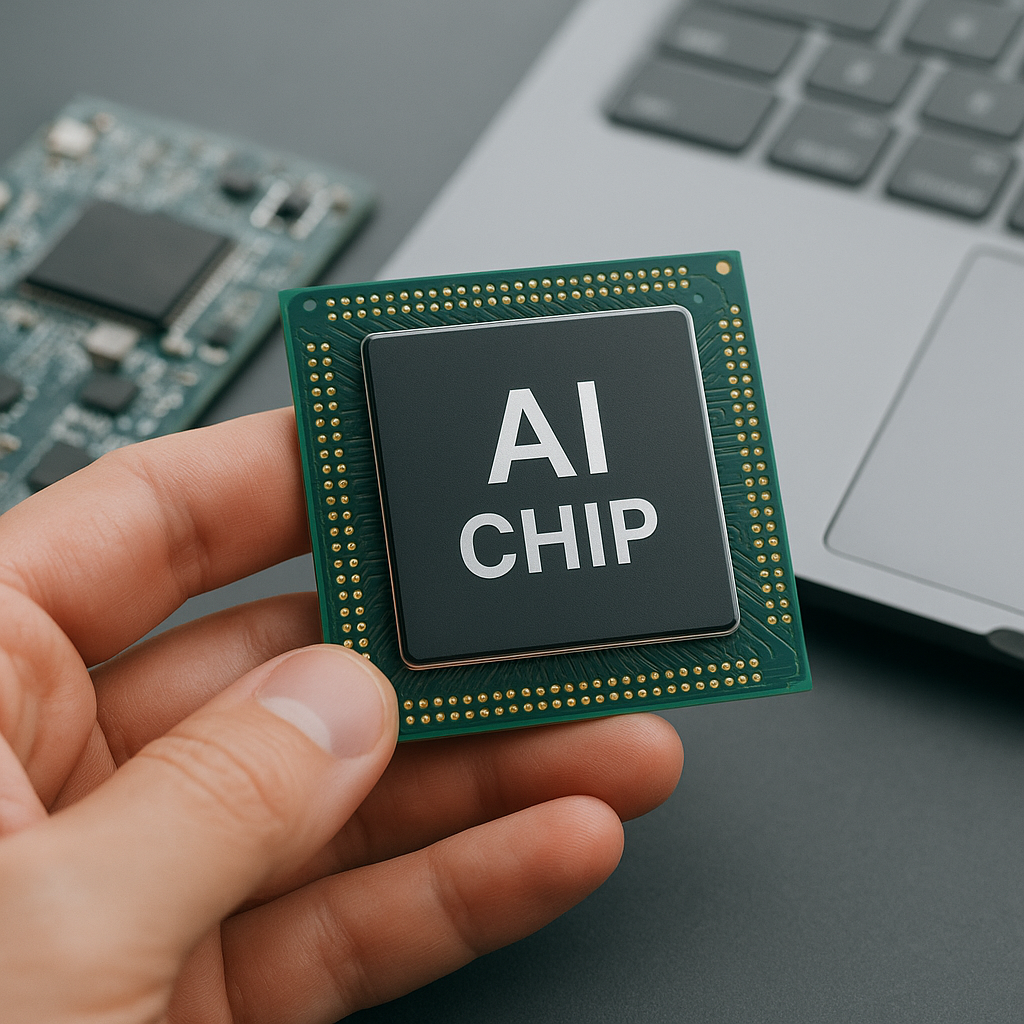
Custom AI chip design refers to the process of creating specialized hardware tailored specifically for artificial intelligence workloads. Recently, Anthropic announced its intention to hire a team dedicated to designing these custom chips, aiming to enhance the performance of its AI technologies like Claude. In this article, we’ll delve into the implications of custom AI chip design for developers and the broader industry.
What Is Custom AI Chip Design?
Custom AI chip design is the tailored creation of silicon chips optimized for specific AI tasks, enabling enhanced processing speed and efficiency. This approach is gaining traction as AI applications require increasingly powerful and efficient computation solutions. Anthropic’s move to co-design both hardware and AI models reflects a growing trend in the AI industry, as companies seek to address performance bottlenecks and scalability issues.
Why This Matters Now
The urgency for custom AI chip design is driven by the exponential growth in AI applications and the need for specialized hardware to support them. As Anthropic competes against giants like OpenAI, Google, and Meta, it recognizes that relying on third-party hardware is insufficient for scaling its capabilities.
Recent reports indicate that AI demand is skyrocketing, prompting firms to explore custom solutions. By developing proprietary chips, companies can optimize performance, reduce costs, and gain a competitive edge in the market. This trend also emphasizes the importance of collaboration between hardware and software teams to create more integrated AI solutions.
Technical Deep Dive
Custom AI chips can take various forms, including Application-Specific Integrated Circuits (ASICs) and Field-Programmable Gate Arrays (FPGAs). These chips are designed with specific workloads in mind, providing more efficiency than general-purpose processors. Here’s a breakdown of their architecture and advantages:
| Type | Use Case | Advantages |
|---|---|---|
| ASIC | High-performance AI tasks (e.g., training large models) | Maximized speed and efficiency; minimal power consumption |
| FPGA | Flexibility in AI model deployment and testing | Reconfigurable for different tasks; faster time-to-market |
To illustrate how developers can leverage custom AI chips, consider the following code snippet, which demonstrates how to use TensorFlow with a custom chip:
import tensorflow as tf

# Define a simple model
model = tf.keras.Sequential([
    tf.keras.layers.Dense(128, activation='relu', input_shape=(784,)),
    tf.keras.layers.Dense(10, activation='softmax')
])

# Compile the model
model.compile(optimizer='adam', loss='sparse_categorical_crossentropy', metrics=['accuracy'])

# Use a custom AI chip
# Assuming a custom chip is configured
with tf.device('/device:Custom:0'):
    model.fit(train_data, train_labels, epochs=5)
This example shows how developers can utilize custom AI chips in their models to enhance performance and efficiency.
Real-World Applications
1. Autonomous Vehicles
Companies like Tesla are utilizing custom chips for real-time data processing in their autonomous driving systems. These chips handle complex computations that allow vehicles to navigate safely.
2. Natural Language Processing
Tech firms are deploying custom AI chips to accelerate language model training and inference, reducing latency and improving interaction quality in applications like chatbots and virtual assistants.
3. Medical Imaging
Healthcare organizations are leveraging custom-designed chips for processing large datasets from imaging devices, leading to faster diagnoses and improved patient outcomes.
What This Means for Developers
Developers must adapt to the evolving landscape of custom AI hardware. Understanding the basics of AI chip design will become increasingly important. Here are some actionable steps:
- Learn about hardware-software co-design principles to optimize AI model performance.
- Familiarize yourself with tools like TensorFlow and PyTorch that support custom hardware integration.
- Explore programming languages like Verilog or VHDL, which are essential for chip design.
- Stay updated on industry trends regarding custom AI chips and their applications.
💡 Pro Insight: The future of AI development will increasingly hinge on the ability to design and optimize hardware tailored specifically for AI tasks. As companies like Anthropic invest in custom chip design, developers must prepare for a paradigm shift in how AI applications are built and deployed.
Future of Custom AI Chip Design (2025–2030)
In the next 3–5 years, the landscape of AI chip design is expected to evolve rapidly. Custom chips will likely become the norm, with companies developing specialized solutions for various AI workloads, from natural language processing to computer vision. As the demand for AI technology increases, there will be a parallel need for improved efficiency and performance in hardware.
Moreover, advancements in machine learning algorithms will drive innovations in chip architecture, leading to more energy-efficient designs. Companies that invest in custom chip design will gain a significant competitive advantage, as they can tailor their hardware to meet specific application needs. This trend will likely democratize access to AI technologies, enabling startups and smaller enterprises to compete with industry giants.
Challenges & Limitations
1. High Development Costs
Developing custom AI chips involves significant investment in research and development. Smaller firms may struggle to allocate the necessary resources, limiting their ability to compete.
2. Technical Complexity
Designing custom chips requires specialized knowledge in both hardware and software development. There is a steep learning curve, making it challenging for many developers to transition into this field.
3. Rapidly Changing AI Landscape
The fast-paced nature of AI advancements means that chips may quickly become outdated. Companies must continuously innovate to keep up with new algorithms and models, posing a risk for long-term investments.
4. Supply Chain Issues
Global supply chain challenges can hinder the production and availability of custom AI chips, affecting development timelines and project scalability.
Key Takeaways
- Custom AI chip design is crucial for optimizing AI workloads and enhancing performance.
- Companies like Anthropic are leading the charge in developing specialized hardware tailored for AI applications.
- Developers must be proactive in learning about hardware-software integration and chip design principles.
- Future trends indicate a shift towards custom solutions, making it essential to stay informed about advances in AI hardware.
- While challenges exist, the potential benefits of custom AI chips make them a worthwhile investment for many organizations.
Frequently Asked Questions
What is the benefit of custom AI chips?
Custom AI chips offer optimized performance for specific tasks, leading to faster processing times and increased efficiency compared to general-purpose processors.
How do custom chips differ from standard GPUs?
Custom chips are tailored for specific AI workloads, whereas GPUs are designed for general-purpose computing. This specialization allows for greater efficiency and performance in AI applications.
What skills do developers need for custom chip design?
Developers should familiarize themselves with hardware-software co-design, chip architecture, and programming languages like Verilog or VHDL to work effectively in custom chip design.
For ongoing updates on AI technologies and trends, follow KnowLatest for the latest insights and developments.


