
Data Center Expansion: Insights from SoftBank’s €75 Billion Investment
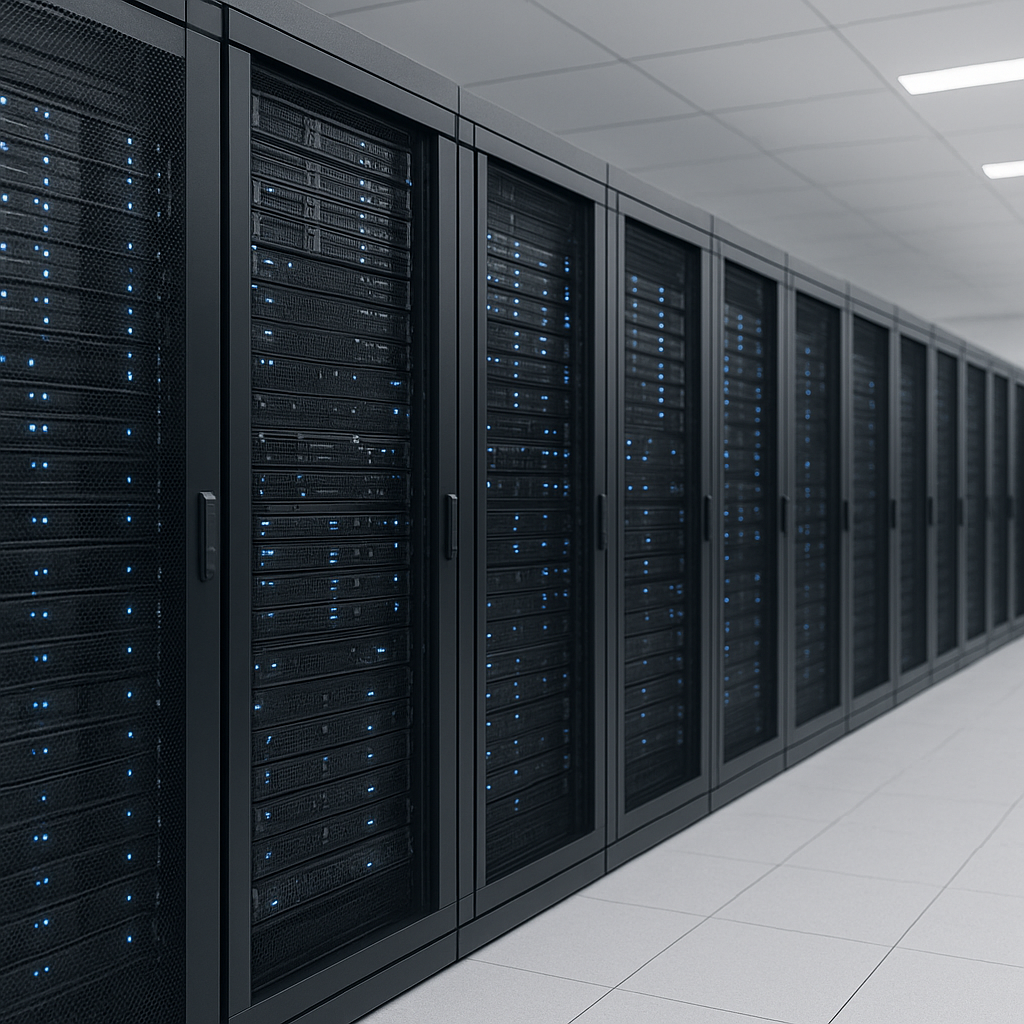
Data center expansion refers to the construction and enhancement of facilities that house computer systems and associated components. Recently, SoftBank announced its plan to invest up to €75 billion to build new data centers in France. This post will explore the implications of this investment for developers, the cloud computing landscape, and the future of data center technologies.
What Is Data Center Expansion?
Data center expansion involves increasing the capacity and capabilities of data centers through new constructions or upgrades. This is particularly relevant today as global demand for computing resources surges. The recent announcement by SoftBank, aiming to develop 5 gigawatts of additional capacity in France, highlights the growing need for robust infrastructure to support cloud computing, AI, and other data-intensive applications.
Why This Matters Now
The urgency for data center expansion stems from several interconnected trends: the rise of cloud computing, increasing AI applications, and the push for greener technologies. As noted in the announcement, the initial phase will focus on facilities in Dunkirk, Bosquel, and Bouchain, delivering 3.1 gigawatts of capacity by 2031. This investment is not just about increasing capacity; it’s about responding to the escalating demand for data processing and storage capabilities, particularly in regions aiming to become AI hubs.
For developers, this means more resources and infrastructure to build applications that rely on cloud services. As SoftBank’s investment underscores, France is positioning itself as a leader in the AI value chain, attracting developers and companies looking to leverage advanced technologies.
Technical Deep Dive
Understanding the technical aspects of data center expansion involves examining the architecture, energy requirements, and cooling solutions that are crucial for modern data centers. A typical data center setup includes several key components:
- Compute Resources: Servers that process data and run applications.
- Storage Solutions: Systems that store data, such as SAN or NAS.
- Networking: High-speed connections to facilitate data transfer.
- Cooling Systems: Essential for maintaining optimal operating temperatures.
Here’s a simplified code snippet that represents a basic infrastructure setup using Docker for container orchestration in a data center environment:
version: '3.8'
services:
  web:
    image: nginx:latest
    ports:
      - "80:80"
    networks:
      - webnet

  db:
    image: mysql:5.7
    environment:
      MYSQL_ROOT_PASSWORD: example
    networks:
      - webnet

networks:
  webnet:
This Docker Compose file sets up a simple web server paired with a MySQL database, showcasing how containerization can simplify deploying applications in a data center environment.
Furthermore, SoftBank’s investment plan highlights the importance of energy efficiency, with a goal of utilizing sustainable energy sources. Modern data centers are increasingly adopting renewable energy technologies to mitigate their environmental impact.
| Feature | Traditional Data Centers | Modern Data Centers |
|---|---|---|
| Energy Consumption | High | Optimized for efficiency |
| Cooling Systems | Air conditioning | Liquid cooling, free cooling |
| Scalability | Limited | Highly scalable |
Real-World Applications
1. Cloud Service Providers
Companies like AWS, Google Cloud, and Azure can leverage increased data center capacity to enhance their service offerings, improving performance and reliability for users.
2. AI and Machine Learning
AI applications that require intensive data processing will benefit from the additional capacity, allowing for faster model training and inference.
3. Edge Computing
Data centers in strategic locations can support edge computing applications, delivering low-latency services for IoT devices and real-time analytics.
4. Disaster Recovery Solutions
Enhanced data center infrastructure can provide robust disaster recovery capabilities, ensuring business continuity for organizations in various sectors.
What This Means for Developers
With the expansion of data centers, developers should focus on optimizing their applications for cloud environments. Key areas to consider include:
- Resource Management: Understanding how to efficiently utilize available resources to minimize costs and maximize performance.
- Cloud-Native Development: Adopting frameworks and best practices that leverage cloud capabilities, such as microservices and serverless architectures.
- AI Integration: Developing applications that can utilize AI services to enhance functionality, such as natural language processing or image recognition.
💡 Pro Insight: As data center investments grow, developers must also prioritize energy-efficient coding practices. This will not only reduce operational costs but also align with the increasing emphasis on sustainability in tech.
Future of Data Center Expansion (2025–2030)
The future of data center expansion is poised for significant evolution as technology advances and environmental considerations take center stage. By 2030, we can expect:
1. **Increased Automation:** Data centers will leverage AI for predictive maintenance and resource allocation, reducing downtime and operational costs.
2. **Hybrid Architectures:** The integration of on-premises and cloud resources will become more seamless, allowing businesses to optimize their operations effectively.
3. **Enhanced Sustainability:** With a growing focus on climate change, future data centers will prioritize renewable energy sources and innovative cooling technologies.
4. **Regulatory Compliance:** As data privacy laws become stricter, data centers will need to ensure compliance with regulations, driving investment in security measures.
Challenges & Limitations
1. Environmental Concerns
As data center capacity grows, so does the demand for energy, raising concerns about environmental impact and sustainability.
2. Regulatory Hurdles
Developers may face challenges in navigating complex regulations concerning data storage, privacy, and energy consumption.
3. Infrastructure Limitations
Existing infrastructure in certain regions may not support the rapid scaling required for new data centers.
4. Security Risks
With increased capacity comes the need for enhanced security measures to protect sensitive data from breaches and cyber threats.
Key Takeaways
- Data center expansion is critical for meeting the rising demand for cloud services and AI applications.
- SoftBank’s €75 billion investment highlights the potential for growth in the European tech landscape.
- Developers should focus on optimizing applications for cloud environments and sustainability.
- Future data centers will likely feature automated systems and enhanced sustainability practices.
- Challenges such as environmental concerns and regulatory compliance will shape the development of data centers.
Frequently Asked Questions
What factors drive data center expansion?
Data center expansion is driven by rising demand for cloud services, AI applications, and the need for improved infrastructure to support these technologies.
How can developers prepare for changes in data center technology?
Developers can prepare by adopting cloud-native practices, optimizing resource management, and staying informed about emerging technologies and regulations.
What are the environmental impacts of data centers?
Data centers consume significant energy, which raises concerns about carbon footprints; thus, many are transitioning to renewable energy sources to mitigate these impacts.
To stay updated on the latest in AI and cloud computing, follow KnowLatest for more insights and developments.


