
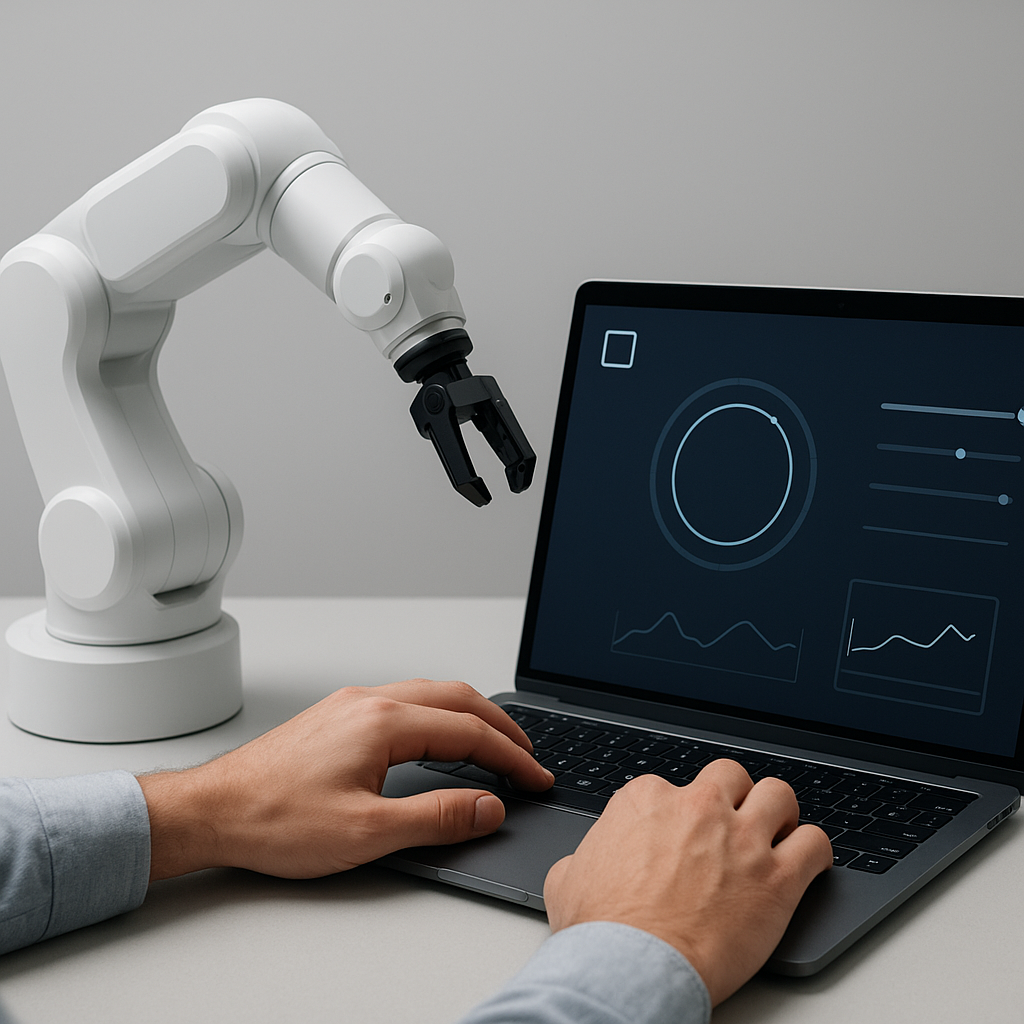
Kyber: Real-Time Control for Remote Devices
Kyber is an innovative infrastructure layer enabling real-time control of remote devices, including robots and drones. Recently, Jean-Baptiste Kempf, the lead developer of VLC Media Player, highlighted its potential to revolutionize how we interact with physical AI. This article delves into the technical intricacies of Kyber, its implications for developers, and the future of remote control technologies.
What Is Kyber?
Kyber is a real-time infrastructure layer designed for controlling remote devices, including robots and drones. Developed by Jean-Baptiste Kempf, it synchronizes video, audio, sensor data, and control inputs with minimal latency. As demand for physical AI grows, Kyber aims to facilitate seamless operation across diverse applications where operators are distanced from the devices they control.
Why This Matters Now
The rise of physical AI and the increasing ubiquity of remote-controlled devices necessitate robust infrastructure for real-time control. With predictions of “hundreds of millions of robots and drones” in the coming years, the need for low-latency communication systems has never been more critical. Kyber’s focus on minimizing lag aligns well with trends in IoT and automation, making it a pivotal solution for developers and enterprises alike.
The investment of $5 million led by Lightspeed Ventures underscores the growing interest in technologies that enhance remote operations. As Kempf noted, “If you control things in the real world, every millisecond matters.”
Technical Deep Dive
Kyber’s architecture is rooted in advanced video-streaming technology, allowing it to efficiently synchronize multiple data streams. The core software package acts as an SDK, enabling developers to integrate real-time capabilities into their applications. Below are some significant components of Kyber’s architecture:
- Real-Time Data Synchronization: The SDK supports rapid synchronization of video, audio, and sensor data, crucial for applications like remote driving and drone control.
- Low Latency: Utilizing a combination of efficient coding practices and optimized network protocols, Kyber minimizes delays in data transmission.
- Scalability: Designed to manage fleets ranging from a few devices to millions, Kyber enables enterprises to scale operations without compromising performance.
Here’s a simple example of how to set up a basic Kyber integration using Python:
import kyber_sdk

# Initialize the Kyber client
client = kyber_sdk.Client(api_key='your_api_key')

# Connect to a remote device
device = client.connect('device_id')

# Stream video from the device
video_stream = device.stream_video()

# Process video frames
for frame in video_stream:
    # Perform operations on each frame
    print(f"Processing frame: {frame}")
This basic snippet illustrates how developers can initiate a connection to a remote device and stream video data, showcasing Kyber’s real-time capabilities.
Real-World Applications
1. Robotics
In the robotics sector, Kyber empowers developers to control robots in various environments, from manufacturing to healthcare. Its ability to handle multiple data streams enables robots to operate more efficiently in complex tasks.
2. Drones
For drone applications, Kyber offers rapid streaming and control, crucial for tasks such as surveillance, delivery, and agriculture. The SDK allows seamless integration with existing drone technology.
3. Remote IT Access
In remote IT management, Kyber facilitates efficient control of IT infrastructure without the need for physical access to devices. This is particularly beneficial in scenarios involving software updates and troubleshooting.
What This Means for Developers
Developers should consider acquiring skills in real-time data synchronization and remote device management. Familiarity with protocols and technologies that minimize latency will be essential for implementing solutions using Kyber. As the demand for distributed systems grows, integrating Kyber into applications can enhance operational efficiency and user experience.
💡 Pro Insight: The future of robotics and AI-driven devices hinges on infrastructure layers like Kyber that can efficiently manage real-time interactions. As these technologies mature, the potential for new applications will expand, creating opportunities for developers to innovate beyond traditional boundaries.
Future of Kyber (2025–2030)
In the next 3–5 years, the landscape for remote-controlled devices is set to evolve dramatically. As AI becomes more integrated into our daily lives, the demand for reliable infrastructure like Kyber will increase. We can expect advancements in low-latency communication technologies to further enhance the capabilities of physical AI applications.
Moreover, as enterprises adopt these technologies at scale, we may see a shift in regulatory frameworks governing remote operations, influencing how developers build and deploy their solutions. The combination of these factors will lead to a more interconnected world where robotics and AI play a central role.
Challenges & Limitations
1. Data Security
As with any remote control technology, data security remains a significant concern. Ensuring that data transmitted between devices is secure from interception is critical.
2. Network Reliability
The effectiveness of Kyber heavily relies on network stability. In scenarios with poor connectivity, maintaining real-time operations can be challenging.
3. Scalability Issues
While Kyber is designed to handle large fleets, scaling operations without impacting performance can present challenges, especially in data-heavy applications.
4. Integration Complexity
Integrating Kyber with existing systems may require a steep learning curve, particularly for teams unfamiliar with real-time data synchronization techniques.
Key Takeaways
- Kyber enables real-time control of remote devices, essential for robotics and drones.
- Low latency is a critical feature that enhances the performance of physical AI applications.
- Kyber’s SDK allows for easy integration into existing applications, improving operational efficiency.
- Developers should focus on skills related to real-time data synchronization and remote operations.
- Future advancements in communication technology will further enhance the capabilities of Kyber.
Frequently Asked Questions
What is Kyber? Kyber is an infrastructure layer for controlling remote devices in real time, designed to minimize latency and synchronize multiple data streams.
How does Kyber enhance robotics? By providing low-latency communication and real-time data synchronization, Kyber improves the efficiency and responsiveness of robotic applications.
What are the primary applications of Kyber? Kyber is primarily used in robotics, drone operations, and remote IT access, facilitating seamless control of various devices.
For more insights and updates on AI tools and technologies, follow KnowLatest.


