
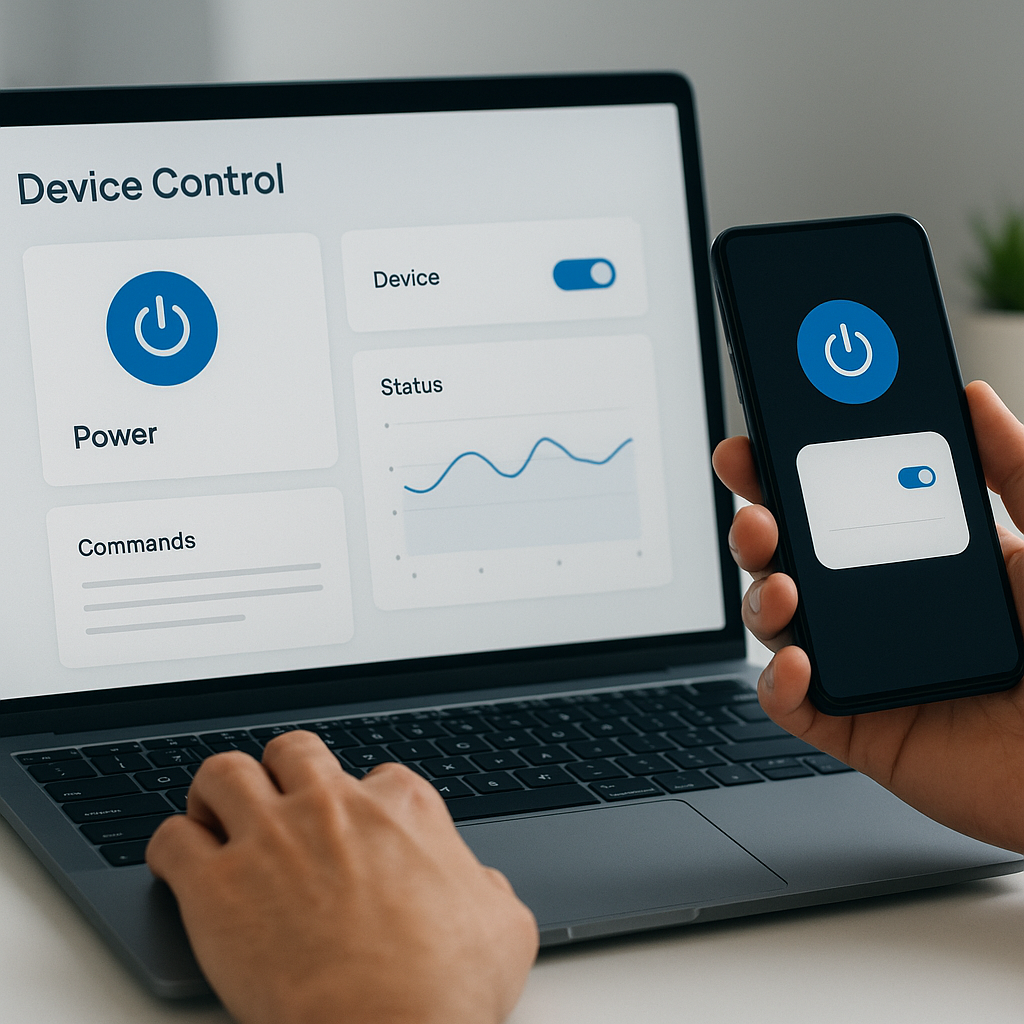
Remote Device Control: Revolutionizing Management with Kyber
Remote device control refers to the ability to manage devices from a distance, allowing for real-time interactions and adjustments. Recently, Jean-Baptiste Kempf, the lead developer of VLC Media Player, has ventured into this space with his new project, Kyber, an infrastructure layer designed for remote device management. This post will explore how Kyber revolutionizes control over remote devices and its implications for developers.
What Is Remote Device Control?
Remote device control is the capability to manage and operate devices from a location that is not physically close to the device itself. This technology has become increasingly important as the number of connected devices, including drones and robots, continues to grow. With advancements in real-time data synchronization and minimal latency, the need for effective remote device management solutions is more critical than ever.
Why This Matters Now
The rise of IoT (Internet of Things) and AI (Artificial Intelligence) technologies has created a pressing demand for effective remote control solutions. As noted in a recent article by TechCrunch, Jean-Baptiste Kempf’s Kyber platform aims to address these needs by developing an infrastructure layer for controlling devices in real-time. Developers should care about this now because the integration of physical AI in various industries is becoming increasingly mainstream, necessitating robust and efficient methods for managing devices remotely.
Technical Deep Dive
Kyber’s architecture is built around a software development kit (SDK) designed to synchronize video, audio, sensor data, and control inputs with minimal latency. This is crucial for applications where timing is critical, such as in autonomous driving or drone operations.
Key Features of Kyber
- Low Latency: Utilizing video-streaming technology, Kyber minimizes lag, ensuring timely responses in real-world applications.
- Scalability: The platform is designed to handle a vast number of devices, from a few to millions, making it suitable for various industries.
- Open Source: True to Kempf’s roots, the core project is open-source, allowing developers to contribute and customize the software.
- Custom Deployment: Kyber also offers tailored deployment solutions through forward-deployed engineers (FDEs) who assist clients in implementing the technology effectively.
Example Configuration
const kyber = require('kyber-sdk');

// Initialize connection to remote device
const device = kyber.connect('device_id', {
  video: true,
  audio: true,
});

// Send control command
device.sendCommand('move', { direction: 'forward', speed: 10 });
The above code snippet illustrates a simple example of how to connect to a remote device using the Kyber SDK and send a control command. This functionality is essential for developers looking to integrate remote management capabilities into their applications.
Real-World Applications
1. Robotics
Kyber is particularly suited for robotics, enabling developers to manage fleets of robots efficiently. This is crucial in industries like manufacturing, where logistics and operational efficiency are paramount.
2. Drones
The platform can also be utilized for drone operations, allowing for real-time monitoring and control, which is essential for tasks like surveillance, delivery, and agriculture.
3. Remote IT Access
With the rise of remote work, Kyber’s capabilities can streamline IT support by allowing technicians to manage systems without being on-site, ensuring timely updates and modifications.
What This Means for Developers
Developers should focus on gaining expertise in remote device management frameworks like Kyber. Understanding real-time data synchronization, IoT protocols, and control mechanisms will be vital skills moving forward. Additionally, familiarity with open-source contributions can enhance collaboration and innovation in this space.
💡 Pro Insight: The future of remote device control hinges on the ability to manage vast fleets with minimal latency. As AI continues to integrate into physical systems, solutions like Kyber will become indispensable for developers looking to innovate across industries.
Future of Remote Device Control (2025–2030)
Looking ahead, the demand for remote device control solutions is projected to grow significantly. By 2030, we may see millions of autonomous devices operating simultaneously in urban environments. This will necessitate advancements in both control software and the underlying infrastructure to manage these devices effectively. Additionally, as AI becomes more sophisticated, the need for seamless integration between AI models and remote management frameworks will be critical.
Challenges & Limitations
1. Scalability Issues
While Kyber is designed to handle millions of devices, managing such a scale presents challenges in terms of data processing and real-time responsiveness.
2. Security Concerns
Remote management systems can be vulnerable to cyberattacks, necessitating robust security protocols to protect sensitive data and operations.
3. Dependency on Network Connectivity
Effective remote device control relies heavily on stable network connections. Interruptions can cause significant operational disruptions.
4. Integration Complexity
Integrating Kyber with existing systems can be complex and may require significant development effort, particularly in legacy environments.
Key Takeaways
- Remote device control is essential for managing IoT and AI applications effectively.
- Kyber offers a powerful SDK that minimizes latency and enhances real-time control.
- The platform is open-source, encouraging community contributions and innovation.
- Real-world applications span robotics, drones, and remote IT management.
- Developers must focus on skills related to real-time data synchronization and IoT protocols.
Frequently Asked Questions
What is remote device control?
Remote device control refers to the ability to manage devices from a distance, allowing for real-time interactions and adjustments, crucial for IoT and AI applications.
How does Kyber improve remote device management?
Kyber improves remote device management by providing an SDK that synchronizes video, audio, sensor data, and control inputs with minimal latency, enhancing responsiveness and efficiency.
What industries can benefit from Kyber’s technology?
Industries such as robotics, telecommunications, and IT can benefit from Kyber’s technology, facilitating better device management and operational efficiency.
For more insights on AI tools and developer trends, follow KnowLatest.


