
Data Centers: Political Issues and Developer Insights
Data centers are facilities used to house computer systems and associated components, such as telecommunications and storage systems. Recently, discussions surrounding data centers have intensified, particularly in the context of midterm elections in Brooklyn, highlighting their impact on local communities and governance. In this post, we’ll explore why data centers have become a pivotal issue in the political landscape and how developers can navigate the implications of this trend.
What Is Data Centers?
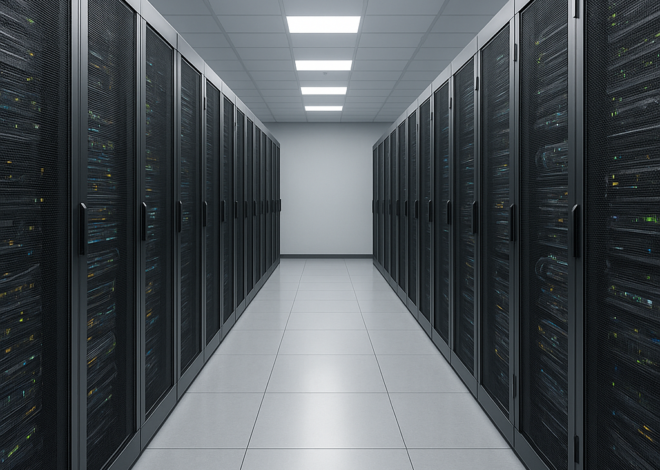
Data centers refer to specialized facilities that house servers, storage devices, and networking equipment necessary for processing, storing, and managing data. They play a crucial role in the operations of businesses, cloud services, and digital platforms. With the increasing reliance on technology, the demand for data centers has surged, necessitating discussions about their environmental impact, community implications, and governance.
Why This Matters Now
The recent midterm elections in Brooklyn have spotlighted data centers as a significant issue. As reported, nearly $200 billion in data center projects faced delays or opposition due to political and community pushback. This reflects a growing concern about the social and environmental ramifications of rapid data center development. Developers need to understand these dynamics, as they impact regulatory frameworks, community relations, and project feasibility.
Several states, including New York, are considering more stringent regulations for data centers. This trend is driven by a combination of public concern over transparency, environmental sustainability, and the tech industry’s influence on local economies. Developers must adapt to this evolving landscape to ensure project success and community acceptance.
Technical Deep Dive
Understanding the technical aspects of data centers is essential for developers aiming to navigate the complexities of modern infrastructure. Below, we explore key components and considerations when planning a data center project:
- Infrastructure Design: Data centers require careful planning regarding power supply, cooling systems, and redundancy.
- Network Architecture: Efficient data transfer relies on robust networking solutions, including switches and routers.
- Security Protocols: Implementing stringent security measures is crucial to protect sensitive data.
Here’s a practical example of a basic configuration for a data center network setup using nginx as a reverse proxy:
server {
    listen 80;
    server_name example.com;

    location / {
        proxy_pass http://backend_server;
        proxy_set_header Host $host;
        proxy_set_header X-Real-IP $remote_addr;
        proxy_set_header X-Forwarded-For $proxy_add_x_forwarded_for;
    }
}
This setup allows for efficient traffic management and improves security by obfuscating backend server details. Developers should consider such configurations to optimize their data center operations.
Real-World Applications
1. Cloud Service Providers
Leading cloud platforms like AWS and Azure rely heavily on data centers to deliver services globally. Developers can leverage these platforms to build scalable applications and services.
2. Financial Sector
Data centers are crucial for financial institutions, ensuring secure and rapid transactions. Developers in fintech need to understand compliance and security requirements associated with data center operations.
3. IoT and Edge Computing
The rise of IoT has prompted the development of edge computing solutions, where data processing occurs closer to the data source. This demands a new approach to data center design, focusing on latency and efficiency.
What This Means for Developers
Developers must adapt to the changing landscape surrounding data centers. Here are key considerations:
- Regulatory Awareness: Stay informed about local regulations affecting data center operations.
- Sustainable Practices: Implement environmentally friendly technologies in data center design.
- Community Engagement: Foster relationships with local communities to address concerns and build trust.
💡 Pro Insight: As we move towards a more tech-integrated society, effective communication between developers and local stakeholders will be essential. Building data centers that align with community values could redefine success in this sector.
Future of Data Centers (2025–2030)
In the next five years, data centers are expected to evolve significantly due to advancements in technology and shifting societal expectations. One prediction is the rise of modular data centers, which allow for flexible scaling and reduced environmental impact. This modularity will facilitate quicker deployments while addressing community concerns.
Additionally, the integration of renewable energy sources will likely become standard practice, as developers strive to meet sustainability goals. Adopting AI-driven management systems will enhance operational efficiency, enabling data centers to optimize resource usage and reduce costs.
Challenges & Limitations
1. Environmental Impact
The construction and operation of data centers can lead to significant carbon emissions and resource consumption. Developers must find ways to mitigate these effects through sustainable practices.
2. Regulatory Hurdles
As local governments impose stricter regulations, navigating these requirements can become complex. Developers need to stay ahead of legislative changes to ensure compliance.
3. Community Resistance
Public opposition can stall or block projects, emphasizing the need for effective communication and engagement strategies.
Key Takeaways
- Data centers are increasingly viewed as critical issues in local politics.
- Developers must understand the regulatory landscape surrounding data centers.
- Community engagement is essential for successful data center projects.
- Adopting sustainable practices is becoming a necessity for data center design.
- The future of data centers will likely involve modular designs and renewable energy integration.
Frequently Asked Questions
What are data centers used for?
Data centers are used for storing, processing, and managing data for various applications, including cloud services, financial transactions, and content delivery.
Why are data centers becoming a political issue?
Data centers raise concerns about environmental impact, community displacement, and the influence of tech companies, making them a focal point in local governance discussions.
How can developers ensure compliance with data center regulations?
Developers should remain informed about local laws and engage with community stakeholders to navigate regulatory challenges effectively.
For more insights into AI and cloud computing, follow KnowLatest for the latest updates.