AI Compute Campuses: The Future of Data Centers
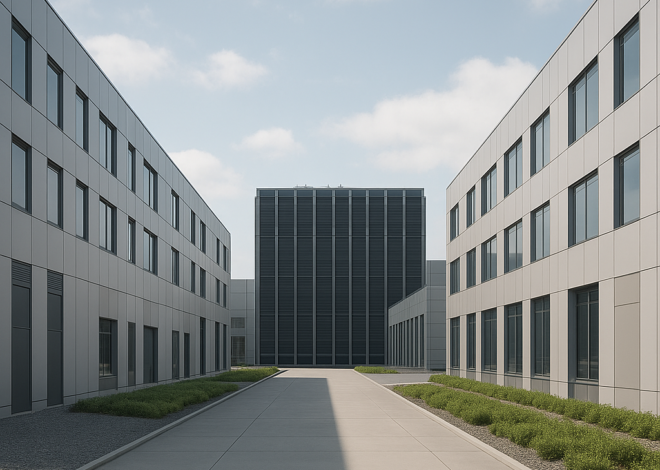
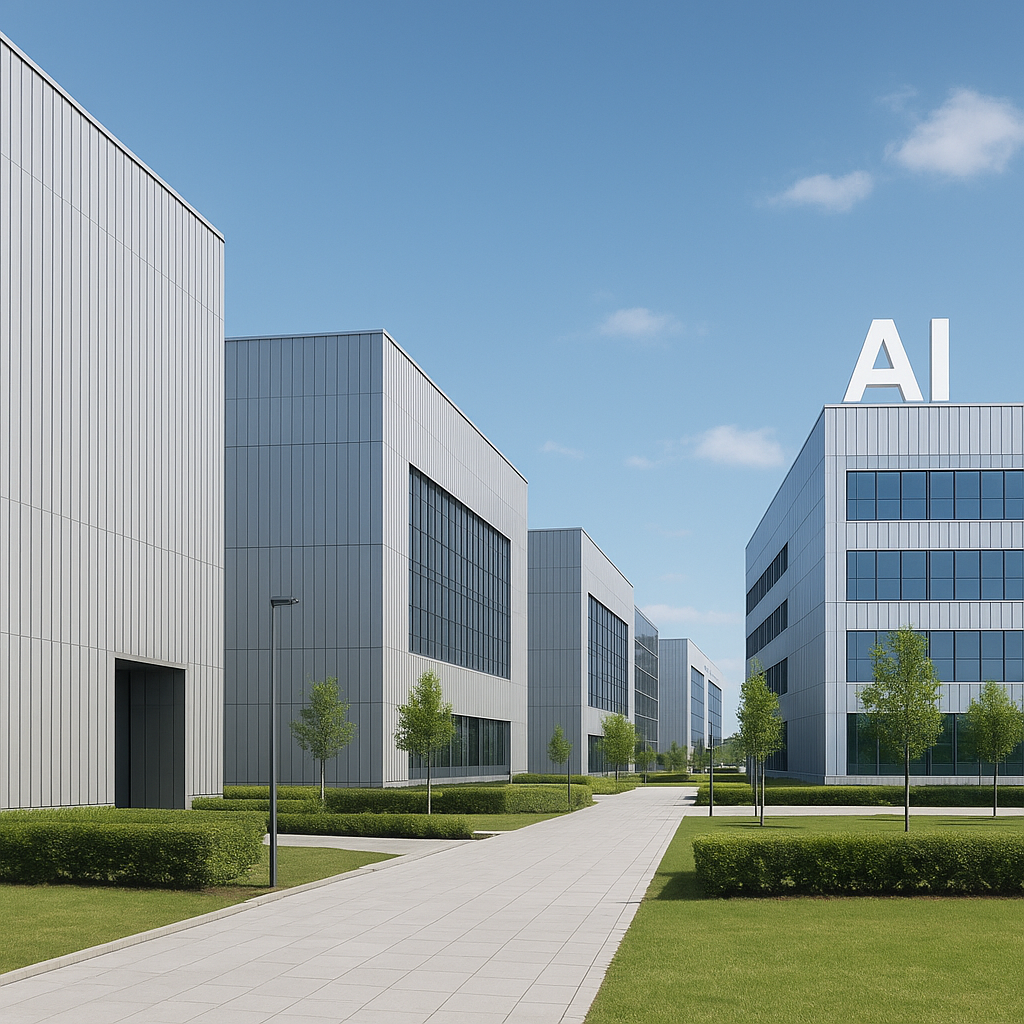
AI compute campuses refer to advanced facilities dedicated to artificial intelligence infrastructure, aimed at optimizing data processing and computational needs. Recently, OpenAI proposed rebranding traditional data centers as “AI compute campuses” to improve public perception. This article will explore the implications of this rebranding, its significance for developers, and what it means for the future of AI infrastructure.
What Is AI Compute Campus?
AI compute campuses are specialized data centers designed for the unique requirements of artificial intelligence workloads. These facilities provide the necessary infrastructure to support machine learning, data analytics, and AI model training at scale. The shift to this terminology aims to reshape public perception and reflects a growing focus on the transformative potential of AI technologies.
Why This Matters Now
The rebranding of data centers as AI compute campuses comes at a pivotal time as AI technologies become increasingly integrated into various sectors. As noted by Chris Lehane, OpenAI’s Chief Global Affairs Officer, the ongoing discussion about AI’s role in society is crucial, especially in the context of upcoming elections where AI policy will be a key issue. This shift could also impact how communities engage with tech companies, ensuring they derive tangible benefits from AI infrastructure projects.
- AI’s growing influence in public policy and governance.
- Heightened community scrutiny over AI-related projects.
- Increased demand for transparency and accountability from tech companies.
Technical Deep Dive
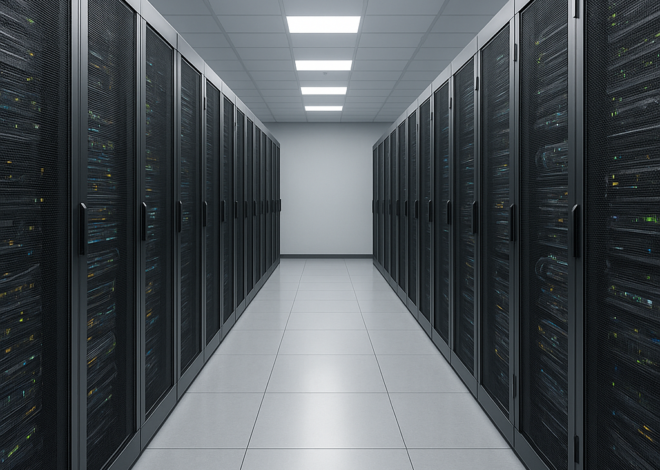
Understanding the infrastructure behind AI compute campuses is essential for developers. These facilities are built with high-performance computing in mind, utilizing specialized hardware such as GPUs and TPUs. Below is a comparison of typical components found in traditional data centers versus AI compute campuses.
| Feature | Traditional Data Centers | AI Compute Campuses |
|---|---|---|
| Infrastructure Type | General-purpose servers | High-performance GPUs/TPUs |
| Cooling Systems | Standard cooling | Advanced liquid cooling |
| Networking | Standard Ethernet | High-speed interconnects |
| Power Management | Basic redundancy | Advanced power management systems |
Developers working with AI compute campuses will need to adapt to several new paradigms:
- Optimizing for Parallel Processing: AI workloads often require extensive parallel processing capabilities, necessitating a focus on multi-threading and batch processing.
- Utilizing Containerization: Tools like Docker and Kubernetes will be vital for deploying AI models efficiently across distributed environments.
- Implementing Advanced Monitoring: Systems need to be in place to monitor performance metrics specific to AI workloads, including GPU usage and memory utilization.
Real-World Applications
1. Healthcare
AI compute campuses can revolutionize healthcare by enabling real-time data analysis from patient records, imaging, and genetic data, leading to more personalized treatment plans.
2. Autonomous Vehicles
In the automotive industry, AI compute campuses are critical for processing vast amounts of sensor data, allowing for safer and more efficient autonomous driving algorithms.
3. Financial Services
Financial institutions leverage AI compute campuses to analyze transaction data and predict market trends, enhancing decision-making and risk management.
4. Smart Cities
AI compute campuses support smart city initiatives by processing data from IoT devices, improving urban planning, traffic management, and energy efficiency.
What This Means for Developers
As AI compute campuses become more prevalent, developers should prioritize learning about AI-specific infrastructure and optimization techniques. Key areas to focus on include:
- Familiarity with AI framework libraries like TensorFlow and PyTorch.
- Understanding of distributed computing principles and architectures.
- Proficiency in container orchestration tools to manage AI workloads effectively.
💡 Pro Insight: The shift to AI compute campuses represents a significant paradigm change in how data centers function. As developers, embracing this change will be key to staying competitive in an AI-driven landscape.
Future of AI Compute Campuses (2025–2030)
Looking ahead, the concept of AI compute campuses is likely to evolve significantly. By 2025, we can expect to see greater integration of edge computing capabilities, allowing for real-time processing closer to data sources. This will be crucial for applications like smart cities and autonomous vehicles, where latency is a critical factor.
Furthermore, as AI technologies advance, we will see an increased focus on sustainability within AI compute campuses. Energy-efficient designs and renewable energy sources will become standard, catering to the growing demand for environmentally responsible AI solutions. This approach not only reduces costs but also addresses public concerns regarding the environmental impact of data centers.
Challenges & Limitations
1. High Initial Investment
Transitioning to AI compute campuses requires substantial upfront investment in specialized hardware and infrastructure, which may deter smaller companies.
2. Skills Gap
There exists a significant skills gap in the workforce regarding the deployment and management of AI solutions, necessitating extensive training and education programs.
3. Regulatory Hurdles
As AI technologies evolve, so too will the regulatory landscape. Companies must navigate complex regulations that may vary by region, impacting the deployment of AI compute campuses.
4. Public Perception
Despite rebranding, public skepticism around data centers persists. Companies will need to actively engage with communities to demonstrate the benefits of AI compute campuses.
Key Takeaways
- AI compute campuses represent a new paradigm in data center design focused on AI workloads.
- The rebranding aims to improve public perceptions and facilitate community engagement.
- Developers must adapt to new infrastructure paradigms and focus on skills related to AI optimization.
- Future trends include integration of edge computing and sustainability measures.
- Challenges exist, including high costs, regulatory complexities, and skills shortages.
Frequently Asked Questions
What are AI compute campuses?
AI compute campuses are specialized facilities designed to support the unique computational needs of artificial intelligence workloads, optimizing infrastructure for performance and efficiency.
How do AI compute campuses differ from traditional data centers?
Unlike traditional data centers, AI compute campuses utilize high-performance GPUs and TPUs, advanced cooling systems, and optimized networking to handle AI workloads more effectively.
Why is the rebranding of data centers important?
The rebranding is significant as it aims to reshape public perception, improve community engagement, and highlight the transformative potential of AI technologies.
For more insights on AI and developer news, follow KnowLatest for the latest updates in technology.