
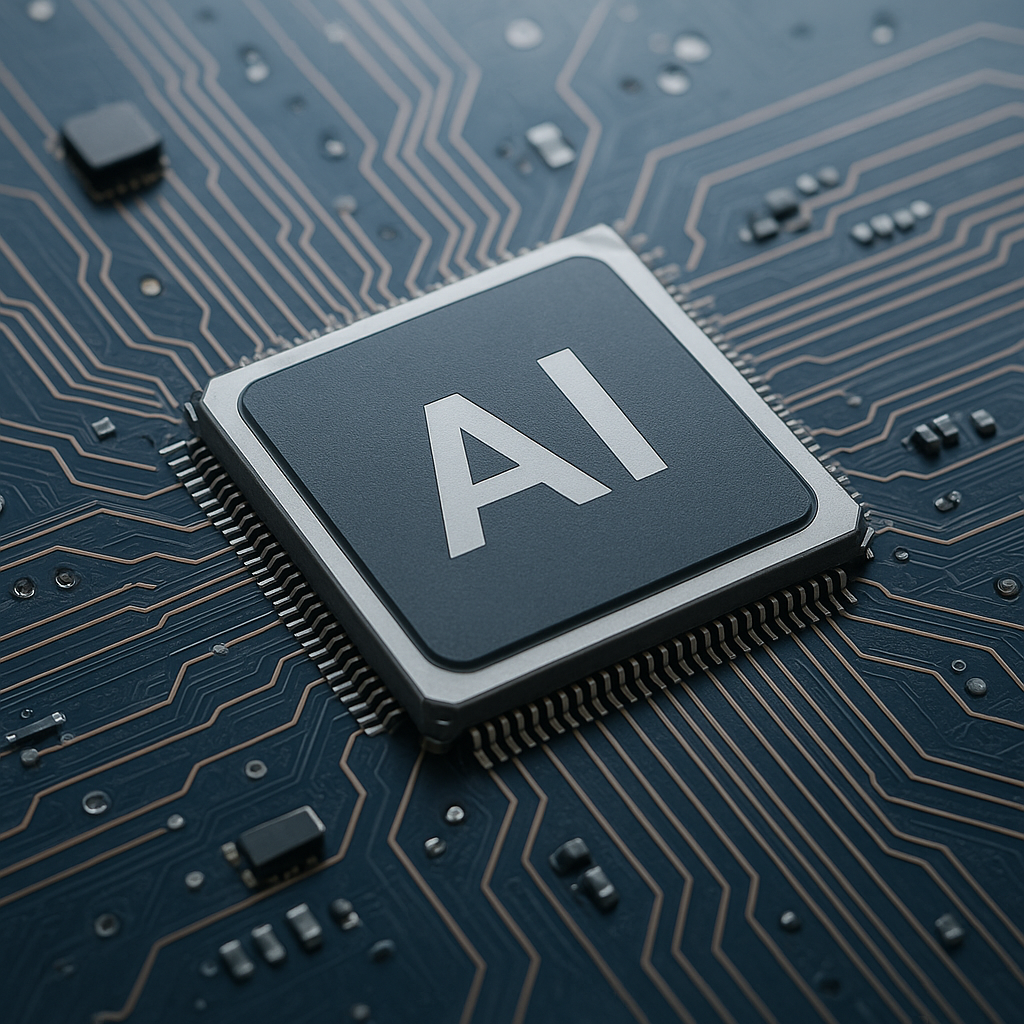
AI Chip Technology: Implications of Etched’s $5B Valuation
AI chip technology refers to specialized hardware designed to accelerate artificial intelligence processes, particularly those related to machine learning and inference tasks. Etched, a new competitor in this space, recently announced its $5 billion valuation and $1 billion in booked sales for its AI inference systems. This article explores the implications of Etched’s advancements for developers and the AI landscape.
What Is AI Chip Technology?
AI chip technology refers to the development and use of specialized processors designed to handle AI workloads, particularly for tasks such as machine learning inference. These chips are optimized for high-speed processing and energy efficiency, making them crucial for applications that require real-time data analysis. With companies like Etched booking significant sales in AI inference systems, this technology is rapidly advancing and reshaping how AI models are deployed and utilized.
Why This Matters Now
The AI landscape is evolving, with increasing demand for efficient inference solutions. Etched’s announcement of a $1 billion in sales underlines the urgent need for faster, more economical processing of AI models. As traditional systems struggle with the bottlenecks associated with inference tasks, developers are keenly interested in solutions that promise to alleviate these pressures. The recent surge in investment in AI chip technologies highlights the growing significance of this sector.
Technical Deep Dive
Etched’s frontier inference clusters consist of advanced chips, custom racks, and integrated software designed to optimize AI model performance. Here’s a deeper look at the architecture and operational mechanics:
- Chip Architecture: The chips are designed with parallel processing capabilities, enabling simultaneous execution of multiple tasks, crucial for real-time AI inference.
- Custom Racks: These racks house the chips and are engineered for efficient thermal management and power distribution, enhancing performance and reliability.
- Software Integration: The software layer optimizes model deployment and resource allocation, ensuring that the chips operate at peak efficiency.
# Sample Python code to utilize Etched's AI chip for inference
import numpy as np
from etched_sdk import EtchedModel

# Initialize the model
model = EtchedModel(model_path='path/to/model')

# Run inference
data = np.random.rand(1, 224, 224, 3)  # Example input
predictions = model.predict(data)
print(predictions)
Etched claims that their systems can deliver faster inference times and reduced operational costs compared to existing solutions. With a focus on power efficiency, these systems are particularly appealing for enterprises looking to scale their AI capabilities without incurring excessive costs.
Real-World Applications
1. Cloud Service Providers
Companies like Amazon and Google can leverage Etched’s technology to enhance their AI-driven services, such as natural language processing and image recognition.
2. Autonomous Vehicles
Manufacturers in the automotive industry can implement these chips to improve real-time decision-making capabilities in self-driving cars, enhancing safety and efficiency.
3. Healthcare Analytics
Healthcare providers can utilize AI chip technology to analyze vast amounts of patient data quickly, supporting better diagnostics and personalized treatment plans.
4. Financial Services
In the finance sector, rapid processing capabilities can lead to improved fraud detection and risk assessment, enabling organizations to respond more swiftly to potential threats.
What This Means for Developers
As AI chip technology continues to evolve, developers will need to adapt their skills and tools accordingly. Here are key areas to focus on:
- Familiarity with Specialized Hardware: Understanding how to optimize applications for AI chips will become increasingly important.
- Integration with Existing Frameworks: Developers should learn how to integrate these chips with popular machine learning frameworks like TensorFlow and PyTorch.
- Performance Benchmarking: Skills in benchmarking and optimizing code for performance on new hardware will be crucial.
💡 Pro Insight: As AI applications become more sophisticated, the demand for specialized processing will only grow. Developers who invest in understanding AI chip architectures will be better positioned to create scalable, efficient solutions.
Future of AI Chip Technology (2025–2030)
Looking ahead, the AI chip market is expected to experience substantial growth. By 2030, we may see:
- Increased Customization: More companies will develop tailored AI chips to meet specific industry needs, enhancing performance and efficiency.
- Wider Adoption: As costs decrease, smaller enterprises will start adopting these technologies, broadening the market.
- Enhanced Integration: AI chips will become integral to IoT devices, driving innovations in smart homes and cities.
The competition will also likely intensify, with established tech giants and startups vying for market share, leading to rapid advancements in chip capabilities.
Challenges & Limitations
1. High Development Costs
Developing specialized chips can be expensive, requiring significant investment in research and development, which may limit market entry for new players.
2. Skill Gaps
There is a growing need for engineers skilled in hardware-software integration, posing a challenge for many organizations trying to adopt AI chip technology.
3. Market Volatility
The AI chip market can be volatile, influenced by rapid technological advancements and shifting consumer demands, making long-term planning difficult.
4. Performance Optimization
Ensuring that software fully leverages the capabilities of new AI chips can be a complex task, requiring ongoing optimization and updates.
Key Takeaways
- AI chip technology is essential for optimizing inference tasks in AI applications.
- Etched has secured significant funding and sales, highlighting growing investor interest in specialized AI hardware.
- Real-world applications span various industries, from healthcare to finance.
- Developers need to adapt by learning about hardware integration and optimization techniques.
- The future of AI chips looks promising, with potential for widespread adoption and customization.
Frequently Asked Questions
What is the significance of AI chip technology?
AI chip technology is crucial because it enables faster and more efficient processing of AI workloads, particularly for inference tasks, which are often bottlenecks in AI applications.
How does Etched compare to Nvidia?
Etched focuses on specialized AI chips designed for inference, promising improved performance and cost savings, while Nvidia’s products are more general-purpose GPUs that cater to a broader range of applications.
What industries can benefit from AI chips?
Industries such as healthcare, automotive, finance, and cloud services can significantly benefit from AI chips, as they enhance data processing speeds and operational efficiencies.
Stay informed about the latest advancements in AI and technology by following KnowLatest for more insights.


