
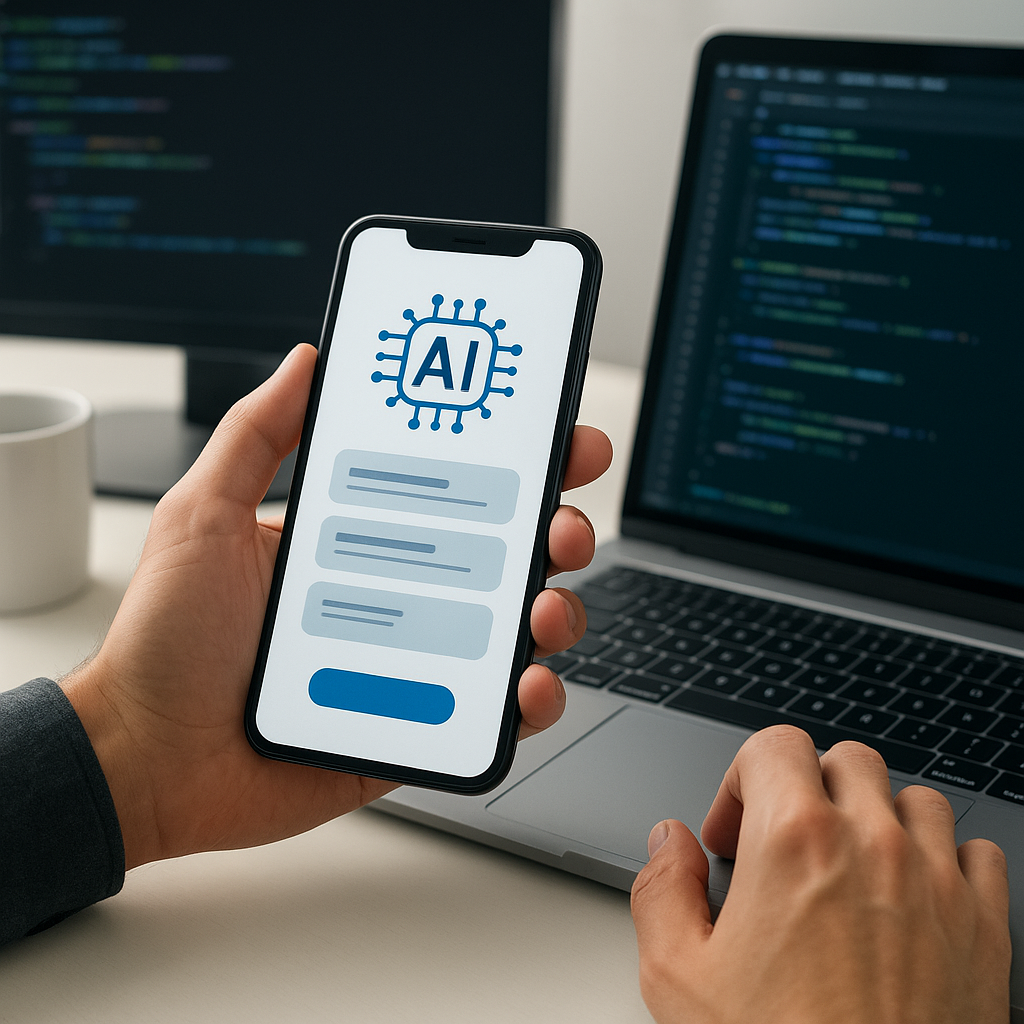
AI Era App Development: Innovating in a Saturated Market
App development in the AI era has become a dynamic and innovative landscape, defying predictions that traditional applications would become obsolete. The recent surge in app launches demonstrates that developers are leveraging new tools and methodologies to create engaging software experiences. In this post, we’ll explore how developers can thrive in this environment, highlighting key trends and practical applications.
What Is AI Era App Development?
AI era app development refers to the creation and deployment of software applications enhanced by artificial intelligence technologies. This approach allows developers to build applications that can adapt, learn, and provide personalized experiences for users. As reported by TechCrunch, the app landscape is thriving, with new releases increasing significantly, showcasing the resilience and adaptability of developers in this evolving environment.
Why This Matters Now
The current landscape of app development is driven by a surge in new technologies, including AI-driven tools that facilitate faster coding and deployment. According to reports, new app launches have increased by 60% year-over-year in 2026, with the Apple App Store seeing an even higher 80% increase. This trend highlights a unique opportunity for developers to tap into creative and innovative applications that stand out in a crowded market. Developers must adapt to these changes and embrace AI tools to stay competitive.
Technical Deep Dive
To effectively harness AI in app development, developers should focus on several key components:
- AI Integration: Utilize APIs and libraries such as TensorFlow or PyTorch to integrate machine learning functionalities into applications.
- App Frameworks: Leverage frameworks like React Native or Flutter for cross-platform development, enabling faster deployment.
- Version Control: Implement Git for tracking changes and collaboration among team members, ensuring code quality and maintainability.
Here’s a simple example of integrating a basic machine learning model using scikit-learn in Python:
from sklearn.model_selection import train_test_split
from sklearn.ensemble import RandomForestClassifier
from sklearn.metrics import accuracy_score

# Sample dataset
X = [[1, 2], [2, 3], [3, 4], [4, 5]]
y = [0, 0, 1, 1]

# Train-test split
X_train, X_test, y_train, y_test = train_test_split(X, y, test_size=0.2)

# Model training
model = RandomForestClassifier()
model.fit(X_train, y_train)

# Prediction
predictions = model.predict(X_test)

# Accuracy
print("Accuracy:", accuracy_score(y_test, predictions))
This snippet demonstrates how to create a simple machine learning model that can be integrated into an app for predictive analytics. By employing AI techniques, developers can enhance their applications with features like personalized recommendations or automated responses.
Real-World Applications
1. Bookmarking Tools
Apps like Albo enable users to save content from various social media platforms. By leveraging AI, Albo categorizes and retains links even if original content is deleted, ensuring users have a reliable repository for inspiration and ideas.
2. Local Marketplaces
Using platforms like Coop, developers can create localized marketplaces that connect consumers with nearby sellers. This not only fosters local commerce but also supports community engagement, powered by AI to optimize listings based on user preferences.
3. Digital Companionship
Applications that act as digital pen pals offer users a unique form of interaction, utilizing AI to create engaging dialogues that feel personal and immersive, enhancing user experience.
4. Nature Journals
Developers can create apps that encourage users to document their encounters with nature, using AI to analyze entries and provide insights or suggestions for future outdoor activities.
What This Means for Developers
As the app landscape evolves, developers should hone their skills in AI integration and explore new methodologies. Consider adopting the following:
- Learn AI Frameworks: Familiarize yourself with frameworks like TensorFlow and PyTorch to enhance your applications.
- Explore No-Code Solutions: Investigate platforms that allow for AI integration without extensive coding knowledge, enabling rapid prototyping.
- Focus on User Experience: Ensure that applications are user-friendly to stand out in a saturated market.
💡 Pro Insight
💡 Pro Insight: The rise of AI-driven development tools will not only accelerate the pace at which apps are built but will also democratize app development, allowing non-developers to contribute creatively. As the App Store becomes more populated with innovative solutions, developers must focus on unique value propositions to capture user attention.
Future of AI Era App Development (2025–2030)
Looking ahead, the future of app development will likely emphasize even greater integration of AI technologies. Developers can expect:
- Increased Personalization: Apps will become increasingly tailored to individual user preferences, leveraging machine learning to create custom experiences.
- Enhanced Collaboration Tools: As remote work continues to rise, more collaborative development platforms will emerge, integrating AI to streamline workflows.
- Focus on Sustainability: Apps that promote eco-friendly practices and community engagement are expected to gain popularity, driven by AI analytics.
These trends will shape the way developers create and maintain applications, pushing the boundaries of what’s possible in software development.
Challenges & Limitations
Quality Control
The influx of new apps raises concerns about quality, as many may lack the polish of established applications. Developers must focus on maintaining high standards to stand out.
AI Dependency
Over-reliance on AI tools can lead to a lack of original thought and creativity in app design. Striking a balance between AI assistance and human ingenuity is crucial.
Market Saturation
As more developers enter the space, competition becomes fierce. Innovating and finding niche markets will be essential for success.
Data Privacy Concerns
With AI applications relying heavily on user data, developers must prioritize data privacy and security to build trust with users.
Key Takeaways
- AI era app development is thriving, with significant increases in new app launches.
- AI integration enables developers to create personalized and dynamic user experiences.
- Real-world applications of AI range from local marketplaces to digital companionship.
- Developers must focus on quality and creativity to stand out in a crowded market.
- Future developments will emphasize sustainability and enhanced collaboration tools.
Frequently Asked Questions
What is AI in app development? AI in app development refers to the use of artificial intelligence technologies to create applications that can learn, adapt, and provide personalized user experiences.
How are developers leveraging AI today? Developers are using AI for predictive analytics, user personalization, and improving user engagement in various applications.
What challenges do developers face in the AI era? Key challenges include maintaining quality control, navigating market saturation, and addressing data privacy concerns.
For more insights on AI tools and developer news, be sure to follow KnowLatest for updates.


