AI-Powered Game Creation: Roblox’s Innovative Build Feature
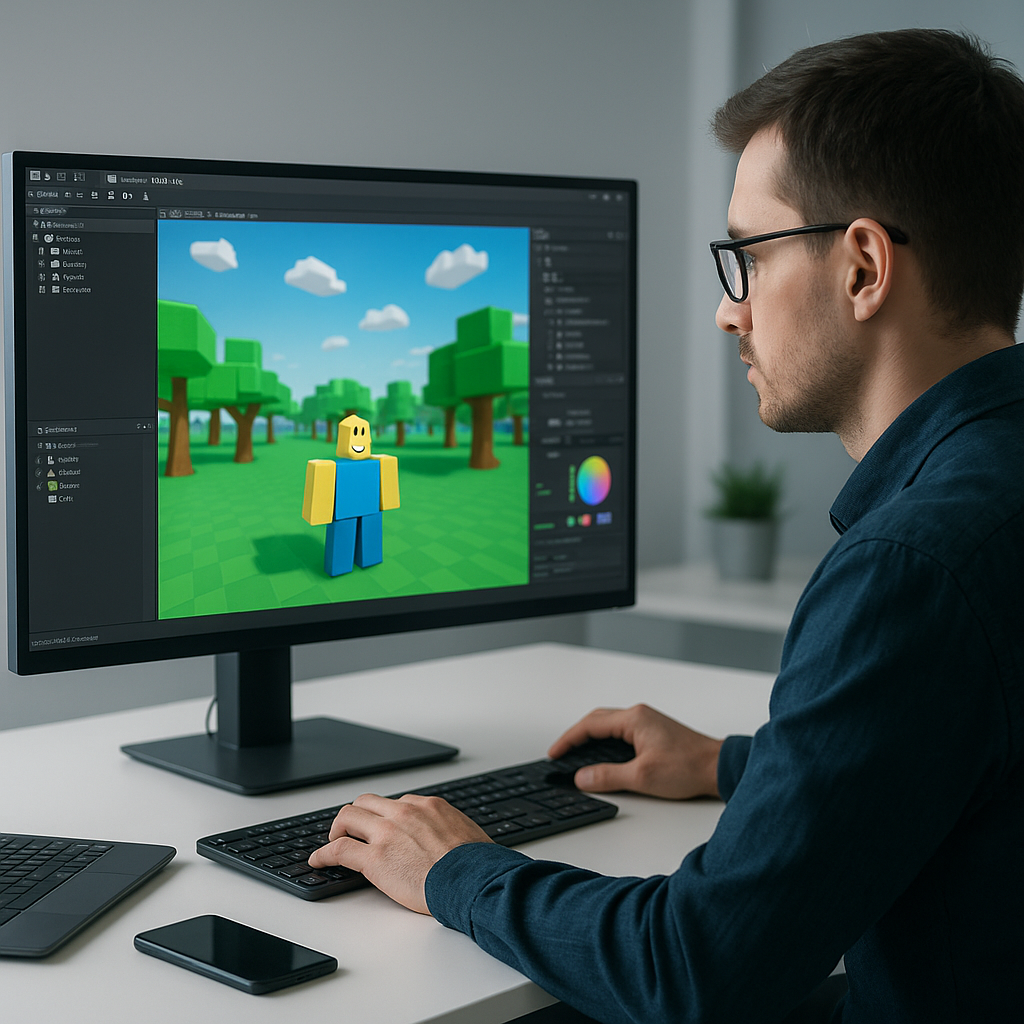
AI-powered game creation refers to the use of artificial intelligence technologies to facilitate the development of video games through user-friendly interfaces. Recently, Roblox launched a new feature called “Build,” enabling users to generate basic games using simple text prompts. In this article, we will explore how this feature impacts game development and the implications for developers in the gaming industry.
What Is AI-Powered Game Creation?
AI-powered game creation refers to the process of using artificial intelligence algorithms and models to assist users in developing video games, often through intuitive interfaces. This technology allows individuals without programming knowledge to create games by providing simple textual descriptions. Roblox’s new “Build” feature exemplifies this, enabling users to generate game prototypes from straightforward prompts.
Why This Matters Now
The advent of AI in game development is transforming how games are created, enabling accessibility for a broader audience. As seen in Roblox’s recent launch of the “Build” feature, users can generate games effortlessly, which significantly lowers the entry barrier to game development. This shift is crucial as it aligns with the growing trend of democratizing technology and making game design more inclusive. However, it also raises concerns about the quality and originality of games, as many industry professionals believe generative AI could negatively impact creative integrity within the gaming landscape. For example, a recent survey conducted at the Game Developer Conference revealed that 52% of game industry professionals feel that generative AI is detrimental to the industry. This sentiment highlights the fine balance between innovation and maintaining quality standards in game design.
Technical Deep Dive
Roblox’s “Build” feature integrates various AI models, both proprietary and open-source, to generate game content based on user-defined prompts. Here’s a breakdown of how this feature works:
- Input Processing: Users provide a text prompt describing the game they wish to create. For example, “Let’s make a cozy adventure game set in a dense forest.”
- AI Model Utilization: The system employs advanced models to interpret the prompt and generate game elements such as characters, environments, and gameplay mechanics.
- Customization: After the initial game prototype is generated, users can modify various aspects, ensuring the final product aligns with their vision.
- Feedback Loop: The platform collects player feedback and retention data to rank AI-generated games. Games that do not engage players will not be prominently featured, maintaining quality on the platform.
To illustrate how to implement a simple AI model in a gaming context, consider the following Python example using a basic text generation approach:
import random

# Simple AI text generation for game elements
def generate_game_description(prompt):
    game_elements = [
        "adventure", "puzzle", "strategy", "action", "simulation"
    ]
    return f"Your game is a {random.choice(game_elements)} game where {prompt}."

# Example usage
user_prompt = "you explore ancient ruins"
print(generate_game_description(user_prompt))
This snippet demonstrates a basic approach to generating game descriptions based on user input, highlighting the potential for more complex implementations as AI technology advances.
Real-World Applications
1. Indie Game Development
Indie developers can leverage AI-powered tools like Roblox’s “Build” to create games rapidly without extensive programming skills. This allows them to prototype and iterate quickly, bringing innovative ideas to market faster.
2. Educational Tools
Educational platforms can utilize AI game creation as a teaching tool, enabling students to learn programming concepts through interactive game design. This hands-on approach can enhance engagement and understanding of computational thinking.
3. Content Creation for Established Games
Game studios can integrate AI tools to streamline the content creation process, such as generating new levels or characters based on predefined parameters, thus reducing development time and costs.
4. Community Engagement
AI-generated content can foster community engagement by allowing players to create and share their own game experiences. This encourages a more active user base and extends the longevity of games.
What This Means for Developers
Developers should embrace AI-powered game creation tools as a means to enhance productivity and creativity. Here are actionable insights for developers:
- Explore AI tools like Roblox’s “Build” to understand their capabilities and limitations.
- Invest time in learning how to combine traditional game development skills with AI technologies.
- Consider the ethical implications of AI in game design, ensuring that quality and originality remain priorities.
- Participate in communities that focus on AI in gaming to stay updated on industry trends and best practices.
💡 Pro Insight: The rise of AI in game development represents not just a technological shift but a cultural one, pushing creators to rethink what it means to design and share interactive experiences. As this landscape evolves, developers who adapt quickly will find themselves at the forefront of a new era in gaming.
Future of AI-Powered Game Creation (2025–2030)
Looking ahead, the future of AI-powered game creation appears promising. By 2025, we can expect significant advancements in natural language processing and machine learning algorithms, allowing for even more sophisticated game generation capabilities. Developers will likely see tools that not only generate game assets but also adapt gameplay mechanics in real-time based on player behavior and preferences. This level of personalization will enhance user engagement and redefine player experiences.
Moreover, as AI models become more refined, we may witness a shift toward collaborative game development, where AI and human designers jointly create content. This synergistic approach could lead to a new genre of interactive storytelling, where narratives evolve based on player choices, creating a dynamic and immersive gaming environment.
Challenges & Limitations
Quality Control
The influx of AI-generated content raises concerns about maintaining quality standards. As developers face increased competition from automated tools, ensuring that original, high-quality games stand out becomes paramount.
Creative Integrity
Relying heavily on AI for game development could compromise the creative process, leading to homogenized content that lacks uniqueness. Developers must balance the use of AI tools with their creative instincts.
Technical Barriers
While AI tools lower entry barriers, there remains a learning curve for developers to understand and effectively use these technologies. Continuous education and upskilling will be essential for success.
Market Saturation
The ease of creating games with AI might lead to market saturation, making it challenging for new titles to gain visibility. Developers will need to implement effective marketing strategies to stand out in a crowded marketplace.
Key Takeaways
- AI-powered game creation democratizes game development, making it accessible to non-programmers.
- Roblox’s “Build” feature exemplifies the potential of generative AI in the gaming landscape.
- Developers must adapt to the changing environment by embracing AI tools while maintaining quality and originality.
- Future advancements in AI may lead to unprecedented levels of personalization in gaming experiences.
- Quality control and creative integrity remain critical challenges as AI-driven content grows.
Frequently Asked Questions
What is AI-powered game creation?
AI-powered game creation uses artificial intelligence to help users develop video games through intuitive interfaces, often requiring no programming skills.
How does Roblox’s “Build” feature work?
Roblox’s “Build” feature allows users to generate game prototypes from text prompts, utilizing various AI models to create game elements that can be customized further.
What are the benefits of AI in game development?
AI in game development can streamline the creation process, lower entry barriers for developers, and foster innovation through new tools and collaborative approaches.
Stay updated with the latest advancements in AI and game development by following KnowLatest for more insights and news.