AI Video Generation: Google Vids and Personalized Avatars
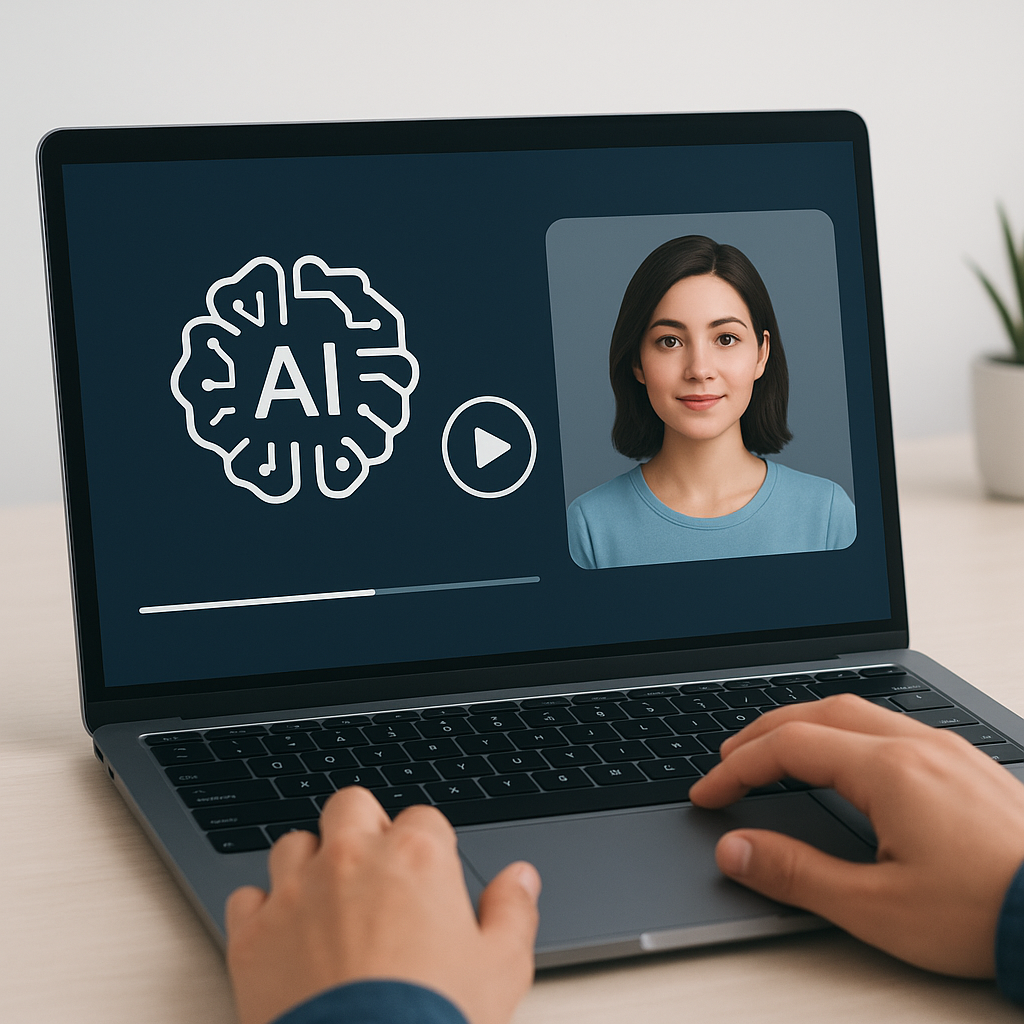
AI video generation is revolutionizing content creation by allowing users to star in their own videos through personalized digital avatars. Recently, Google announced enhancements to its platform, Google Vids, which now enables users to create AI-generated videos featuring a digital version of themselves. This post will delve into how these advancements can benefit developers and content creators alike.
What Is AI Video Generation?
AI video generation refers to the process of creating videos using artificial intelligence to automate and customize video content. This technology enables users to produce videos that feature digital avatars based on their likeness, voice, and preferences. With the recent updates to Google Vids, users can leverage AI tools to create engaging video content seamlessly.
Why This Matters Now
As the demand for personalized content grows, AI video generation tools are becoming essential for content creators, marketers, and educators. Google’s enhancements to Vids, including the integration of Gemini Omni, allow for intuitive video creation through simple prompts and reference images. This shift positions Vids as a versatile platform for both personal and professional use, enabling users to generate tailored video content quickly. Developers should care about this trend as it may redefine content creation workflows and introduce new opportunities for engagement.
Technical Deep Dive
Google Vids utilizes the Gemini Omni model, a multi-modal AI framework, to generate personalized video content. Here’s a breakdown of how it works:
- User Input: Users upload a selfie and a voice recording to create a digital avatar.
- Content Generation: By providing a written prompt and reference images, the AI mixes these inputs to produce a video.
- Editing Capabilities: Users can make step-by-step edits, changing backgrounds, adjusting lighting, or adding effects without restarting the project.
Here’s an example of how to implement a simple video generation using Python and a hypothetical API for Gemini Omni:
import requests

def create_video(prompt, selfie_path, audio_path):
    url = 'https://api.google.com/gemini/vids/create'
    files = {
        'selfie': open(selfie_path, 'rb'),
        'audio': open(audio_path, 'rb'),
    }
    data = {'prompt': prompt}

    response = requests.post(url, files=files, data=data)
    return response.json()

# Example usage
video_response = create_video("Create a video about AI advancements", "selfie.jpg", "voice.mp3")
print(video_response)
This code snippet demonstrates how developers can interact with the Google Vids API to create an AI-generated video using user inputs. Understanding such integrations allows developers to seamlessly add video generation capabilities into their applications.
Real-World Applications
1. Education and Training
In educational settings, teachers can create personalized video lectures featuring digital avatars of themselves to enhance student engagement.
2. Marketing and Promotion
Businesses can use AI-generated videos for personalized marketing campaigns, creating content that resonates with their target audiences.
3. Virtual Events
Companies can produce training and informational videos featuring digital avatars, offering a more relatable and engaging way to deliver content.
4. Social Media Content Creation
Content creators can generate unique videos for platforms like YouTube and TikTok, leveraging their digital avatars for brand consistency.
What This Means for Developers
For developers, the rise of AI video generation tools like Google Vids presents new opportunities and challenges. Here’s what to focus on:
- Learn about API integrations to implement video generation capabilities in applications.
- Explore the potential of AI to enhance user experiences in digital content creation.
- Stay updated on the ethical implications of using AI-generated content, including copyright and likeness issues.
💡 Pro Insight: The emergence of AI video generation tools is not just a trend; it’s a paradigm shift in how we create and consume content. As these tools evolve, we may see a future where personalized AI avatars become standard in communications across various industries.
Future of AI Video Generation (2025–2030)
Looking ahead, AI video generation is expected to become increasingly sophisticated. By 2025, we may witness advancements in real-time video generation with enhanced interactivity, enabling users to engage with their digital avatars more dynamically. Furthermore, by 2030, AI-generated content could become an integral part of everyday communication, with personalized avatars appearing in both corporate and social settings. This could lead to new standards in content creation and distribution.
Challenges & Limitations
1. Ethical Concerns
As AI-generated avatars become more prevalent, ethical issues surrounding likeness and consent will need to be addressed. Ensuring that users have control over their digital representations is critical.
2. Quality Control
The quality of AI-generated videos can vary significantly. Ensuring consistent quality across different inputs and scenarios may pose a challenge for developers.
3. User Accessibility
Current features may be limited to certain regions and age groups, which could restrict widespread adoption and usage.
4. Technical Limitations
While AI tools have improved, they still struggle with complex video edits and may require human oversight for high-quality results.
Key Takeaways
- AI video generation is transforming content creation by enabling personalized digital avatars.
- Google Vids now incorporates advanced tools like Gemini Omni for enhanced video generation.
- Developers should focus on API integrations and ethical considerations in AI content creation.
- Real-world applications span education, marketing, and virtual events.
- Future advancements may lead to more interactive and personalized video experiences.
Frequently Asked Questions
What is AI video generation?
AI video generation is the use of artificial intelligence to create videos automatically, allowing users to produce content featuring digital avatars based on their likeness and voice.
How can developers use Google Vids?
Developers can integrate Google Vids’ API to create applications that leverage AI video generation, enabling personalized content creation for users.
What are the ethical implications of using AI-generated avatars?
Ethical implications include concerns about likeness rights, consent, and the potential for misuse in creating misleading content.
To stay updated on AI advancements and tools like Google Vids, follow KnowLatest for the latest news and insights.